
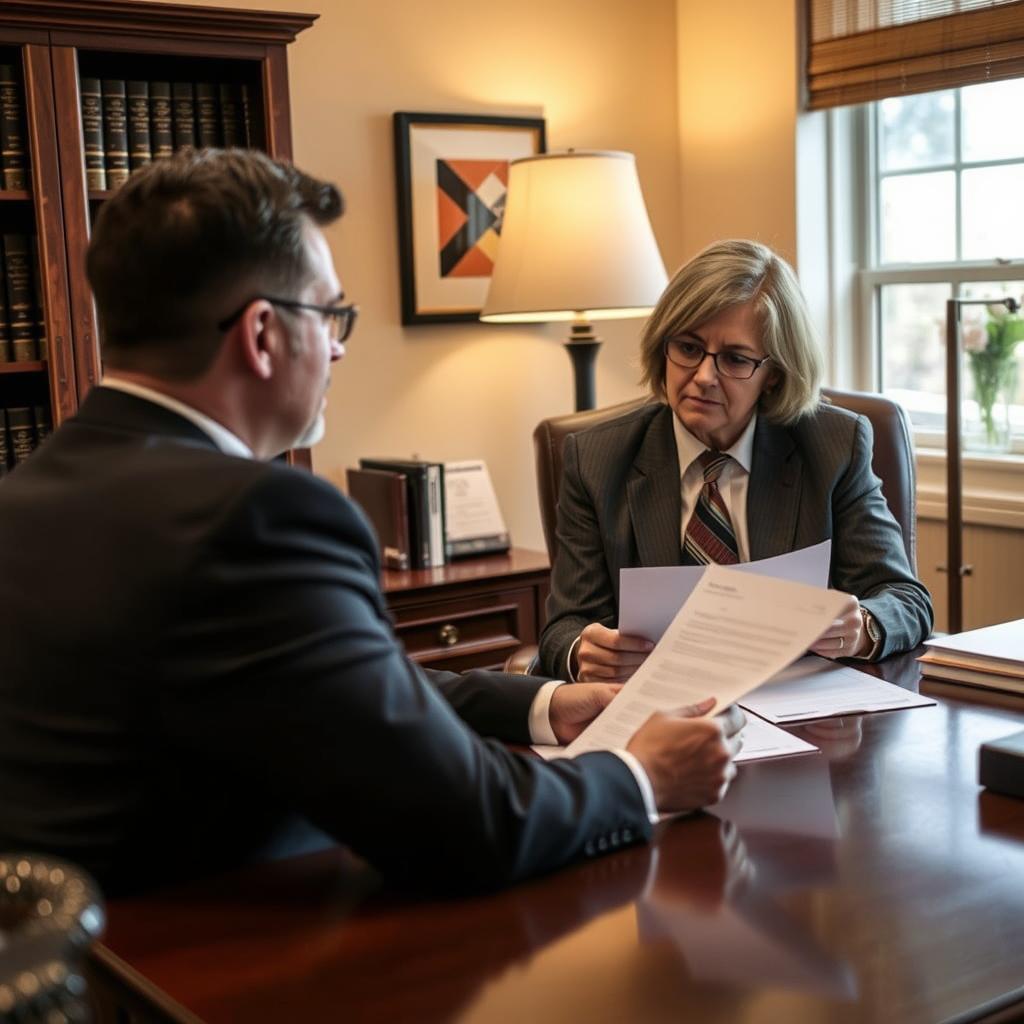
Estate Planning Lawyer Rappahannock County
An Estate Planning Lawyer Rappahannock County creates legal documents to manage your assets after death or incapacity. This includes wills, trusts, powers of attorney, and advance medical directives. Law Offices Of SRIS, P.C.—Advocacy Without Borders. provides this essential service. Proper planning prevents family disputes and court intervention. It ensures your wishes are followed in Rappahannock County. (Confirmed by SRIS, P.C.)
Statutory Definition of Estate Planning in Virginia
Estate planning in Virginia is governed by the Virginia Code, not a single criminal statute. The process involves drafting documents under Title 64.2 (Wills, Trusts, and Fiduciaries). A key statute is § 64.2-403, which defines the requirements for a valid will. Another is § 64.2-1603, governing durable powers of attorney. These laws provide the framework for transferring assets and making healthcare decisions. An Estate Planning Lawyer Rappahannock County uses these statutes to build your plan. They ensure your documents comply with Virginia law. Non-compliance can lead to probate disputes and family conflict. The goal is to avoid court supervision through proper planning.
Va. Code § 64.2-403 — Civil Statute — No Criminal Penalty. This statute sets the formalities for executing a valid will in Virginia. It requires the testator to be at least 18 years old and of sound mind. The will must be in writing and signed by the testator. It must also be signed by at least two competent witnesses present at the same time. A will not meeting these requirements may be declared invalid. This can force your estate into intestate succession. Intestacy means state law, not your wishes, distributes your property. An invalid will causes lengthy and expensive probate litigation. Your heirs must then prove your intent in Rappahannock County Circuit Court.
What legal documents are included in a basic estate plan?
A basic Virginia estate plan includes four core documents. The first is a Last Will and Testament. This document names an executor and directs asset distribution. The second is a Durable Financial Power of Attorney. It appoints an agent to manage finances if you become incapacitated. The third is an Advance Medical Directive. This combines a living will and healthcare power of attorney. The fourth is a Revocable Living Trust for some individuals. A trust can avoid probate for assets titled in its name. An Estate Planning Lawyer Rappahannock County drafts all these instruments. Each document serves a distinct and critical legal purpose.
How does Virginia law treat jointly owned property?
Virginia law presumes jointly owned property with rights of survivorship passes outside the will. Title 64.2 covers joint tenancy and tenancy by the entirety. Property held this way automatically transfers to the surviving owner upon death. This transfer occurs regardless of what your will states. It is a common point of confusion for Rappahannock County residents. A lawyer must review how your property is titled. Incorrect titling can undermine an otherwise solid estate plan. Your will does not control assets that pass by joint ownership or beneficiary designation.
What is the role of the Rappahannock County Commissioner of Accounts?
The Rappahannock County Commissioner of Accounts oversees fiduciaries during probate. This is a local official appointed by the Circuit Court judges. The Commissioner reviews inventories and annual accountings from executors and trustees. They ensure the fiduciary complies with Virginia law and the will’s terms. Failure to file proper accountings can result in court removal and surcharges. An experienced lawyer knows how to prepare filings for this Location. They ensure your executor avoids personal liability. Procedural specifics for Rappahannock County are reviewed during a Consultation by appointment at our Rappahannock County Location.
The Insider Procedural Edge in Rappahannock County
Estate matters in Rappahannock County are filed in the Rappahannock County Circuit Court. The address is 247 Gay Street, Washington, VA 22747. This court handles probate, will admissions, and trust accountings. The clerk’s Location is where you file the original will after death. Filing fees vary based on the estate’s value and the type of pleading. Local procedural rules require specific forms and notice to heirs. The court expects strict adherence to statutory timelines for creditor claims. A local lawyer knows the preferences of the presiding judges. They understand how to handle the unique pace of a rural court. This knowledge prevents unnecessary delays in administering your estate.
The Rappahannock County Circuit Court has a distinct procedural temperament. It is a smaller, rural court where local practice customs matter. The judges and clerks expect paperwork to be precise and complete. Missing a required signature or notarization will cause a rejection. Deadlines for publishing notices to creditors are strictly enforced. An executor unfamiliar with these rules can be personally liable for errors. Hiring a lawyer with local experience is not a luxury. It is a necessity for efficient estate administration. Our team provides thorough legal support for these matters. We prepare all documents to meet Rappahannock County’s specific standards.
What is the typical timeline for probate in Rappahannock County?
Informal probate in Rappahannock County can take nine to eighteen months. The executor must first qualify and be issued letters testamentary. They then have four months to file an inventory with the Commissioner of Accounts. Annual accountings are due each year until the estate closes. Creditors have one year from the date of death to file claims. The timeline extends if the will is contested or assets are complex. A thorough estate plan lawyer Rappahannock County can help minimize this duration. Proper planning with trusts may avoid probate entirely for some assets.
What are the court costs for probating a will?
Court costs include a probate tax and various clerk filing fees. Virginia’s probate tax is $1 per $1,000 of the probate estate’s value. There is also a state grantor’s tax on real estate transfers. Clerk fees for qualifying an executor and filing motions add several hundred dollars. The Commissioner of Accounts charges fees for reviewing accountings. These are typically a percentage of the estate assets they oversee. Total costs are often between $1,000 and $3,000 for a standard estate. Larger or contested estates incur significantly higher costs. A will and trust drafting lawyer Rappahannock County can provide a fee estimate.
Penalties & Defense Strategies for Planning Failures
The most common penalty for poor estate planning is family conflict and court supervision. Without a valid will, Virginia’s intestacy laws control asset distribution. This may give assets to relatives you did not intend to benefit. It can disinherit a partner or a close friend. Minor children may be placed under a court-appointed guardian. The court will decide who manages their inheritance. The process is public, slow, and often more expensive than proper planning. The “penalty” is loss of control, privacy, and family harmony. A will and trust drafting lawyer Rappahannock County prevents these outcomes.
| Planning Failure | Consequence | Notes |
|---|---|---|
| No Will (Intestacy) | Assets distributed per Va. Code § 64.2-200. | Spouse may get only 1/3 if there are children. |
| Invalid Will | Probate litigation; will contest. | Heirs must prove testamentary intent in court. |
| No Power of Attorney | Guardianship (Conservatorship) required. | Costly court process to appoint a financial agent. |
| No Advance Directive | Family disputes over medical care. | Doctors may follow unclear family consensus. |
| Improper Trust Funding | Trust fails; assets go through probate. | The trust document alone is not enough. |
[Insider Insight] Rappahannock County courts see frequent disputes over family farms and land. Without clear titles and directives, siblings often fight over inheritance. The local judges favor clear, unambiguous language in estate documents. They have little patience for poorly drafted instruments. Proactive planning with precise legal descriptions is critical. Our experienced legal team drafts documents to withstand these challenges.
How can a trust protect assets from probate?
A properly funded revocable living trust avoids the probate process entirely. Assets titled in the name of the trust bypass the Circuit Court. The successor trustee distributes assets per the trust terms privately. This saves time, court costs, and maintains family privacy. It is particularly useful for Rappahannock County residents with out-of-state property. A trust also provides a plan for management during incapacity. The settlor can be the initial trustee. This maintains full control over assets during their lifetime.
What happens if a will is contested in Rappahannock County?
A will contest initiates adversarial litigation in the Circuit Court. Heirs may allege lack of testamentary capacity or undue influence. The court will hold a trial to determine the will’s validity. This process can freeze estate assets for years. Legal fees can rapidly deplete the estate’s value. A well-drafted will includes clauses designed to deter contests. These are “no-contest” or “in terrorem” clauses. They disinherit any beneficiary who unsuccessfully challenges the will. An Estate Planning Lawyer Rappahannock County knows how to draft these protective provisions.
Why Hire SRIS, P.C. for Your Estate Plan
Our lead attorney for estate matters is a seasoned practitioner with deep Virginia knowledge. They understand the intersection of property law, tax implications, and family dynamics. SRIS, P.C. has handled numerous estate plans and administrations in Rappahannock County. We know the local court personnel and procedural nuances. Our approach is direct and focused on achieving your specific goals. We draft clear, enforceable documents that reflect your wishes. We also counsel executors and trustees through the administration process. Our goal is to provide peace of mind through solid legal preparation.
Attorney Background: Our primary estate planning attorney has over fifteen years of Virginia practice. They are a member of the Virginia State Bar. Their practice is dedicated to wills, trusts, and probate administration. They have drafted hundreds of estate plans for Rappahannock County residents. This includes complex plans involving farmland, businesses, and blended families. They regularly appear before the Rappahannock County Commissioner of Accounts. This hands-on experience is invaluable for creating practical, effective plans.
Choosing SRIS, P.C. means choosing a firm with a proven local record. We are not a high-volume document preparation service. We provide personalized counsel based on your unique asset profile and family situation. We take the time to explain how Virginia law applies to your case. We ensure you understand the function of each document we prepare. Our family law experience informs our planning for complex family structures. We prepare for potential disputes before they arise. Your plan is designed for the real world of Rappahannock County.
Localized Rappahannock County Estate Planning FAQs
Do I need a lawyer to make a will in Virginia?
Virginia law does not require a lawyer to make a will. However, a handwritten or online will often contains fatal errors. These mistakes can invalidate the entire document. A lawyer ensures your will meets all legal formalities. They also advise on tax and titling issues you may not consider.
What is the difference between a will and a living trust?
A will directs asset distribution after death and must go through probate court. A living trust holds assets during your life and avoids probate. You control the trust as trustee. A will names guardians for minor children; a trust does not. Most plans use both documents together for complete protection.
How often should I update my estate plan?
Review your estate plan every three to five years or after a major life event. This includes marriage, divorce, birth of a child, or a significant inheritance. Changes in Virginia law or your financial situation also warrant a review. An outdated plan can be as problematic as having no plan at all.
Who should I choose as my executor in Rappahannock County?
Choose someone trustworthy, organized, and who lives relatively close. The executor must work with the local Circuit Court and Commissioner of Accounts. They will need to manage paperwork and potentially sell property. Consider naming a professional if your family dynamics are complex or assets are substantial.
Does a power of attorney grant unlimited power to my agent?
No, a Virginia Durable Power of Attorney can be specific to grant specific powers. You can limit the agent’s authority to certain assets or transactions. The document should clearly state your intentions. A well-drafted power of attorney protects you from financial abuse while ensuring necessary management.
Proximity, CTA & Disclaimer
Our legal team serves clients throughout Rappahannock County. We understand the importance of local presence for estate planning. Procedural specifics for Rappahannock County are reviewed during a Consultation by appointment. We are familiar with the Rappahannock County Circuit Court and its requirements. Our focus is on providing effective, localized legal counsel for your future.
Consultation by appointment. Call 703-636-5417. 24/7.
Law Offices Of SRIS, P.C.
Advocacy Without Borders.
Main Location: 4103 Chain Bridge Road, Fairfax, VA 22030
Past results do not predict future outcomes.