
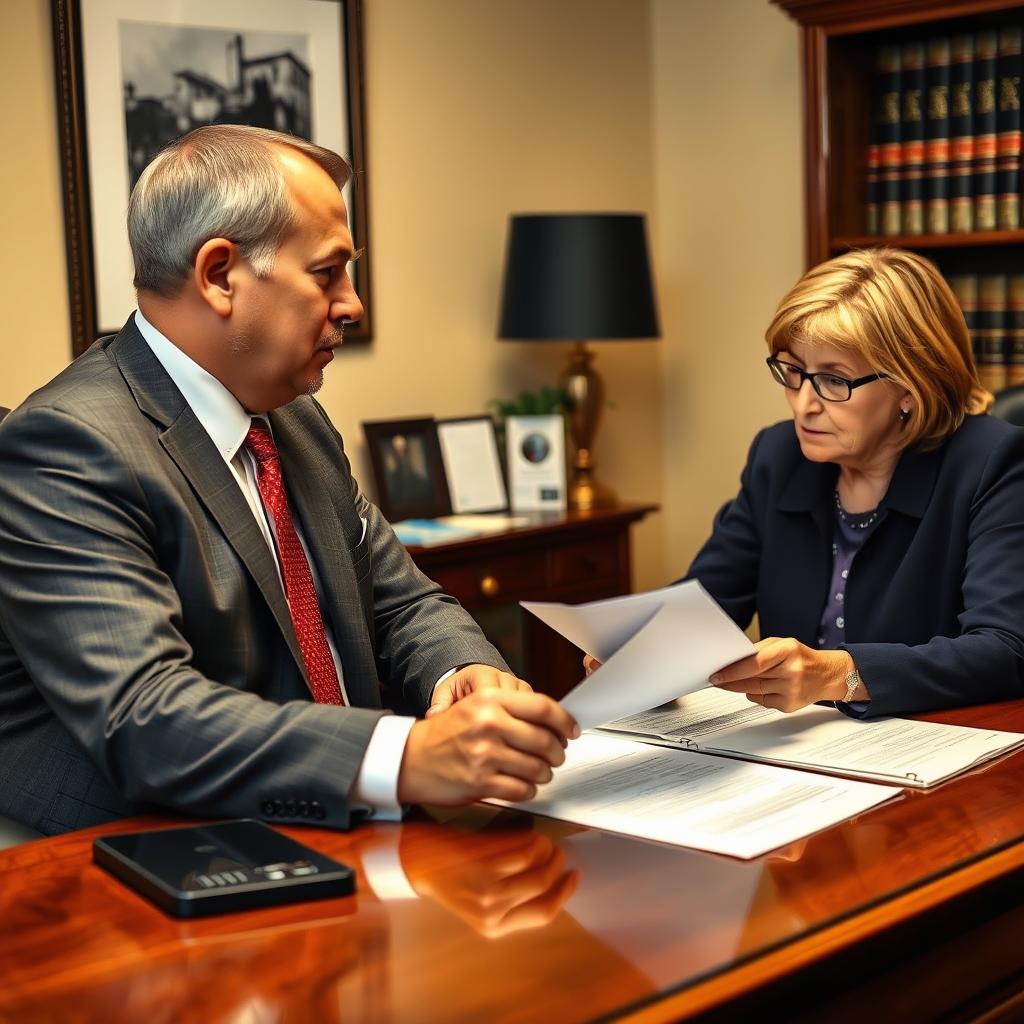
Wills and Trusts Lawyer Louisa County
You need a Wills and Trusts Lawyer Louisa County to draft legally binding documents that protect your assets and family. Law Offices Of SRIS, P.C. —Advocacy Without Borders. Virginia law provides the framework for wills and trusts, but local Louisa County probate court procedures dictate their enforcement. Our Louisa County Location provides direct access to attorneys who understand the local judicial temperament. (Confirmed by SRIS, P.C.)
Statutory Definition of Wills and Trusts in Virginia
Virginia’s statutory framework for estate planning is primarily codified in Title 64.2 of the Virginia Code. A valid will in Virginia must be in writing, signed by the testator, and attested by at least two competent witnesses present at the same time. Trust creation is governed by the Virginia Uniform Trust Code, allowing for revocable living trusts, irrevocable trusts, and testamentary trusts established through a will. The primary purpose of these statutes is to ensure your property passes according to your explicit instructions while minimizing tax liabilities and avoiding the public, often lengthy, process of probate. Failure to adhere to these formalities can result in a will being declared invalid, sending your estate into intestacy where state law, not your wishes, determines distribution.
The legal requirements are strict but provide clear guidance for a Wills and Trusts Lawyer Louisa County. Virginia Code § 64.2-403 outlines the mandatory elements for a holographic will, which is handwritten. The Virginia Uniform Trust Code, beginning at § 64.2-700, details the powers, duties, and rights of trustees and beneficiaries. These laws are not suggestions; they are mandatory rules your documents must follow. Louisa County Circuit Court judges will scrutinize your estate plan against these statutes. Any deviation can lead to costly litigation and family disputes. Proper drafting anticipates these legal standards and builds documents that comply on their face.
What are the core legal documents in an estate plan?
The core documents are a last will and testament, a revocable living trust, financial and healthcare powers of attorney, and an advance medical directive. A will directs asset distribution and names guardians for minor children. A trust manages assets during your life and after death, avoiding probate. Powers of attorney appoint agents to handle your affairs if you become incapacitated. An advance directive outlines your healthcare wishes. Each document serves a distinct, critical role in a thorough plan. Omitting any can create significant legal and financial problems for your family.
How does Virginia law treat digital assets?
Virginia adopted the Revised Uniform Fiduciary Access to Digital Assets Act. This law, under Virginia Code § 64.2-116, grants your executor or trustee authority to manage your digital accounts and assets. It includes email, social media, cryptocurrencies, and online financial accounts. You must specifically authorize this access in your will, trust, or power of attorney. Without proper language, your fiduciaries may be legally locked out of important digital property. A Wills and Trusts Lawyer Louisa County will incorporate the necessary clauses to ensure full access and management of your digital estate.
What is the difference between probate and non-probate assets?
Probate assets are those titled solely in your name without a designated beneficiary. Non-probate assets bypass the probate court entirely. Non-probate assets include life insurance proceeds with a named beneficiary, retirement accounts with beneficiary designations, and property held in joint tenancy with right of survivorship. Assets placed into a revocable living trust also avoid probate. Understanding this distinction is fundamental to structuring an effective estate plan. The goal is often to maximize non-probate transfers to simplify administration for your heirs and reduce court costs. Learn more about Virginia legal services.
The Insider Procedural Edge in Louisa County
The Louisa County Circuit Court is located at 1 Woolfolk Avenue, Louisa, VA 23093. All wills are probated and trust disputes are adjudicated in this court. The clerk’s Location handles the filing of wills, qualifying executors, and overseeing the probate process. Local procedural rules and the temperament of the presiding judges significantly impact estate administration. Filing fees for probate are based on the estate’s value, and the process can take several months to over a year for complex estates. Having an attorney familiar with this specific court’s clerks and judges is a decisive advantage.
Procedural specifics for Louisa County are reviewed during a Consultation by appointment at our Louisa County Location. The court operates on a specific schedule for fiduciary accountings and required hearings. Missing a deadline or filing an incorrect form can cause significant delays. Local practice dictates how guardianship petitions for minor beneficiaries are handled and how trust accountings are reviewed. An experienced Wills and Trusts Lawyer Louisa County knows how to prepare filings that meet the clerk’s expectations on the first submission. This insider knowledge prevents unnecessary back-and-forth and moves your case forward efficiently.
What is the typical timeline for probate in Louisa County?
A simple, uncontested probate in Louisa County typically takes six to nine months to close. This timeline allows for creditor notification, asset collection, and final distribution. Estates with complex assets, disputes among heirs, or tax issues can extend the process to several years. The court’s docket schedule and the efficiency of the personal executor also affect the duration. Proper planning with a trust can often eliminate this timeline entirely for the assets held within it.
What are the common filing fees for estate matters?
The probate tax in Virginia is a one-time fee based on the probate estate’s value. For estates over $15,000, the fee is 10 cents per $100 of value. There is also a separate court filing fee to open the probate case, which is currently $84. Additional fees apply for filing inventories, accountings, and other motions. These costs are paid from the estate assets before distribution to heirs. A thorough estate plan using trusts works to minimize the value of the probate estate, thereby reducing these statutory costs. Learn more about criminal defense representation.
Penalties of Poor Planning and Defense Strategies
The most common penalty for poor estate planning is your assets being distributed by state intestacy laws, not your wishes. Without a valid will, Virginia law dictates which relatives inherit and in what shares. This can disinherit partners, close friends, or charities you intended to support. It can also force the sale of family land or heirlooms to satisfy statutory divisions. The resulting family conflict often leads to expensive, emotionally draining litigation in Louisa County Circuit Court. The cost of litigation far exceeds the cost of proper drafting.
| Issue | Consequence | Notes |
|---|---|---|
| Intestacy (No Will) | Assets distributed per VA Code § 64.2-200. | Spouse may not receive entire estate; children get statutory shares. |
| Invalid Will | Full estate enters intestacy. | Often due to improper execution or lack of capacity. |
| Will Contest | Probate litigation, frozen assets, high legal fees. | Heirs may allege undue influence or fraud. |
| Incorrect Trust Funding | Trust fails, assets go through probate. | Assets must be formally retitled into the trust’s name. |
| Tax Inefficiency | Unnecessary state or federal estate tax liability. | Proper trusts can shield assets from taxation. |
[Insider Insight] Louisa County prosecutors are not involved in standard estate matters, but the Commonwealth’s Attorney may investigate allegations of elder fraud or financial exploitation. The local bench in Louisa County Circuit Court takes allegations of undue influence very seriously, especially when a vulnerable adult is involved. Judges here expect clear, unambiguous documentation and thorough attorney-client interviews to establish testamentary capacity. We build a defensible record during the drafting process to prevent successful challenges.
How can a will contest be defended?
A will contest is defended by demonstrating clear testamentary capacity and the absence of undue influence. We gather contemporaneous medical records if capacity is questioned. We document the client’s clear intent through detailed interview notes and, when appropriate, video recordings of the signing ceremony. Ensuring strict adherence to Virginia’s execution formalities with disinterested witnesses is the first line of defense. A well-drafted will includes an in terrorem clause to discourage frivolous challenges by disinheriting anyone who contests without probable cause.
What happens if a trustee mismanages assets?
Beneficiaries can petition the Louisa County Circuit Court to remove the trustee and seek surcharge for damages. The Virginia Uniform Trust Code holds trustees to a high fiduciary standard. Trustees must act prudently, avoid self-dealing, and provide regular accountings. We advise trustees on their duties to prevent inadvertent breaches. For beneficiaries, we review trust accountings and actions to ensure compliance. Court intervention can compel proper management or appoint a successor trustee to protect the trust’s assets. Learn more about DUI defense services.
Why Hire SRIS, P.C. for Your Louisa County Estate Plan
Our lead estate planning attorney for Louisa County matters is a Virginia-licensed practitioner with a deep understanding of Title 64.2. This attorney focuses on creating customized, legally sound documents that anticipate local court scrutiny. We have handled numerous estate administrations and planning sessions for Louisa County residents. Our approach is direct: we identify your goals, explain the law, and draft documents that achieve your objectives without unnecessary complexity.
SRIS, P.C. provides a distinct advantage for Louisa County residents. Our Location offers immediate access to legal counsel familiar with the Louisa County Circuit Court. We don’t use generic templates; each will and trust is drafted to address your specific family dynamics and asset portfolio. We ensure your plan accounts for Virginia’s laws on digital assets, creditor protection, and potential long-term care needs. Our process includes a clear explanation of how to fund your trust and maintain your plan over time. You get a complete strategy, not just documents.
Localized Louisa County Estate Planning FAQs
Where is the probate court in Louisa County?
The Louisa County Circuit Court at 1 Woolfolk Avenue, Louisa, VA 23093 handles all probate and trust matters. The Clerk of the Circuit Court manages the filing process.
Do I need a will if I have a small estate?
Yes. A small estate still requires a will to direct who receives personal items and any remaining assets. It also names an executor to handle final affairs efficiently. Learn more about our experienced legal team.
Can I write my own will in Virginia?
You can, but handwritten holographic wills have strict proof requirements. Any error in execution can invalidate it. Professional drafting ensures it meets all Virginia legal standards.
How often should I update my estate plan?
Review your plan every three to five years or after major life events. These include marriage, divorce, births, deaths, or significant changes in your financial situation.
What is the main benefit of a living trust?
A living trust avoids the public probate process. It allows for private, faster distribution of assets and provides management if you become incapacitated.
Proximity, Contact, and Essential Disclaimer
Our Louisa County Location is positioned to serve clients throughout the county. We are accessible from areas like Mineral, Bumpass, and Cuckoo. For a Consultation by appointment to discuss your will, trust, or estate administration needs, call our team 24/7. We provide clear guidance on Virginia estate law and Louisa County procedures. Contact SRIS, P.C. at our main line for scheduling. Our legal team is ready to help you secure your legacy.
Law Offices Of SRIS, P.C.
—Advocacy Without Borders.
Consultation by appointment. Call 24/7.
Past results do not predict future outcomes.