
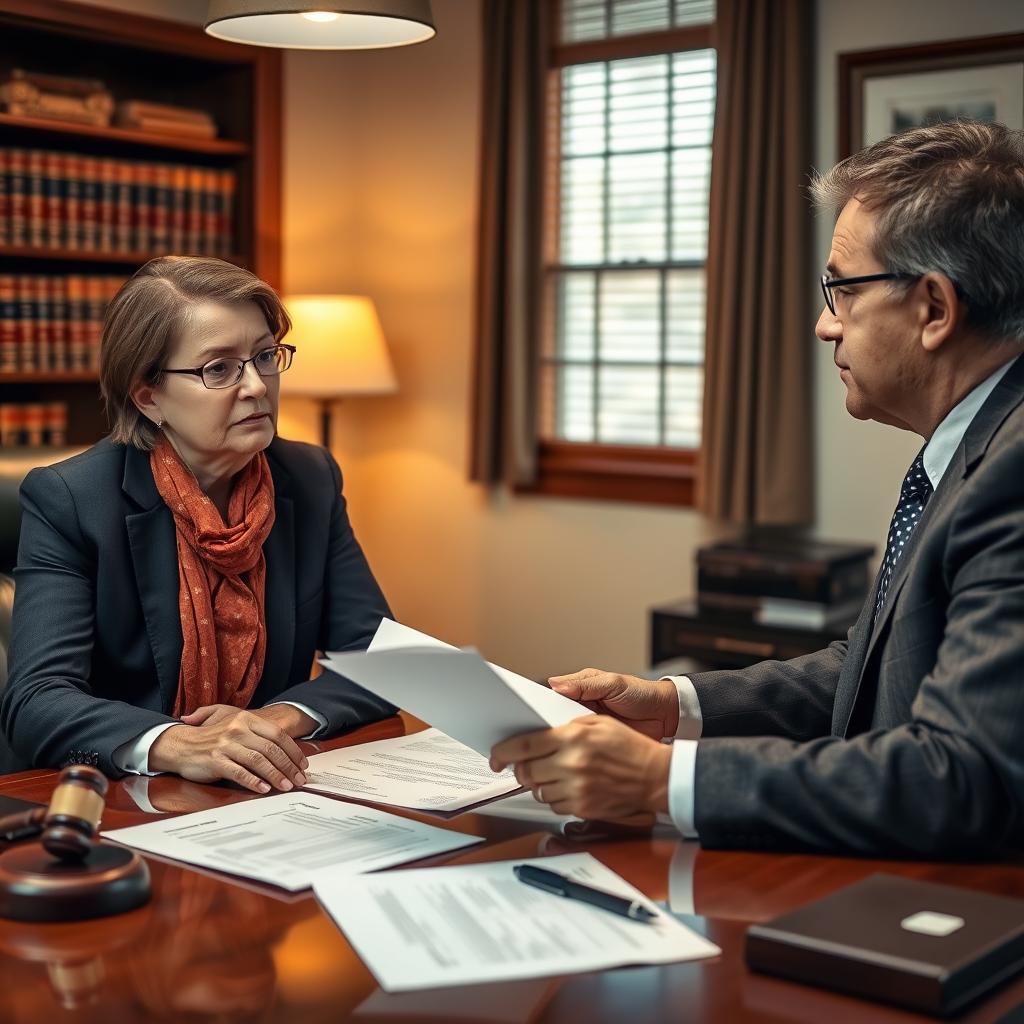
Estate Administration Lawyer Shenandoah
An Estate Administration Lawyer Shenandoah handles the legal process of settling a deceased person’s affairs under Virginia law. This involves probating the will, paying debts, and distributing assets to heirs. The Law Offices Of SRIS, P.C.—Advocacy Without Borders. provides direct counsel to executors and administrators in Shenandoah County. (Confirmed by SRIS, P.C.)
Statutory Definition of Estate Administration in Virginia
Virginia estate administration is governed by Title 64.2 of the Code of Virginia, which classifies the process as a civil judicial proceeding with the primary goal of orderly asset transfer. The core statute is Va. Code § 64.2-500, establishing the qualification of a personal representative. This legal framework mandates strict adherence to court-supervised procedures for validating wills and appointing fiduciaries. Failure to comply can result in personal liability for the executor or administrator. The process is not optional if the decedent owned assets in their sole name at death.
The role of an Estate Administration Lawyer Shenandoah is to handle this statutory maze. Virginia law creates distinct pathways for testate (with a will) and intestate (without a will) estates. The personal representative, whether named in the will or appointed by the court, acts as a fiduciary. This legal status imposes the highest duty of care, loyalty, and good faith. The lawyer ensures every action meets this standard. Key statutes include Va. Code § 64.2-550 on inventory filing and Va. Code § 64.2-528 on bond requirements.
What are the primary duties of an executor under Virginia law?
An executor must locate the will, file it with the proper court, and manage estate assets prudently. Virginia law requires filing an inventory of assets within four months of qualification. The executor must pay valid debts and taxes from estate funds. Finally, they distribute remaining assets to the rightful beneficiaries. Each step requires precise documentation filed with the Shenandoah County Circuit Court Clerk.
How does Virginia law define “probate assets”?
Probate assets are any properties held solely in the decedent’s name without a designated beneficiary. This includes real estate titled individually, bank accounts without POD/TOD, and personal belongings. Jointly owned assets with rights of survivorship and assets in trusts typically avoid probate. An Estate Administration Lawyer Shenandoah reviews all holdings to determine what must go through the court process. This analysis is critical for an accurate and efficient administration.
What is the difference between an executor and an administrator in Shenandoah?
An executor is the person named in the deceased’s will to handle the estate. An administrator is appointed by the court when there is no valid will. The court follows a statutory order of priority for administrator appointment, typically starting with the surviving spouse. Both roles carry the same fiduciary duties under Virginia law. The key distinction is their source of authority—the document versus the court. Learn more about Virginia legal services.
The Insider Procedural Edge in Shenandoah County
The Shenandoah County Circuit Court at 112 S. Main St., Woodstock, VA 22664 handles all estate administration matters. All probate filings begin at the Clerk of the Circuit Court’s Location in this building. Procedural specifics for Shenandoah are reviewed during a Consultation by appointment at our Shenandoah Location. The local court expects strict compliance with statutory timelines for inventory and accountings. Familiarity with the preferences of the local Clerk’s staff can prevent unnecessary delays in issuing qualification documents.
The timeline for a standard, uncontested estate in Shenandoah County typically spans nine to eighteen months. This period allows for creditor advertisement, tax clearance, and final distribution. Filing fees are set by Virginia statute and vary based on the estate’s value. The current fee schedule is available at the clerk’s Location. A key local procedural fact is the court’s reliance on properly formatted orders prepared by counsel, which expedites judicial review and signature.
What is the typical cost to probate an estate in Shenandoah County?
Court costs include filing fees, bond premiums, and publication costs for creditors. Attorney fees are often based on the complexity of the estate and the hours required. Some estates use a statutory fee based on the value of assets administered. The total cost is influenced by factors like will contests or disputed claims. An initial Consultation by appointment provides a clearer estimate for your specific situation.
How long does the average estate administration take in Shenandoah?
A simple estate with no disputes can often be settled within nine to twelve months. Estates requiring federal estate tax returns or facing creditor claims take longer. The mandatory creditor waiting period under Virginia law is a primary driver of the timeline. Contests or litigation over the will can extend the process for years. An experienced lawyer manages expectations and works to avoid unnecessary delays. Learn more about criminal defense representation.
Penalties & Defense Strategies for Fiduciaries
Personal representatives face personal financial liability for breaches of their fiduciary duty. The most common penalty is a surcharge order from the court requiring repayment of misapplied funds. Virginia courts can remove a fiduciary for misconduct and deny them compensation. In severe cases, allegations of fraud or embezzlement can lead to criminal charges. Beneficiaries have the right to file exceptions to accountings and petition for removal.
| Offense | Penalty | Notes |
|---|---|---|
| Failure to File Inventory (Va. Code § 64.2-550) | Removal; Contempt of Court | Statutory deadline is 4 months after qualification. |
| Failure to File Accountings | Surcharge; Denial of Commission | Court can order personal payment for losses. |
| Self-Dealing / Conflict of Interest | Removal; Full Restitution | Fiduciary must avoid any personal gain from estate. |
| Improper Distribution of Assets | Personal Liability to Rightful Heirs | Distributing before debts are paid is a major risk. |
[Insider Insight] The Shenandoah County Commissioner of Accounts scrutinizes estate accountings for compliance. This court-appointed official reviews every financial transaction. Local practice demands detailed receipts and clear explanations for all expenditures. Preparing careful documentation from day one is the strongest defense against later challenges. Proactive communication with the Commissioner’s Location can resolve questions before they become formal objections.
What are the most common mistakes executors make in Virginia?
Executors often fail to keep separate, detailed records for all estate transactions. Paying estate debts with personal funds creates a reimbursement nightmare. Distributing assets to heirs before securing tax releases and paying all debts is a critical error. Another common mistake is underestimating the time and complexity of the legal process. Attempting administration without legal guidance significantly increases these risks.
Can an executor be sued personally in Shenandoah?
Yes, an executor can be sued personally for breaches of fiduciary duty. Disgruntled beneficiaries can file a complaint with the Circuit Court. The lawsuit would seek monetary damages for any loss to the estate. The executor’s personal assets could be at risk if a court finds misconduct. Having legal counsel provides a layer of protection and ensures actions are defensible. Learn more about DUI defense services.
Why Hire SRIS, P.C. for Estate Administration in Shenandoah
Our lead counsel for estate matters in Shenandoah is a Virginia-licensed attorney with over a decade of focused probate experience. This attorney has guided hundreds of personal representatives through the Shenandoah County Circuit Court process. Their practice is dedicated to fiduciary law and estate settlement. This specific focus translates to efficient handling of local rules and expectations.
SRIS, P.C. has a proven record of resolving complex estate administrations in Shenandoah County. Our approach is systematic and detail-oriented, ensuring no statutory requirement is overlooked. We prepare all necessary pleadings, inventories, accountings, and court orders. Our team handles communications with the Commissioner of Accounts, creditors, and beneficiaries. This allows the executor to focus on their personal obligations while we manage the legal burden.
We understand the emotional weight of serving as an executor. Our legal guidance provides clarity and reduces stress during a difficult time. We identify potential disputes early and work to resolve them before they require litigation. Our goal is a final order of distribution that protects the fiduciary from future liability. Choosing SRIS, P.C. means choosing a partner committed to a correct and complete administration.
Localized FAQs for Estate Administration in Shenandoah
What does a settling an estate lawyer Shenandoah actually do?
A settling an estate lawyer Shenandoah handles the entire probate process from start to finish. They file documents with the Shenandoah County Circuit Court. The lawyer advises the executor on legal duties and creditor claims. They prepare final accountings and oversee the lawful distribution of assets to heirs. Learn more about our experienced legal team.
Who can serve as the executor of an estate in Shenandoah, Virginia?
Any competent adult named in the will can serve as executor, if approved by the court. If there is no will, Virginia law prioritizes the surviving spouse, then adult children. The court must formally appoint the personal representative through an order of qualification. Non-residents may need to post a bond or appoint a local agent.
How are executor duties lawyer Shenandoah services billed?
Services are typically billed on an hourly basis for the attorney’s work. Some estates may use a fee based on a percentage of the estate assets, as allowed by law. Court costs and filing fees are separate from legal fees. The billing method is discussed and agreed upon during the initial consultation.
What happens if someone dies without a will in Shenandoah County?
They die “intestate,” and Virginia’s intestacy laws determine heirship. The court appoints an administrator, usually the closest relative. Assets are distributed to heirs according to a strict statutory formula. The administration process still requires court supervision. An attorney is essential to handle the appointment and distribution rules.
Are all assets subject to probate in Virginia?
No, many assets bypass probate. These include life insurance with a named beneficiary, retirement accounts, and jointly owned property with rights of survivorship. Assets held in a living trust are also non-probate. An attorney reviews all assets to identify which require court involvement.
Proximity, CTA & Disclaimer
Our Shenandoah Location serves clients throughout Shenandoah County and the surrounding region. We are accessible for meetings to discuss the specifics of estate administration. Consultation by appointment. Call 540-709-2774. 24/7. Our legal team is prepared to assist executors and administrators with the Shenandoah County Circuit Court. The Law Offices Of SRIS, P.C. provides focused representation for fiduciaries. Do not face this complex responsibility alone. Contact us to schedule a case review of your estate administration needs.
Past results do not predict future outcomes.