
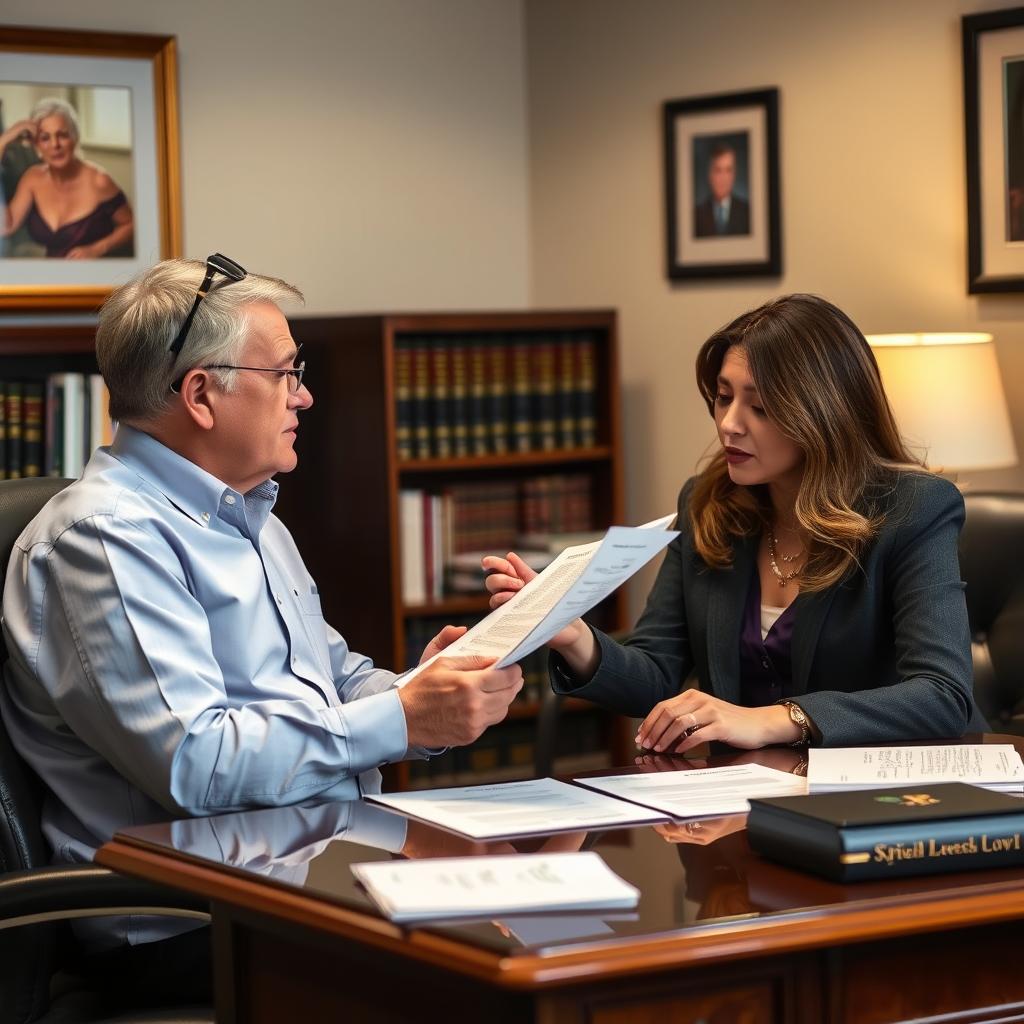
Special Needs Trust Lawyer James City County
A Special Needs Trust Lawyer James City County establishes a legal tool to protect a disabled individual’s eligibility for public benefits. Law Offices Of SRIS, P.C.—Advocacy Without Borders. provides this critical planning. The trust holds assets for supplemental needs without disqualifying the beneficiary from Medicaid or SSI. Proper drafting under Virginia law is essential. (Confirmed by SRIS, P.C.)
Statutory Definition and Purpose of a Special Needs Trust
A special needs trust in Virginia is governed by both state statute and federal public benefit rules. The primary Virginia code addressing this is Va. Code Ann. § 64.2-779. This statute authorizes the creation of a discretionary trust for a beneficiary with a disability. The trust must be for the sole benefit of the individual. It must comply with federal Supplemental Security Income and Medicaid resource limits. The trust assets are not counted as the beneficiary’s own resources. This preserves crucial government assistance. The trust pays for supplemental needs beyond what benefits provide. These can include personal care, education, transportation, and recreation. A Special Needs Trust Lawyer James City County ensures the document is drafted correctly. Mistakes can lead to disqualification from vital programs.
Va. Code Ann. § 64.2-779 — Discretionary Trust for Beneficiary with a Disability — Primary purpose is to preserve public benefit eligibility. This statute provides the framework under Virginia law for establishing a discretionary trust for an individual with a disability. It defines the trustee’s powers to make distributions for the beneficiary’s supplemental needs. The trust must be irrevocable. It must contain specific language stating it is established for a person with a disability. The trust principal cannot be used to replace government benefits. Distributions must be solely at the trustee’s discretion. This prevents the assets from being deemed an available resource. Federal law, particularly 42 U.S.C. § 1396p(d)(4)(A), provides the corresponding Medicaid safe harbor. A trust meeting these criteria is called a “first-party” or “self-settled” trust. It is funded with the disabled individual’s own assets, often from an inheritance or legal settlement. A “third-party” trust is funded by someone else, like a parent. Both types require precise legal drafting. The consequences of an error are severe and permanent.
What is the difference between a first-party and third-party special needs trust?
A first-party trust is funded with the disabled beneficiary’s own assets. This type of trust must include a Medicaid payback provision upon the beneficiary’s death. Any remaining funds must reimburse the state for Medicaid benefits paid. A third-party trust is funded by assets belonging to someone other than the beneficiary, like a parent. A third-party trust does not require a Medicaid payback clause. The remaining assets can pass to other family members. Choosing the correct trust type is a fundamental decision. A Special Needs Trust Lawyer James City County analyzes the asset source to determine the appropriate structure.
Who can establish a special needs trust in Virginia?
A parent, grandparent, legal guardian, or a court can establish a first-party trust for a disabled individual. The beneficiary must be under age 65 at the time of funding. For a third-party trust, any individual can create it as part of their estate plan. The settlor must have legal capacity and own the assets funding the trust. A court may also establish a trust upon petition, often in settlement of a personal injury case. The establishing party must have clear intent to supplement, not supplant, public benefits. Legal counsel is required to prepare the petition and trust instrument for court approval.
What are the key provisions that must be included in the trust document?
The trust must explicitly state it is for the supplemental care of a person with a disability. It must grant absolute discretion to the trustee over distributions. The document must prohibit distributions that would disqualify the beneficiary from needs-based programs. It should define “supplemental needs” with examples like medical equipment not covered by Medicaid. For a first-party trust, the Medicaid payback language is mandatory. The trust should name a successor trustee and provide clear instructions for trust termination. Omitting any of these provisions risks the entire arrangement being deemed an available resource by benefit agencies. Learn more about Virginia legal services.
The Insider Procedural Edge in James City County
Estate and trust matters in James City County are handled by the Williamsburg-James City County Circuit Court. The court address is 5201 Monticello Avenue, Williamsburg, VA 23188. This court has jurisdiction over the formal approval of certain trusts, particularly those established by court order. For a first-party special needs trust funded from a legal settlement, court approval is often required. The petition must demonstrate the trust is in the best interest of the disabled individual. The court reviews the trust document to ensure compliance with Virginia law. Local procedural rules require specific filings and notice to interested parties. Timelines can vary based on court docket schedules. Filing fees are set by statute and must be paid at the time of filing. Working with an attorney familiar with this court’s expectations is critical.
What is the typical timeline for establishing a court-approved trust?
The process from drafting to court approval can take several weeks to a few months. Drafting the petition and trust document requires careful legal work. Once filed, the court schedules a hearing, often within 30 to 60 days. The notice period to interested parties must be satisfied before the hearing. If the petition is complete and unopposed, approval may be granted at the hearing. Any complications or objections will extend the timeline significantly. Having an experienced attorney manage the process prevents unnecessary delays.
What are the filing fees associated with a trust petition?
Filing fees in the Williamsburg-James City County Circuit Court are mandated by the Virginia Supreme Court. The fee for filing a petition to establish a trust is currently $84. There may be additional fees for certifying copies or recording orders. These costs are also to legal fees for drafting and representation. Procedural specifics for James City County are reviewed during a Consultation by appointment at our Williamsburg Location.
Penalties of Poor Planning and Defense Strategies
The most severe penalty for an improperly drafted trust is the disqualification of the beneficiary from Medicaid and SSI. This can result in a loss of tens of thousands of dollars in annual benefits. The beneficiary may also become liable for past benefits paid, creating a debt to the state. Assets intended for care could be exhausted on basic living costs that benefits would have covered. Family members may face financial strain trying to provide support without the safety net of public programs. A properly drafted trust is the only defense against these outcomes. It requires anticipating how state agencies and federal programs will evaluate the trust structure. Learn more about criminal defense representation.
| Potential Consequence | Direct Impact | Notes |
|---|---|---|
| Medicaid/SSI Disqualification | Loss of health insurance and monthly income support. | Beneficiary must spend down all assets to re-qualify. |
| State Reimbursement Claim | Debt owed to Virginia for benefits already paid. | First-party trusts must include a payback provision. |
| Loss of Asset Protection | Trust funds become countable resources. | Triggers a period of ineligibility for benefits. |
| Family Financial Burden | Family members must cover all costs of care. | Can deplete a family’s savings and retirement funds. |
| Irreversible Error | Poorly drafted terms cannot always be fixed later. | Some trust defects are fatal and cannot be amended. |
[Insider Insight] Local experience shows that the Virginia Department of Social Services conducts rigorous reviews of special needs trusts. They scrutinize trustee discretion and distribution history. An attorney who understands their audit criteria can draft a trust that withstands this review. Proactive planning is the only effective defense.
How can a trust be attacked or invalidated by benefit agencies?
Agencies can argue the trustee’s distribution power is not truly discretionary. If the beneficiary can compel distributions, the assets are countable. Trust language that mandates payments for food or shelter can cause benefit reductions. Failure to include the required payback provision voids the trust’s protective status. Agencies may also challenge whether the beneficiary meets the legal definition of “disabled” under the trust terms. Preemptive legal review by a disability trust planning lawyer James City County identifies and fixes these vulnerabilities before submission.
What is the strategy for choosing a trustee?
The trustee must understand public benefit rules and exercise true discretion. A family member often serves, but a professional corporate trustee may be advisable for larger trusts. The trust document should provide clear guidance on supplemental needs. It should also allow for the removal and succession of trustees. Naming a successor trustee prevents the trust from failing if the initial trustee cannot serve. This strategic decision balances family involvement with administrative experience.
Why Hire SRIS, P.C. for Your James City County Special Needs Trust
Our lead attorney for estate planning matters has over 15 years of experience drafting complex fiduciary instruments in Virginia. This attorney focuses on creating legally sound documents that protect public benefit eligibility. SRIS, P.C. has a dedicated team for fiduciary and estate law. We understand the intersection of Virginia trust law and federal benefit regulations. Our attorneys draft precise language that meets the strict standards of state agencies. We prepare petitions for court approval when necessary. We guide families through the entire process, from initial planning to trust administration. Our goal is to secure lifelong care and dignity for your loved one with disabilities. Learn more about DUI defense services.
Lead Attorney: Our managing attorney for fiduciary matters is a member of the Virginia State Bar’s Trusts and Estates Section. This attorney has drafted and established numerous special needs trusts for families in the Tidewater region. The attorney’s practice is devoted to protective estate planning for vulnerable individuals. This includes supplemental needs trusts, guardianships, and conservatorships. The attorney’s depth of knowledge in this niche area provides a significant advantage.
Localized FAQs for James City County Residents
Can a special needs trust own a home in James City County?
Yes, a special needs trust can own a home for the beneficiary’s primary residence. The home is not considered a countable resource for SSI and Medicaid. The trust can pay for property taxes, insurance, maintenance, and utilities. This preserves the beneficiary’s housing security without affecting their benefit eligibility.
What happens to the trust if the beneficiary moves out of Virginia?
The trust remains valid if the beneficiary moves to another state. The trust is governed by Virginia law if it was established here. The trustee must ensure distributions comply with the new state’s Medicaid rules. Some states have specific interpretation rules, so trustee guidance is essential after a move.
How does a special needs trust affect eligibility for James City County services?
A properly drafted trust should not affect eligibility for local disability services. County programs often follow state and federal eligibility guidelines. The trust assets are not counted. Always disclose the trust to county agencies and provide a copy for their file to prevent issues. Learn more about our experienced legal team.
Who manages the day-to-day finances of the trust?
The appointed trustee has full responsibility for managing the trust’s finances. This includes investing assets, making distributions, and keeping detailed records. The trustee must file annual tax returns for the trust. Many families choose a professional trustee or co-trustee for complex financial management.
Can the trust be amended or changed later?
A third-party special needs trust can often be amended if the grantor is still alive and the terms allow it. A first-party trust is generally irrevocable and cannot be amended. It is crucial to get the terms right from the start with skilled legal help.
Proximity, Contact, and Essential Disclaimer
Our Williamsburg Location serves clients throughout James City County. We are situated to provide accessible legal support for estate and trust planning. For a Consultation by appointment to discuss a special needs trust, call our team 24/7. We will review your situation and explain the legal steps to protect your family member’s future.
Law Offices Of SRIS, P.C. —Advocacy Without Borders.
Phone: 757-941-4298
Consultation by appointment. Call 24/7.
Past results do not predict future outcomes.