
Trust Lawyer Charles County
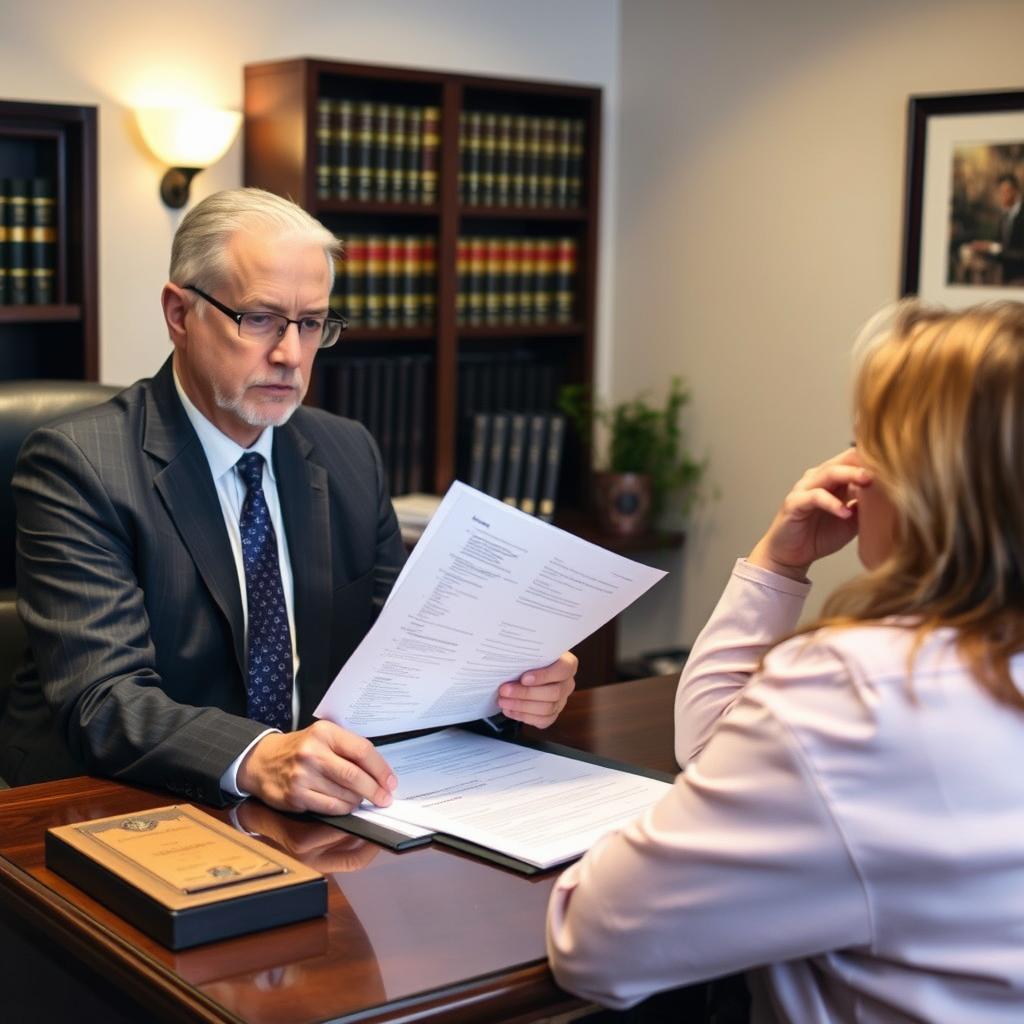
You need a Trust Lawyer Charles County to handle estate planning and trust administration under Maryland law. Law Offices Of SRIS, P.C.—Advocacy Without Borders. provides direct legal counsel for creating, funding, and managing trusts in Charles County. Our Charles County Location focuses on protecting your assets and ensuring your wishes are followed. (Confirmed by SRIS, P.C.)
Statutory Definition of Trusts in Maryland
Maryland trust law is primarily governed by the Maryland Trust Act, codified in the Estates and Trusts Article of the Maryland Code. This statutory framework defines a trust as a fiduciary relationship where a trustee holds legal title to property for the benefit of one or more beneficiaries. The creator of the trust, known as the grantor or settlor, transfers assets into the trust. The trustee has a legal duty, known as a fiduciary duty, to manage those assets solely in the interests of the beneficiaries. This duty is the highest standard of care under Maryland law. Violations of this duty can lead to court action for breach of fiduciary duty. A Charles County court can remove a trustee, impose surcharges, and award damages. The specific procedures for trust litigation in Charles County are reviewed during a Consultation by appointment at our Charles County Location.
Md. Code, Est. & Trusts § 14.5-102 — Fiduciary Relationship — Court-Ordered Remedies including Surcharge and Removal. The Maryland Trust Act establishes the legal duties of a trustee. A trustee must administer the trust in good faith according to its terms and purposes. The trustee must act solely in the interests of the beneficiaries. The trustee must exercise the care, skill, and caution a prudent person would. This includes proper investment and management of trust assets. Failure to meet these standards constitutes a breach of fiduciary duty. Beneficiaries or co-trustees can petition the Charles County Circuit Court for relief. The court has broad authority to remedy a breach. Available remedies include compelling the trustee to perform certain duties. The court can enjoin the trustee from committing a breach. It can order the trustee to redress a breach by paying money or restoring property. The court can suspend or remove the trustee entirely. It can also reduce or deny the trustee’s compensation. These actions protect the integrity of the trust and the beneficiaries’ interests.
What are the main types of trusts handled in Charles County?
Revocable living trusts and irrevocable trusts are the most common types in Charles County estate planning. A revocable living trust allows the grantor to maintain control and make changes during their lifetime. It avoids probate for assets titled in the trust’s name. An irrevocable trust typically cannot be changed after creation without court or beneficiary consent. It is often used for asset protection and tax planning purposes. Special needs trusts and testamentary trusts are also established under Maryland law.
What legal authority does a trustee have in Maryland?
A trustee’s powers are defined by the trust document and Maryland statutory law. The Maryland Trust Act grants trustees broad powers to manage trust property. These powers include investing assets, selling property, and entering into contracts. Trustees can also hire accountants, investment advisors, and attorneys. All powers must be exercised prudently and solely for the benefit of the beneficiaries. A trustee acting outside this scope can be held personally liable.
Who can challenge a trust in Charles County?
Interested parties with legal standing can challenge a trust’s validity or a trustee’s actions in Charles County Circuit Court. This includes beneficiaries named in the trust document. It also includes heirs-at-law who would inherit if the trust were invalid. Creditors of the trust or the grantor’s estate may also have standing. Challenges often allege lack of capacity, undue influence, fraud, or improper trust administration. The specific facts of your case require review by a trust lawyer.
The Insider Procedural Edge for Charles County Trust Matters
All formal trust litigation and probate-related matters for Charles County are filed at the Charles County Circuit Court. The address is 200 Charles Street, La Plata, MD 20646. This court handles petitions to appoint or remove trustees. It also hears cases involving trust interpretation, breach of fiduciary duty, and accountings. The clerks in the civil division process these filings. Filing fees are set by Maryland statute and court rules. The current filing fee for a civil complaint or petition is approximately $165. Additional fees apply for summons issuance and other motions. The timeline for trust litigation varies significantly. A simple petition for instructions may resolve in months. A contested case alleging fraud or major breach can take a year or more. Maryland rules require certain disputes to go through mediation before trial. The local procedural temperament often favors settlement conferences. Having a trust lawyer familiar with these local rules is critical.
What is the typical timeline to settle a trust dispute in Charles County?
A direct trust administration matter may conclude within several months if uncontested. A disputed trust case in Charles County Circuit Court often takes nine to eighteen months. The timeline depends on court scheduling, discovery complexity, and mediation outcomes. Initial pleadings set the stage for months of evidence gathering. Settlement conferences are typically mandated by local rule. A trial, if necessary, will be scheduled based on the court’s docket availability.
What are the court costs for trust litigation in Charles County?
Beyond attorney fees, court costs for trust litigation include filing fees, service of process fees, and transcription costs. The initial filing fee for a civil petition is around $165. Serving legal documents on all parties incurs additional fees. If depositions are taken, court reporter fees apply. experienced witness fees can be substantial in cases involving financial or valuation issues. These costs are separate from legal representation fees charged by your trust lawyer.
Penalties & Defense Strategies in Trust Administration
The most common penalty in trust litigation is a financial surcharge against a negligent trustee. A surcharge is a court-ordered payment from the trustee’s personal assets to the trust. It compensates the trust for losses caused by the trustee’s breach of duty. The amount is based on the actual loss to the trust estate. In egregious cases, the court can also award punitive damages. The trustee may be removed from their position and denied any commission. In cases of fraud or theft, criminal charges for embezzlement could be filed by the State’s Attorney.
| Offense / Breach | Penalty | Notes |
|---|---|---|
| Negligent Investment / Failure to Diversify | Surcharge for losses + interest | Trustee must make trust whole for depreciation. |
| Self-Dealing / Conflict of Interest | Surcharge for profit + removal | Trustee may forfeit all fees and be removed. |
| Failure to Account or Provide Information | Compel accounting + pay beneficiaries’ legal fees | Court can order trustee to pay the other side’s costs. |
| Fraud or Theft of Trust Assets | Full restitution + punitive damages + criminal charges | May lead to felony theft or embezzlement charges. |
| Failure to Distribute Assets Timely | Interest on withheld assets + removal | Delay without valid reason is a breach of duty. |
[Insider Insight] The Charles County State’s Attorney’s Location typically refers purely financial trust disputes to civil court. They will, however, pursue criminal charges if there is clear evidence of intentional theft or forgery. The civil judges in the Circuit Court expect strict compliance with accounting rules. They show little patience for trustees who commingle funds or fail to keep clear records. Early engagement of a trust lawyer can often resolve issues before they escalate to court.
Can a trustee go to jail for mismanaging a trust in Maryland?
A trustee cannot be jailed for simple negligence or poor investment choices in civil court. Criminal charges for theft, fraud, or embezzlement can lead to incarceration. If the State’s Attorney files criminal charges, conviction can result in prison time. These charges are separate from any civil surcharge or removal ordered by the probate court. A trust lawyer can advise on your specific exposure.
What are the defenses against a breach of fiduciary duty claim?
Defenses include acting in accordance with the trust’s terms, obtaining informed consent from beneficiaries, or relying in good faith on professional advice. A trustee can defend a claim by showing they followed the grantor’s explicit instructions. Another defense is that all adult beneficiaries consented to the action in writing. A trustee may also show they reasonably relied on the advice of an attorney, accountant, or investment advisor. These defenses require thorough documentation.
Why Hire SRIS, P.C. for Your Charles County Trust Matter
Our lead attorney for Charles County trust matters has over 15 years of litigation experience in Maryland probate courts. This includes representing trustees, beneficiaries, and grantors in complex fiduciary disputes. Our attorney has handled cases involving multi-million dollar estates and allegations of undue influence. We understand the precise procedural requirements of the Charles County Circuit Court.
Primary Attorney: The attorney handling trust cases in Charles County is a seasoned litigator. They are licensed to practice in all Maryland state courts. Their background includes extensive work in estate litigation and fiduciary representation. They have guided clients through contested accountings and trustee removal proceedings. Their focus is on achieving practical resolutions that align with the client’s goals.
SRIS, P.C. has a dedicated Location in Charles County to serve local clients. Our firm’s approach is direct and strategic. We prepare every case as if it will go to trial. This preparation often leads to stronger settlement positions. We explain the legal process in clear terms without jargon. You will know the potential costs, risks, and likely outcomes upfront. Our team coordinates with financial planners and CPAs when needed. We provide estate and family law coordination for complex situations. For disputes that escalate, we provide aggressive litigation defense in civil court. You can review the experience of our legal team directly.
Localized FAQs for Trusts in Charles County
How much does a trust lawyer cost in Charles County?
Trust lawyer fees in Charles County are typically hourly or flat-rate for document drafting. Contested litigation is billed hourly. Rates vary based on the attorney’s experience and case complexity. You will receive a fee agreement detailing all costs before work begins.
What is the difference between a will and a trust in Maryland?
A will directs asset distribution after death and requires probate court oversight. A trust manages assets during life and after death, often avoiding probate. Trusts offer more privacy and potential control over asset distribution than wills.
Can I create a trust without a lawyer in Charles County?
You can create a trust without a lawyer using forms, but it is not advisable. DIY trusts often contain errors in funding or legal language that cause disputes. A trust lawyer ensures the document is valid and your assets are properly titled.
How long does it take to get a trust established in Charles County?
Drafting and executing a simple revocable living trust can take two to four weeks. The timeline depends on asset complexity and client decision-making. Funding the trust—transferring assets into it—is a separate, crucial step.
What happens if a trustee dies in Maryland?
The trust document usually names a successor trustee to take over immediately. If no successor is named, the beneficiaries must petition the Charles County Circuit Court. The court will appoint a new trustee to administer the trust.
Proximity, CTA & Disclaimer
Our Charles County Location is strategically positioned to serve clients throughout the county. We are accessible from Waldorf, La Plata, Indian Head, and Bryans Road. Procedural specifics for Charles County are reviewed during a Consultation by appointment at our Charles County Location. Consultation by appointment. Call 301-388-5528. 24/7.
Law Offices Of SRIS, P.C.
—Advocacy Without Borders.
Charles County Location
(Address details provided upon scheduling)
For related matters involving asset protection, consider our estate planning services.
Past results do not predict future outcomes.