
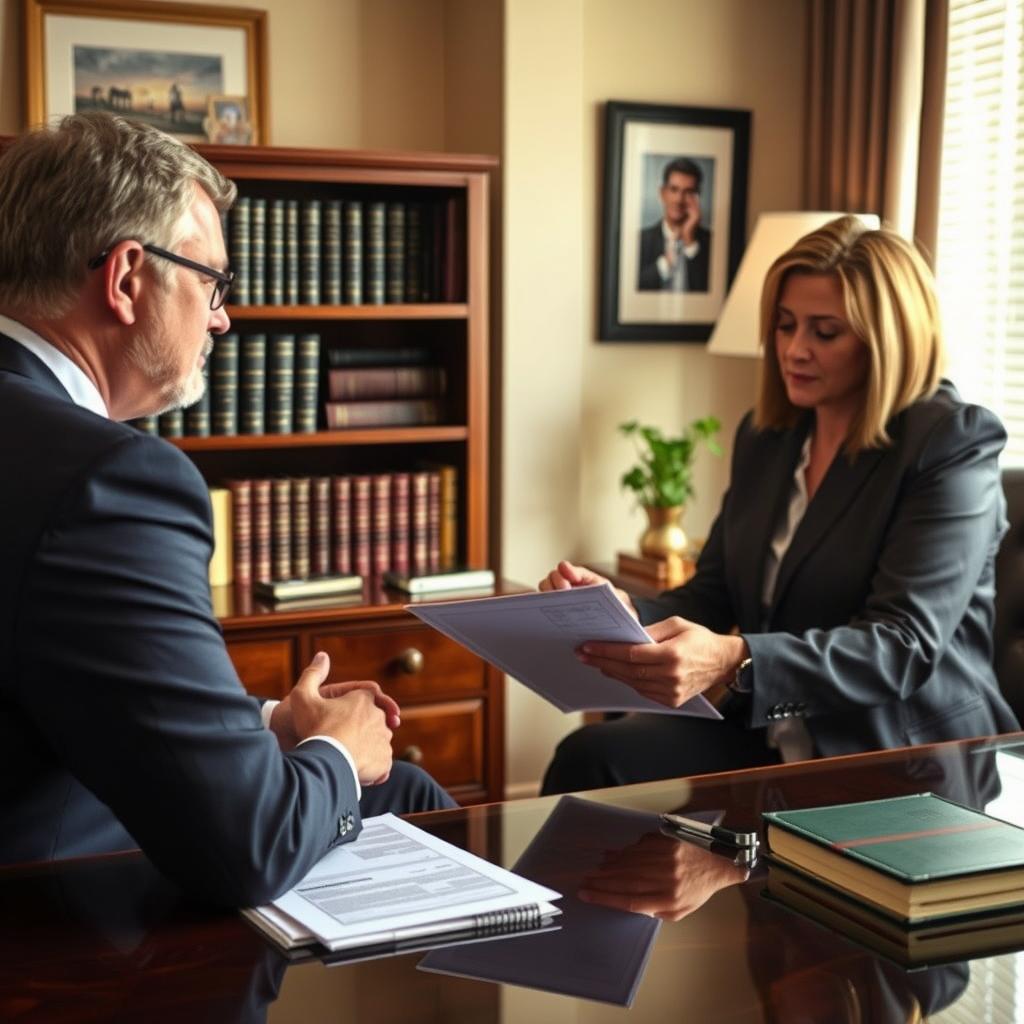
Probate Lawyer American University Park
You need a Probate Lawyer American University Park to manage the legal transfer of assets after a death. The process is governed by District of Columbia law and requires filing with the D.C. Superior Court. Law Offices Of SRIS, P.C. —Advocacy Without Borders. Our attorneys handle estate administration, will validation, and creditor claims. (Confirmed by SRIS, P.C.)
Statutory Definition of Probate in the District of Columbia
Probate in D.C. is governed by Title 20 of the D.C. Code, specifically Chapter 3, which classifies the process as a civil judicial proceeding with the core purpose of validating a will and appointing a personal representative. The statutory framework establishes the legal authority for the D.C. Superior Court, Probate Division, to oversee the administration of a decedent’s estate. This includes identifying assets, paying valid debts and taxes, and distributing remaining property to rightful heirs or beneficiaries. The process is mandatory for assets held solely in the decedent’s name that do not have a designated beneficiary or joint owner.
The D.C. Code provides the rules for both testate (with a will) and intestate (without a will) succession. For a will to be admitted to probate, it must meet strict execution requirements outlined in the statute. The court’s primary role is to ensure the decedent’s wishes, as expressed in a valid will, are carried out. If no will exists, the statute provides a default order of inheritance for distributing the estate. A Probate Lawyer American University Park handles these statutory requirements to secure a timely and correct administration.
What assets are subject to probate in American University Park?
Probate applies to assets owned solely by the decedent. This typically includes real estate titled in the decedent’s name alone, such as a single-family home in American University Park. It also includes individual bank accounts, investment accounts without a transfer-on-death designation, and personal property like vehicles or artwork. Assets with named beneficiaries, like life insurance or retirement accounts, generally bypass probate. Jointly owned property with rights of survivorship also transfers outside of the court process.
Who can serve as a personal representative in D.C.?
The D.C. Code prioritizes the executor named in the will to serve as personal representative. If no executor is named or willing to serve, the statute establishes an order of preference. This order typically starts with the surviving spouse, then adult children, then other heirs. The court must formally appoint the personal representative, who then receives “Letters of Administration” granting legal authority. A non-resident can serve but may need to post a bond or appoint a D.C. resident as an agent.
How does intestate succession work in Washington, D.C.?
Intestate succession is the statutory default when someone dies without a valid will. D.C. Code § 19-301 dictates how the estate is distributed. If there is a surviving spouse but no descendants, the spouse inherits everything. If there are descendants, the spouse receives the first $100,000 plus half of the remaining balance, with descendants splitting the rest. If there is no surviving spouse or descendants, the estate passes to parents, then siblings, then more distant relatives. A Probate Lawyer American University Park is critical to correctly apply these rules.
The Insider Procedural Edge for American University Park Estates
Probate matters for American University Park residents are filed at the D.C. Superior Court, Probate Division, located at 500 Indiana Avenue NW, Washington, DC 20001. This court has exclusive jurisdiction over all probate and estate administration proceedings in the District. The filing process begins with submitting the original will, a death certificate, and a petition for probate. Procedural specifics for American University Park are reviewed during a Consultation by appointment at our Washington, D.C. Location. The court requires detailed inventories and accountings for estate assets.
The timeline for an uncontested probate in D.C. typically ranges from six months to over a year. The court must wait for a statutory period, often four months, for creditors to file claims against the estate. Filing fees are based on the gross value of the estate as reported on the inventory. The personal representative has a fiduciary duty to act in the estate’s best interest. Failure to follow court procedures can result in delays, removal, or personal liability.
What is the typical probate timeline in D.C. Superior Court?
An uncontested estate usually takes a minimum of six to nine months to close. The initial petition and appointment can take several weeks. The creditor claim period lasts four months from the date the personal representative is officially appointed. The personal representative must then file an accounting of all transactions. The court must review and approve the final accounting before authorizing final distribution and closing the estate. Contested matters or complex assets can extend this timeline significantly.
What are the key duties of a personal representative?
The personal representative has a mandatory legal duty to protect the estate’s assets. This duty includes securing property, opening an estate bank account, and obtaining appraisals. They must identify and notify all heirs, beneficiaries, and known creditors. The representative must pay valid debts and taxes using estate funds. Finally, they must distribute the remaining assets according to the will or intestate law and file a final accounting with the court for approval.
Penalties, Challenges, and Defense Strategies in Probate
The most common penalty in probate is personal financial liability for the personal representative. If a representative mismanages estate assets or fails to follow court orders, they can be held personally responsible for losses. The court can also remove a representative for breach of duty. Beneficiaries or creditors can file petitions against the representative, leading to costly litigation. A skilled probate court process lawyer American University Park protects representatives from these risks.
| Issue | Potential Consequence | Notes |
|---|---|---|
| Failure to File Inventory/Taxes | Court sanctions, removal, personal liability for penalties | The D.C. Superior Court requires strict adherence to filing deadlines. |
| Mismanagement of Assets | Personal liability to estate for lost value | Includes failing to maintain property or making imprudent investments. |
| Conflict of Interest | Removal as personal representative | Self-dealing or favoring one beneficiary over others is prohibited. |
| Missing Creditor Notice Period | Personal liability for unpaid valid claims | The representative must strictly follow statutory notice procedures. |
[Insider Insight] The Probate Division judges expect careful documentation and strict compliance with timelines. Petitions missing required information or containing errors are routinely rejected, causing significant delays. Having an attorney who knows the specific formatting and procedural preferences of the court clerks is a major advantage. This local knowledge prevents unnecessary setbacks in the estate administration after death lawyer American University Park process.
How can a probate lawyer defend against beneficiary disputes?
A lawyer anticipates disputes by ensuring flawless procedural compliance. They document every communication and financial decision carefully. The attorney files all required notices and accountings on time to avoid challenges based on negligence. If a dispute arises, they work to mediate a resolution outside court to preserve estate assets. If litigation is unavoidable, they build a defense based on the representative’s adherence to their fiduciary duty.
What are the risks of handling probate without an attorney?
Self-representation risks costly errors and personal liability. A non-attorney may miss critical filing deadlines or statutory notice requirements. They might improperly value assets or fail to pay all valid debts and taxes. These mistakes can lead to court sanctions, removal, and lawsuits from beneficiaries. The time and stress involved often outweigh any perceived cost savings. Professional guidance from an estate administration attorney is a prudent investment.
Why Hire SRIS, P.C. for Probate in American University Park
Our lead probate attorney has over a decade of focused experience in D.C. Superior Court’s Probate Division. This attorney understands the nuanced procedures and judicial expectations specific to Washington, D.C. estate law. SRIS, P.C. has managed numerous estate administrations for residents of American University Park and surrounding neighborhoods. We provide efficient and assertive representation to executors and administrators.
Attorney Profile: Our probate team includes attorneys deeply familiar with Title 20 of the D.C. Code. They have guided clients through complex estates involving real property, business interests, and blended families. Their practice is dedicated to probate, trust administration, and estate litigation. They prepare detailed inventories and accountings that meet court scrutiny. This focus ensures your estate matters are handled correctly from the initial petition to the final decree.
We differentiate ourselves by providing direct access to your handling attorney. You will not be passed to a paralegal for critical decisions. Our firm prepares for potential disputes from the outset, protecting personal representatives from liability. We use our knowledge of local court operations to avoid procedural pitfalls. Choose SRIS, P.C. for dedicated advocacy in your estate matter. For related family legal matters, consider our Virginia family law attorneys.
Localized Probate FAQs for American University Park
How long does probate take in Washington, D.C.?
Uncontested probate in D.C. typically takes 6 to 12 months. The timeline depends on estate size, court schedules, and creditor claims. Complex or contested cases take longer.
What does a probate lawyer do in American University Park?
A probate lawyer files all court documents and guides the personal representative. They ensure legal compliance, handle creditor claims, and support asset distribution. They protect the representative from personal liability.
Can you avoid probate in the District of Columbia?
Yes, with proper estate planning. Tools like revocable living trusts, beneficiary designations, and joint ownership can avoid probate. An attorney can draft these documents to ensure they work.
Who inherits if there is no will in D.C.?
D.C. intestate law gives priority to a surviving spouse and children. The specific shares are determined by a statutory formula. A probate lawyer applies this law to distribute the estate.
What are the costs of probate in American University Park?
Costs include court filing fees, publication costs, and possibly appraisal fees. Attorney fees are typically paid from the estate assets. Costs vary with the estate’s complexity and value.
Proximity, Contact, and Essential Disclaimer
Our Washington, D.C. Location serves clients in American University Park, Tenleytown, and Northwest DC. We are positioned to provide responsive counsel for probate matters filed at the D.C. Superior Court. Consultation by appointment. Call 24/7. For other legal challenges, our firm provides criminal defense representation. You can learn more about our experienced legal team online. Our phone number is (703) 636-5417. The address for our Virginia Location is 6849 Old Dominion Drive, Suite 320, McLean, VA 22101. Past results do not predict future outcomes.
Past results do not predict future outcomes.