
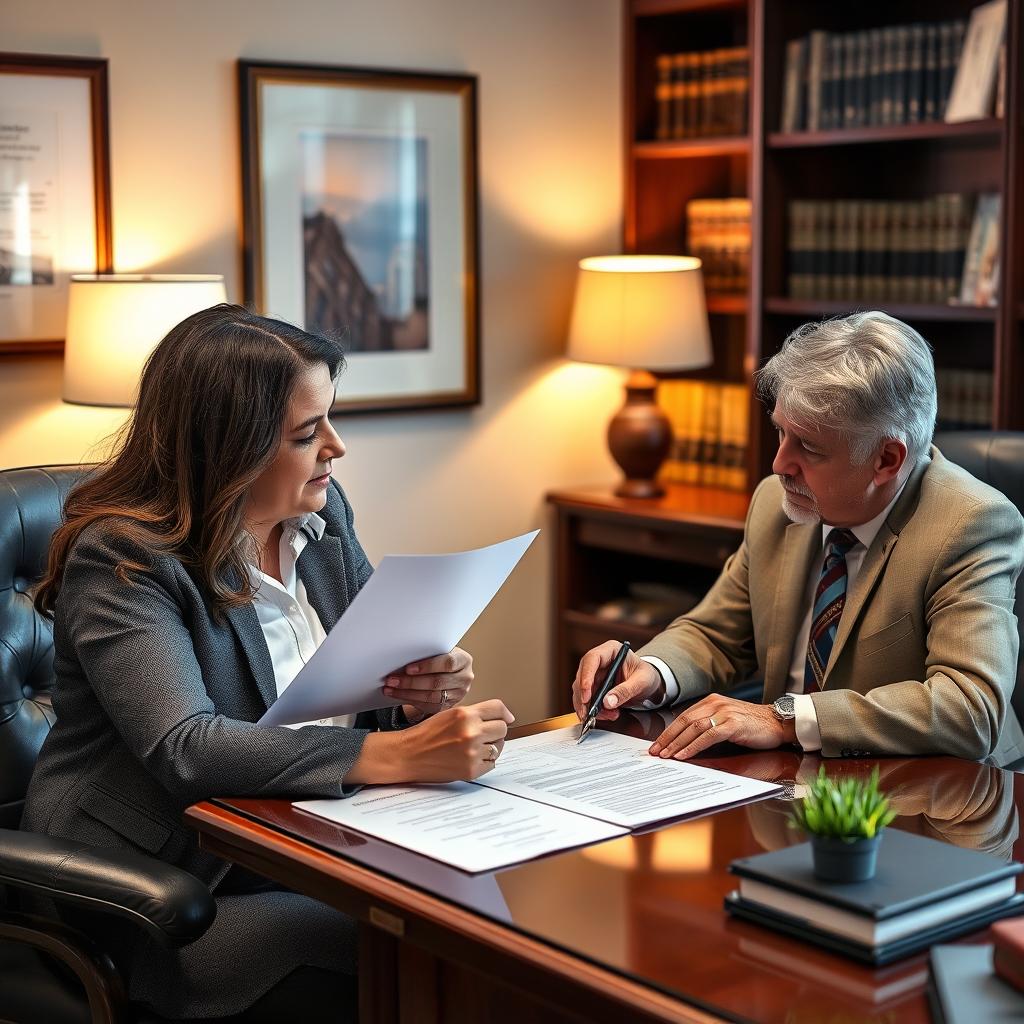
Special Needs Trust Lawyer Southwest Waterfront
A Special Needs Trust Lawyer Southwest Waterfront helps protect public benefits for individuals with disabilities. Law Offices Of SRIS, P.C.—Advocacy Without Borders. provides this essential planning. These lawyers draft trusts that supplement government aid without disqualifying the beneficiary. Proper trust administration is critical in the District of Columbia. A local Southwest Waterfront attorney understands DC-specific statutes and probate court procedures. (Confirmed by SRIS, P.C.)
Statutory Definition of Special Needs Trusts in DC
District of Columbia Code § 21-2203 governs the creation and use of special needs trusts in the District. This statute authorizes a court to establish a trust for a person with a disability. The trust must be for the sole benefit of that individual. Assets held within the trust are not counted for Medicaid or SSI eligibility purposes. The trust must contain specific language required by federal law. It must state that the state is the primary beneficiary for Medicaid repayment upon the beneficiary’s death. This is known as the “payback” provision. Trustees have a fiduciary duty to manage assets prudently. They must provide annual accountings to the court or other oversight entity. Violating these duties can result in removal and personal liability. A Special Needs Trust Lawyer Southwest Waterfront ensures compliance with all DC and federal requirements.
What is the primary purpose of a DC special needs trust?
The primary purpose is to preserve eligibility for means-tested government benefits. These benefits include Medicaid and Supplemental Security Income (SSI). The trust supplements these benefits with additional resources for quality of life. It pays for expenses not covered by public assistance programs. This includes personal care items, education, and recreational activities.
Who can establish a special needs trust in Southwest Waterfront?
A parent, grandparent, legal guardian, or the court can establish a special needs trust. The individual with a disability can also establish a “first-party” trust under specific conditions. This is common when the individual receives a personal injury settlement or inheritance. A disability trust planning lawyer Southwest Waterfront guides the choice of settlor.
What are the key differences between first-party and third-party trusts?
First-party trusts are funded with the disabled individual’s own assets. They require a mandatory Medicaid payback provision upon the beneficiary’s death. Third-party trusts are funded by someone else, like a parent. They do not require a Medicaid payback provision. This allows remaining assets to pass to other family members.
The Insider Procedural Edge for Southwest Waterfront Trusts
Trust matters for Southwest Waterfront residents are filed with the District of Columbia Superior Court, Probate Division. The court is located at 515 5th Street NW, Washington, DC 20001. Procedural specifics for Southwest Waterfront are reviewed during a Consultation by appointment at our Southwest Waterfront Location. Filing a petition to establish a court-ordered trust requires precise documentation. This includes a detailed petition, the proposed trust instrument, and medical evidence of disability. The court may appoint a guardian ad litem to represent the beneficiary’s interests. Timelines for approval depend on court docket schedules and completeness of the filing. Missing a required element causes significant delays. Trustees must often file annual reports detailing all receipts and disbursements. Failure to file these reports can trigger court intervention. A supplemental needs trust lawyer Southwest Waterfront manages this ongoing court interface.
What is the typical timeline for court approval of a trust?
The timeline varies based on court caseload and petition complexity. A direct, well-drafted petition may be reviewed within 60 to 90 days. Contested matters or incomplete filings can extend the process to six months or longer. Early and accurate filing is the best strategy for efficiency. Learn more about Virginia legal services.
The legal process in Southwest Waterfront follows specific procedural requirements that affect case timelines and outcomes. Courts in this jurisdiction apply local rules that may differ from neighboring areas. An attorney familiar with Southwest Waterfront court procedures can identify procedural advantages relevant to your situation.
What ongoing court obligations does a trustee have?
Trustees must typically file an annual accounting with the Probate Division. This accounting details all trust income, expenses, and asset values. The court reviews these accountings to ensure proper fiduciary management. Some trusts may require prior court approval for certain expenditures.
Penalties & Defense Strategies for Trust Administration
The most common penalty for trust mismanagement is surcharge and removal by the court. Trustees who breach their fiduciary duties face personal financial liability. They can be ordered to repay misused funds to the trust. The court can also remove the trustee and appoint a successor.
Virginia law establishes specific statutory frameworks that govern these matters. Each case involves unique factual circumstances that require careful legal analysis. SRIS, P.C. attorneys evaluate every relevant factor when developing case strategy for clients in Southwest Waterfront.
| Issue | Potential Consequence | Notes |
|---|---|---|
| Improper Distributions | Loss of Public Benefits for Beneficiary | A direct cash payment can disqualify the individual from SSI/Medicaid for one or more months. |
| Failure to File Accountings | Court Surcharge & Removal | The court may impose fines and appoint a professional trustee at the trust’s expense. |
| Conflict of Interest | Invalidation of Transactions | Self-dealing, like selling personal property to the trust, can be reversed by the court. |
| Poor Investment Decisions | Personal Liability for Losses | Trustees must follow the “prudent investor” rule standard under DC law. |
[Insider Insight] The DC Attorney General’s Location and court auditors actively review special needs trusts. They focus on ensuring Medicaid repayment provisions are protected. Trustees must maintain careful records. Any distribution that could be construed as “food or shelter” requires careful analysis. A Special Needs Trust Lawyer Southwest Waterfront provides this critical guidance. Learn more about criminal defense representation.
How can a trustee defend against allegations of mismanagement?
A trustee’s best defense is detailed, contemporaneous record-keeping. Every disbursement should have a receipt and a documented purpose related to the beneficiary’s supplemental needs. Regular communication with the beneficiary and family about trust activities is also prudent. Professional trusteeship bonds can provide an additional layer of protection.
Court procedures in Southwest Waterfront require proper documentation and adherence to filing deadlines. Missing a deadline or submitting incomplete filings can negatively impact case outcomes. Working with an attorney who handles cases in Southwest Waterfront courts regularly ensures that procedural requirements are met correctly and on time.
Why Hire SRIS, P.C. for Your Southwest Waterfront Special Needs Trust
Our lead trust attorney has over 15 years of experience drafting and administering special needs instruments in the District of Columbia.
Attorney Profile: Our senior trust planner focuses exclusively on disability and estate planning. This attorney has drafted hundreds of compliant DC special needs trusts. They have represented families before the DC Probate Court for both establishment and accounting matters. Their practice is dedicated to preserving benefits while enhancing life quality.
SRIS, P.C. approaches trust planning with a litigation-aware perspective. We anticipate potential challenges from government agencies or future trustees. Our documents are built to withstand scrutiny. We provide clear instructions to trustees to prevent common administrative errors. Our Southwest Waterfront Location allows for convenient, in-person meetings to discuss sensitive family matters. We coordinate with care managers, social workers, and financial advisors. This holistic approach ensures the trust integrates smoothly with the beneficiary’s overall care plan. You need a lawyer who understands both the law and the human impact. Learn more about DUI defense services.
The timeline for resolving legal matters in Southwest Waterfront depends on multiple factors including case type, court scheduling, and the positions of all parties involved. SRIS, P.C. keeps clients informed throughout the process and works to move cases forward as efficiently as possible.
Localized FAQs for Southwest Waterfront Special Needs Trusts
Can a special needs trust own a home in Southwest Waterfront?
Yes, a special needs trust can own a home. The beneficiary can live in the home rent-free. The trust pays for maintenance, taxes, and insurance. Owning a home does not affect SSI or Medicaid eligibility if structured correctly.
What happens to the trust if the beneficiary moves out of DC?
The trust remains valid if the beneficiary moves. The trustee must comply with the laws of the new state regarding administration. Some states have specific reporting requirements. The trust’s situs, or governing law, is typically set as DC at creation.
How are trust funds invested for a disabled beneficiary?
Trust funds must be invested prudently under DC’s Uniform Prudent Investor Act. The primary goals are preservation of capital and generating reasonable income. Investments should be low-to-moderate risk to ensure funds are available for the beneficiary’s lifetime needs.
Financial implications are often a significant concern in legal proceedings. Virginia courts consider relevant financial factors when making determinations. Proper preparation of financial documentation strengthens your position and supports favorable outcomes in Southwest Waterfront courts. Learn more about our experienced legal team.
Can family members serve as trustee of a special needs trust?
Family members can serve, but it carries risk. They must understand complex benefit rules and fiduciary duties. Many families choose a professional trustee or a co-trustee arrangement for protection and experience.
What is the cost to establish a special needs trust in Southwest Waterfront?
Costs vary based on trust complexity and whether court establishment is required. A third-party trust drafted by an attorney typically involves a flat fee. A first-party trust requiring court petition may involve hourly fees for court representation.
Proximity, CTA & Disclaimer
Our team serves clients throughout the Southwest Waterfront community. Procedural specifics for Southwest Waterfront are reviewed during a Consultation by appointment at our Location. We are accessible to residents near The Wharf and the Maine Avenue Fish Market. Consultation by appointment. Call 703-636-5417. 24/7.
Law Offices Of SRIS, P.C.—Advocacy Without Borders.
Past results do not predict future outcomes.