
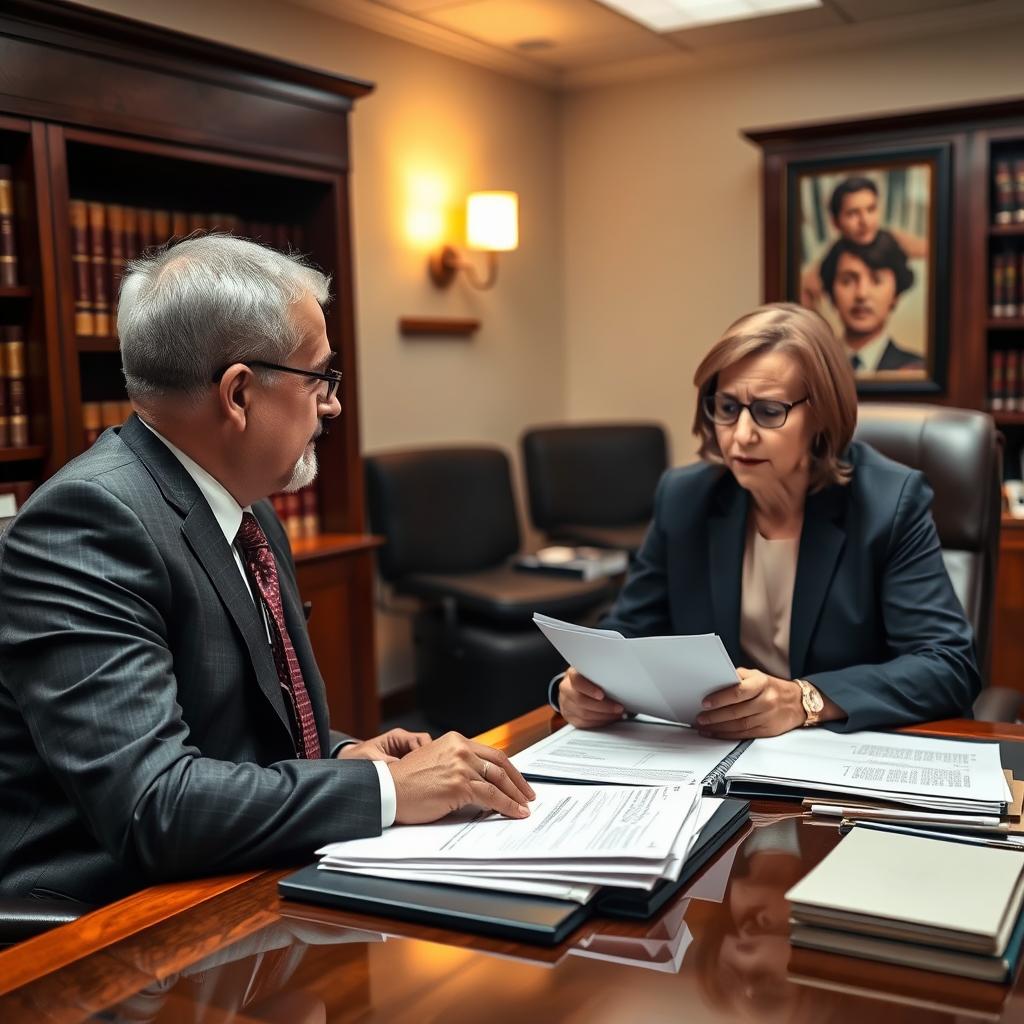
Foundation Lawyer Forest Hills
You need a foundation lawyer Forest Hills for property boundary and structural disputes. Law Offices Of SRIS, P.C. —Advocacy Without Borders. handles these complex real estate matters in the District of Columbia. A foundation lawyer in Forest Hills addresses encroachments, easements, and structural damage claims. SRIS, P.C. provides direct legal counsel for property line and building foundation issues. (Confirmed by SRIS, P.C.)
Statutory Definition of Property and Foundation Law in DC
Foundation and property disputes in Washington, D.C., are governed by District of Columbia Code Title 42, Property. Specific statutes address boundaries, encroachments, and structural support. D.C. Code § 42–101 defines property rights and ownership interests. D.C. Code § 42–202 covers covenants and restrictions affecting land. Disputes over lateral support for foundations fall under common law principles of nuisance and trespass. These laws protect your right to the undisturbed use of your land. Violations can lead to court orders for removal or monetary damages.
A foundation lawyer Forest Hills interprets these statutes for your case. The legal classification is typically a civil action for injunctive relief or damages. The maximum penalty is not a criminal fine but a court order. A judge can order the removal of an encroaching structure. The court can also award financial compensation for damages. Understanding these codes is the first step in protecting your property.
What legal issues does a foundation lawyer handle?
A foundation lawyer handles boundary line disputes and structural encroachments. This includes fences, walls, or building parts crossing your property line. They also address easement rights for access or utilities. A lawyer can resolve disputes over a neighbor’s construction damaging your foundation’s lateral support. Issues with shared retaining walls or drainage are also common. These matters require precise legal analysis of your property deed.
What is the legal basis for a property line dispute in DC?
The legal basis is often trespass or nuisance under D.C. common law. Trespass occurs when a physical object invades your property. Nuisance involves an activity that unreasonably interferes with your use. D.C. Code § 42–101 establishes the fundamental right to exclusive possession. A survey and title search are critical to proving your legal boundary. A foundation lawyer uses this evidence to build your case.
How are damages calculated in a foundation dispute?
Damages are calculated based on the cost of repair or diminution in property value. The cost to remove an encroachment and restore the land is a primary measure. If a structure has caused subsidence or cracks, repair estimates are key. The loss of market value to your property is another calculation. Courts may also consider the cost of obtaining alternative support. A foundation lawyer gathers contractor estimates and appraiser reports.
The Insider Procedural Edge in Forest Hills
Property cases for Forest Hills residents are filed in the District of Columbia Superior Court, Civil Division. The court is located at 500 Indiana Avenue NW, Washington, DC 20001. Procedural specifics for Forest Hills are reviewed during a Consultation by appointment at our Washington, D.C. Location. The timeline from filing to resolution can vary from several months to over a year. Filing fees are set by the court and depend on the type of civil action. A foundation lawyer handles these procedures efficiently. Learn more about Virginia legal services.
The Civil Division handles all real property and tort claims. You must file a complaint stating your legal claim and the relief sought. The defendant then has a specific period to file an answer. Discovery follows, where both sides exchange evidence and take depositions. Many cases settle during mediation ordered by the court. If not, the case proceeds to a bench trial before a judge.
What is the typical timeline for a property dispute case?
A typical property dispute can take nine to eighteen months to resolve. The initial pleadings phase lasts about three to four months. Discovery can extend another six to eight months. Court-ordered mediation may add a few months to the schedule. If a trial is necessary, scheduling can cause further delays. A foundation lawyer in Forest Hills works to expedite the process where possible.
What are the court filing fees for a civil action?
Filing fees for a civil action in D.C. Superior Court start at over one hundred dollars. The exact fee depends on the nature of the claim and the amount sought. There are additional fees for motions, subpoenas, and other filings. Fee waivers are available for qualifying individuals based on income. Your foundation lawyer will provide the exact current fee schedule during your consultation.
Which court division handles foundation and property law?
The Civil Division of the D.C. Superior Court handles foundation and property law. This division has a Civil Actions branch for general lawsuits. It also has a Landlord and Tenant branch for some related issues. Complex property cases may be assigned to a specialized case management track. A foundation lawyer Forest Hills files all necessary documents in the correct division.
Penalties & Defense Strategies in Property Disputes
The most common penalty is a court order for removal of the encroaching structure. This is not a criminal penalty but a civil injunction. The court can also award monetary damages for harm caused. Costly repairs to a damaged foundation can be ordered. The losing party may also be required to pay the other side’s legal fees. A strong defense is essential to avoid these outcomes. Learn more about criminal defense representation.
| Offense / Issue | Potential Penalty / Outcome | Notes |
|---|---|---|
| Structural Encroachment | Court Order for Removal | Neighbor must remove fence, wall, or building part. |
| Damage to Lateral Support | Monetary Damages for Repair | Covers cost of foundation repairs and stabilization. |
| Violation of Easement | Injunction to Restrict Access | Court order to stop unauthorized use of your land. |
| Boundary Line Trespass | Damages & Permanent Injunction | Financial award and order to stay off your property. |
| Failure to Comply with Court Order | Contempt of Court Fines | Additional daily fines until the order is obeyed. |
[Insider Insight] Local prosecutors do not handle these civil matters. However, D.C. judges expect clear evidence like professional surveys. They often push for mediated settlements between neighbors. Presenting a precise survey can decisively shift use in your favor. Judges have little patience for vague claims about property lines.
Can I be forced to remove part of my building?
Yes, a court can order you to remove a building part over the boundary. This is a common remedy for a proven encroachment. The order is mandatory if the intrusion is significant. Minor encroachments might be resolved with an easement agreement. The key is the location established by a certified property survey. A foundation lawyer can negotiate alternatives to demolition.
What are the long-term consequences of a property judgment?
A property judgment becomes a public record tied to your land title. This can affect future sales or refinancing of your property. A judgment for damages may require a lien against your property. Losing a case can establish legal precedents with your neighbor. It may also impact your relationship with other neighbors. Resolving matters correctly the first time is critical.
How can a lawyer defend against a property claim?
A lawyer defends by challenging the accuracy of the neighbor’s survey. They may prove you have a prescriptive easement through long-term use. Defense can involve showing the claim is barred by the statute of limitations. Your lawyer might demonstrate the neighbor suffered no actual damages. Asserting that the work was necessary for lateral support is another defense. A foundation lawyer examines every angle of the dispute.
Why Hire SRIS, P.C. for Your Foundation Dispute
Our lead attorney for property matters has extensive litigation experience in D.C. courts. Learn more about DUI defense services.
Our legal team includes attorneys skilled in real property law. They understand the D.C. Code and local court procedures. We analyze property surveys, titles, and construction records. We prepare cases for mediation or trial with thorough evidence. SRIS, P.C. focuses on achieving practical resolutions for clients. We provide direct communication about your case strategy and options.
SRIS, P.C. has a Location in Washington, D.C. to serve Forest Hills residents. We are familiar with the specific character of neighborhood property issues. Our approach is to assess the legal and practical realities quickly. We then advise you on the most efficient path forward. Hiring a foundation lawyer Forest Hills from our firm means getting focused representation. We handle the legal process so you can focus on your home and family.
Localized FAQs for Forest Hills Property Owners
What does a foundation lawyer in Forest Hills do?
A foundation lawyer in Forest Hills resolves legal disputes about property boundaries and structural issues. They handle encroachments, easements, and damage to building foundations. They represent you in D.C. Superior Court or in settlement negotiations.
How do I find a property line lawyer near me in Washington?
SRIS, P.C. has a Location in Washington, D.C. to serve Forest Hills. You can contact us for a Consultation by appointment to discuss your property line dispute. We provide legal counsel for residents in the Forest Hills area.
What is the cost of hiring a foundation attorney?
The cost depends on your case’s complexity, often billed at an hourly rate. Some cases may involve a flat fee for specific services. We discuss fee structures during your initial Consultation by appointment. Learn more about our experienced legal team.
Can a neighbor build a fence on my property in DC?
No, a neighbor cannot legally build a fence on your property without permission. If they do, it is an encroachment and a trespass. You have legal rights to seek its removal through the court.
How long do I have to sue for property damage in DC?
The statute of limitations for property damage in D.C. is typically three years. The clock starts when the damage is discovered or should have been discovered. Do not delay in seeking legal advice.
Proximity, CTA & Disclaimer
Our Washington, D.C. Location serves clients in the Forest Hills community. Forest Hills is a residential neighborhood in Northwest Washington, D.C. It is known for its wooded lots and varied architectural styles. Property line clarity is essential in such established neighborhoods. SRIS, P.C. is accessible for residents facing property legal issues.
Consultation by appointment. Call 24/7. Discuss your foundation or property dispute with our legal team. We offer a case review to evaluate your situation.
Law Offices Of SRIS, P.C.
—Advocacy Without Borders.
Washington, D.C. Location
Past results do not predict future outcomes.