
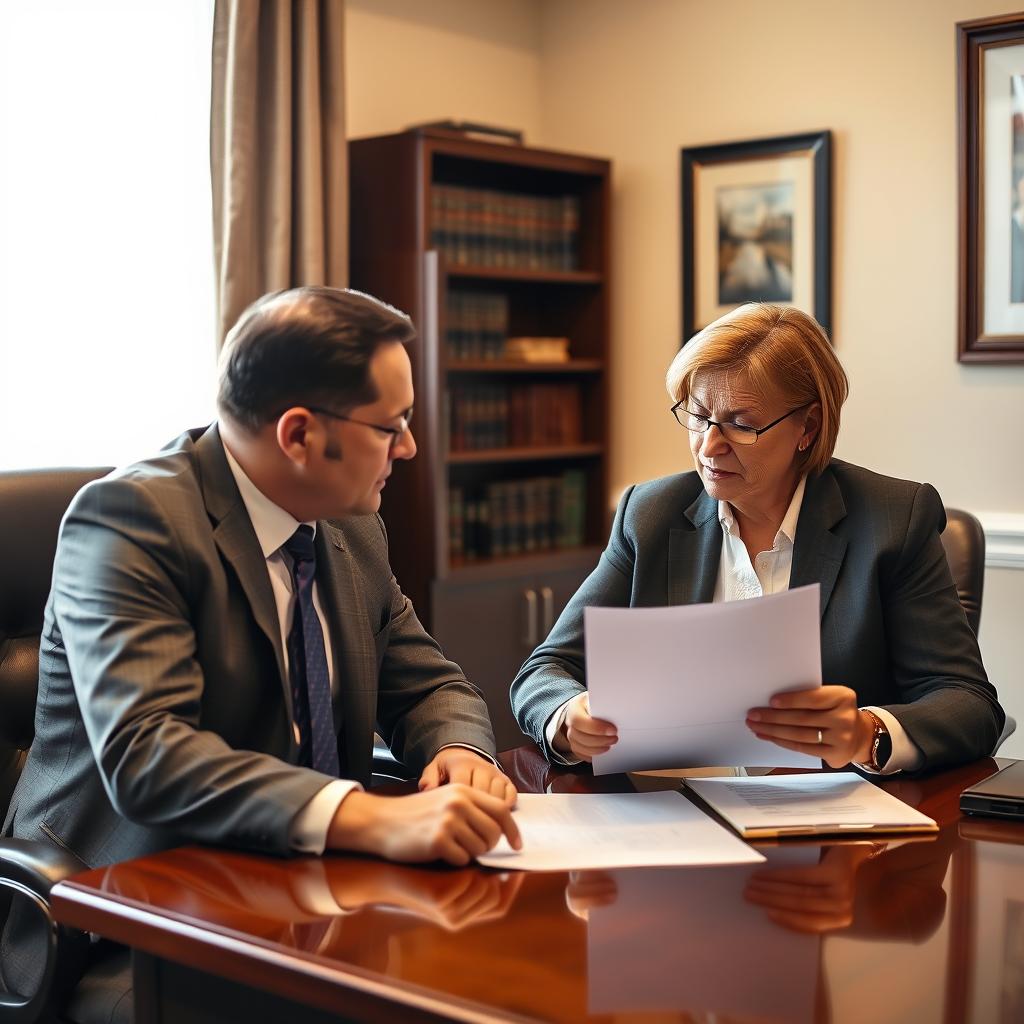
Estate Planning Lawyer Saratoga County
An Estate Planning Lawyer Saratoga County drafts legal documents to control asset distribution after death. This includes wills, trusts, powers of attorney, and healthcare directives. Proper planning avoids probate disputes and reduces tax burdens for your heirs. Law Offices Of SRIS, P.C.—Advocacy Without Borders. provides this essential service. Our Saratoga County Location handles all aspects of New York estate law. (Confirmed by SRIS, P.C.)
Statutory Definition of Estate Planning in New York
Estate planning in Saratoga County operates under New York State statutes, not a single criminal code. The process is governed by the New York Estates, Powers and Trusts Law (EPTL) and the Surrogate’s Court Procedure Act (SCPA). These laws define how assets are transferred, how wills are validated, and how trusts are administered. Failure to plan correctly can lead to intestate succession under EPTL 4-1.1, where state law dictates who inherits. This often conflicts with a person’s actual wishes. A proper estate plan ensures your specific instructions are followed.
EPTL § 3-1.1 — Testamentary Capacity — No Penalty. This statute sets the legal standard for creating a valid will in New York. The testator must be at least 18 years old and of “sound mind and memory.” Sound mind means understanding the nature of the act, the extent of property, and the natural objects of one’s bounty. A will drafted under undue influence or fraud is voidable. An Estate Planning Lawyer Saratoga County ensures your documents meet this capacity standard to prevent future challenges in Surrogate’s Court.
What are the core documents in a New York estate plan?
A thorough estate plan includes four key documents. A Last Will and Testament directs asset distribution and names guardians for minor children. A Revocable Living Trust manages assets during life and avoids probate after death. A Durable Power of Attorney appoints someone to handle financial matters if you become incapacitated. A Healthcare Proxy and Living Will outline medical wishes and appoint a healthcare agent. Each document serves a distinct legal purpose under New York law. An estate planning attorney in Saratoga County drafts these to work together smoothly.
How does New York law treat intestate succession?
Intestate succession occurs when you die without a valid will. New York’s intestacy laws (EPTL 4-1.1) provide a rigid formula for asset distribution. A surviving spouse typically receives the first $50,000 plus half of the remaining balance. The rest goes to children or other descendants. If there is no spouse or children, assets pass to parents, then siblings. This statutory formula may exclude unmarried partners, close friends, or charities you wish to benefit. Drafting a will with a Saratoga County lawyer is the only way to override this default plan.
What is the role of the Saratoga County Surrogate’s Court?
The Saratoga County Surrogate’s Court oversees all probate and estate administration proceedings. This court validates wills, appoints executors, and adjudicates any disputes among heirs. The process is formal and requires strict adherence to the SCPA. Executors must file petitions, inventory assets, notify creditors, and obtain court approval for distributions. Without proper guidance, this process can be lengthy and costly for your family. A will and trust drafting lawyer Saratoga County prepares documents to simplify or avoid Surrogate’s Court involvement altogether. Learn more about Virginia legal services.
The Insider Procedural Edge in Saratoga County
Estate matters in Saratoga County are filed at the Saratoga County Surrogate’s Court. The address is 30 McMaster Street, Ballston Spa, NY 12020. This court handles probate, guardianships, and trust proceedings. Local procedural rules require original wills to be filed with the court clerk promptly after death. The executor named in the will must petition the court for letters testamentary. These letters grant the legal authority to manage the estate. Filing fees vary based on the size and complexity of the estate. Procedural specifics for Saratoga County are reviewed during a Consultation by appointment at our Saratoga County Location.
What is the typical timeline for probate in Saratoga County?
Informal probate for a direct estate can take seven to twelve months. The timeline starts when the executor files the petition and the original will. The court must then issue citations to all necessary parties, including heirs and creditors. New York law provides a seven-month creditor claim period from the date the executor is appointed. Estate taxes, if applicable, must also be addressed before closing. Contested estates or those with complex assets can take several years to resolve. A thorough estate plan lawyer Saratoga County structures assets to minimize this timeline.
What are the common filing fees for estate proceedings?
Filing fees in Saratoga County Surrogate’s Court are based on estate value. For estates valued under $10,000, the fee is typically a nominal amount. Estates between $10,000 and $20,000 incur higher fees. For estates over $500,000, the fee structure involves a percentage of the total value. There are separate fees for filing a petition, issuing citations, and accounting proceedings. These costs are paid from the estate assets before distribution to heirs. An experienced attorney can provide the exact fee schedule during a case review.
Penalties & Defense Strategies for Poor Planning
The most common penalty for poor estate planning is the loss of control and increased costs. Without a plan, your assets are distributed by a state formula, not your wishes. This can lead to family disputes, unnecessary taxes, and lengthy court proceedings. The estate may pay higher administration fees and legal costs. Heirs might also face unexpected inheritance tax consequences. Proper planning with a skilled attorney is the primary defense against these outcomes. Learn more about criminal defense representation.
| Offense / Issue | Penalty / Consequence | Notes |
|---|---|---|
| Intestacy (No Will) | Assets distributed per EPTL 4-1.1; spouse gets $50k + 1/2 balance. | Excludes unmarried partners, friends, charities. |
| Invalid Will (Lack of Capacity) | Will is voided; estate treated as intestate. | Based on challenges from disinherited heirs. |
| No Healthcare Proxy | Family must petition court for guardianship for medical decisions. | Costly, public, and delays critical care. |
| No Durable Power of Attorney | Court-appointed conservator manages finances if incapacitated. | Involves ongoing court supervision and reporting. |
| Improper Trust Funding | Assets bypass trust and go through probate. | Defeats the primary purpose of creating the trust. |
[Insider Insight] Saratoga County Surrogate’s Court judges expect precise, properly executed documents. Local practitioners note that petitions with technical errors or missing documentation face delays. The court scrutinizes wills signed under suspicious circumstances, especially when a new will disinherits close family. Having an attorney ensure formal execution with disinterested witnesses is critical. Proactive planning is always more effective than reactive litigation after a dispute arises.
How can a trust help avoid probate penalties?
A fully funded revocable living trust avoids the probate process entirely. Assets titled in the name of the trust pass directly to named beneficiaries upon death. This transfer happens privately, without court involvement. It saves time, reduces public disclosure of assets, and lowers administrative costs. The trust also provides a smooth mechanism for managing assets if you become incapacitated. A will and trust drafting lawyer Saratoga County ensures your assets are properly titled to the trust.
What are the tax implications for Saratoga County estates?
New York has its own estate tax with a cliff. For deaths in 2024, the exemption is $6.94 million. Estates valued above this amount pay tax on the entire value, not just the excess. This “cliff” makes planning essential for estates near the threshold. There are also potential income tax considerations for trusts and beneficiaries. Proper planning can use marital deductions, charitable gifts, and lifetime gifting strategies to minimize tax exposure. An Estate Planning Lawyer Saratoga County analyzes these implications for your specific situation.
Why Hire SRIS, P.C. for Your Estate Plan
Our lead attorney for estate planning matters has over fifteen years of experience in fiduciary law. This attorney focuses on creating legally sound documents that withstand challenges. We understand the specific requirements of Saratoga County Surrogate’s Court. Our approach is to build a plan that reflects your unique family and financial situation. We draft clear, enforceable wills, trusts, and powers of attorney. Our goal is to provide peace of mind through careful preparation. Learn more about DUI defense services.
Attorney Profile: Our seasoned estate planning attorney is well-versed in New York’s EPTL and SCPA. This attorney has guided numerous Saratoga County families through the planning and administration process. The focus is on preventing future disputes and minimizing tax liabilities. Credentials include ongoing education in trust and estate law. This ensures strategies are current with New York legislation and court rulings.
SRIS, P.C. brings a disciplined, detail-oriented approach to estate planning. We do not use generic templates. Each plan is customized after a thorough review of your assets, family dynamics, and goals. We explain complex legal concepts in direct terms. Our Saratoga County Location is dedicated to serving clients in this community. We prepare your documents with the foresight needed to avoid common pitfalls. You need an advocate who understands the finish line.
Localized Saratoga County Estate Planning FAQs
Do I need a will if I have a small estate in Saratoga County?
Yes. A will controls who receives personal items and names an executor. Without one, even a small estate follows New York’s intestacy law. This can cause unnecessary family conflict over sentimental assets.
What is the difference between a will and a living trust in New York?
A will takes effect only after death and must go through probate court. A living trust manages assets during life and after death, avoiding probate. A trust also provides for management if you become incapacitated. Learn more about our experienced legal team.
How often should I update my estate plan in Saratoga County?
Review your plan every three to five years or after major life events. These events include marriage, divorce, birth of a child, or significant change in assets. New York law changes may also necessitate updates.
Can I name a guardian for my children in my New York will?
Yes. A will is the primary document to nominate a guardian for minor children. The Saratoga County Family Court gives great weight to this nomination, though it must approve the appointment.
What happens to my out-of-state property with a New York will?
Out-of-state real estate typically requires an ancillary probate proceeding in that state. A revocable living trust that holds title to the property can often avoid this second probate process entirely.
Proximity, CTA & Disclaimer
Our Saratoga County Location serves clients throughout the region, including Ballston Spa, Saratoga Springs, and Mechanicville. We are positioned to assist with filings at the Saratoga County Surrogate’s Court. Consultation by appointment. Call 24/7. For estate planning guidance, contact SRIS, P.C. at our dedicated line. We provide direct legal counsel for wills, trusts, and probate matters in New York.
Law Offices Of SRIS, P.C. —Advocacy Without Borders.
Consultation by appointment. Call [phone]. 24/7.
Past results do not predict future outcomes.