
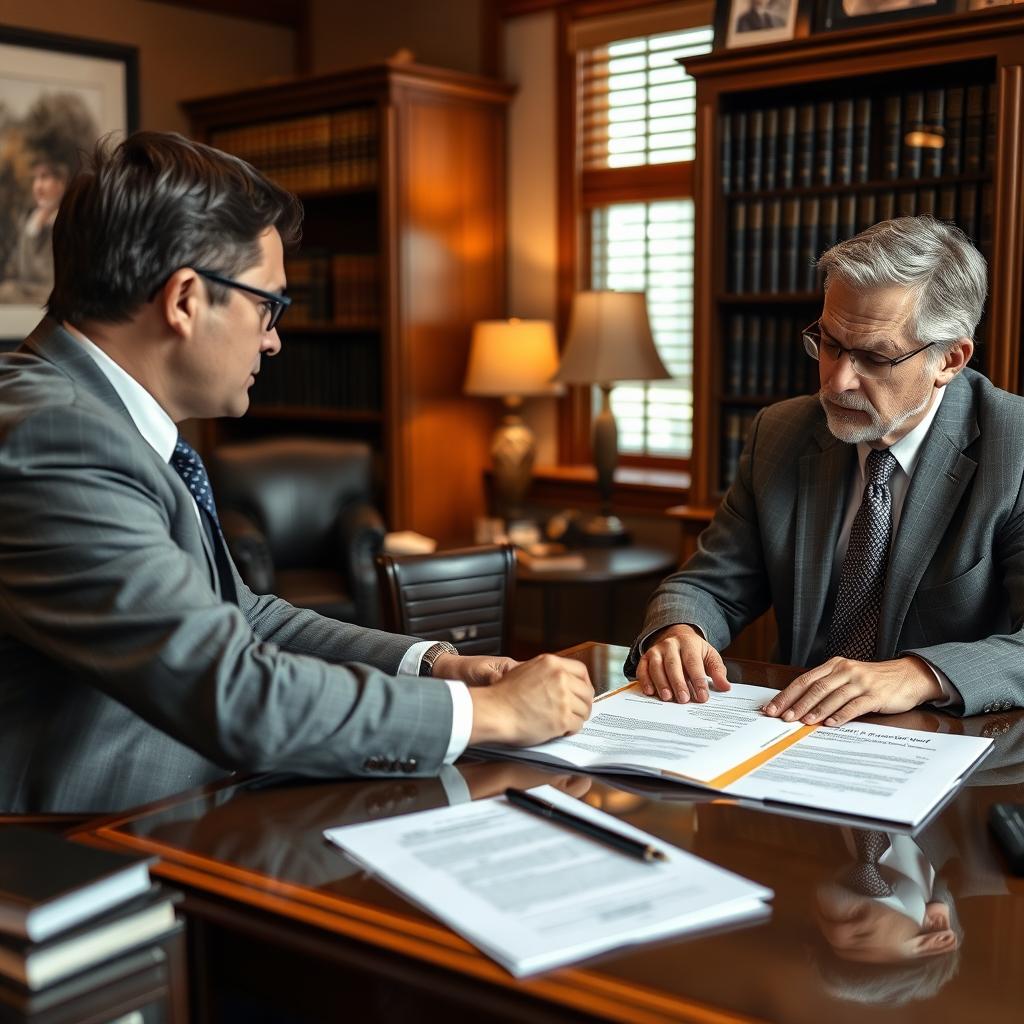
Estate Planning Lawyer Wyoming County
An Estate Planning Lawyer Wyoming County manages the legal transfer of your assets and healthcare wishes under New York law. This process involves drafting wills, trusts, powers of attorney, and healthcare directives. Law Offices Of SRIS, P.C. —Advocacy Without Borders. provides direct counsel for Wyoming County residents. We handle probate avoidance and asset protection strategies. (Confirmed by SRIS, P.C.)
Statutory Definition of Estate Planning in New York
Estate planning in Wyoming County is governed by New York State statutes, primarily the Estates, Powers and Trusts Law (EPTL) and the Surrogate’s Court Procedure Act (SCPA). These laws define the instruments for transferring property and managing affairs. The core documents include a last will and testament, various trusts, durable powers of attorney, and healthcare proxies. Failure to have a valid plan means state intestacy laws control asset distribution. This can lead to unwanted outcomes and family disputes.
New York law provides the framework for all estate plans. The EPTL Article 3 outlines rules for wills and testamentary substitutes. The SCPA governs the probate and administration process in Surrogate’s Court. A thorough estate plan lawyer Wyoming County uses these statutes to build protective structures. These structures manage taxes and avoid lengthy court proceedings. The goal is to ensure your specific wishes are carried out precisely.
What legal documents are essential for a Wyoming County estate plan?
A will, durable power of attorney, healthcare proxy, and living will form the essential core. A last will and testament directs asset distribution and names guardians. A durable power of attorney for finances appoints someone to manage your affairs if you become incapacitated. A healthcare proxy and living will address medical decisions. A trust lawyer Wyoming County may add revocable or irrevocable trusts for probate avoidance.
How does New York law define a valid will?
New York EPTL 3-2.1 requires a written will signed by the testator and two attesting witnesses. The testator must be at least 18 years old and of sound mind. The witnesses must sign in the testator’s presence and in each other’s presence. Holographic (handwritten) wills are not recognized unless made by members of the armed forces. A will and trust drafting lawyer Wyoming County ensures strict compliance with these formalities.
What is the role of the Surrogate’s Court in estate administration?
The Wyoming County Surrogate’s Court validates wills and oversees the administration of estates. The court appoints executors named in a will or administrators for intestate estates. It issues letters testamentary or letters of administration, granting legal authority. The court also handles probate proceedings, accounting filings, and resolves disputes among beneficiaries. An estate planning attorney guides clients through this judicial process.
The Insider Procedural Edge in Wyoming County
The Wyoming County Surrogate’s Court is located at 147 North Main Street, Warsaw, NY 14569. This court handles all probate, estate administration, and guardianship matters for the county. Procedural rules are strict and deadlines are firm. Filing fees vary based on the type of proceeding and the estate’s value. A local estate planning lawyer understands the court’s specific preferences and timelines.
Knowing the local court procedures is a critical advantage. The Surrogate’s Court in Warsaw operates under the SCPA and local rules. Documents must be prepared and filed with precision. Common filings include petitions for probate, administration, and accounting. The court clerk can provide forms but not legal advice. Procedural missteps can cause significant delays and increased costs for an estate. Learn more about Virginia legal services.
What are the typical steps and timeline for probate in Wyoming County?
Probate in Wyoming County typically takes nine to eighteen months from filing to closing. The executor files the original will and a petition for probate with the Surrogate’s Court. Notice must be given to all interested parties as required by law. After the will is admitted to probate, the executor collects assets, pays debts, and files tax returns. The final step is distributing assets to beneficiaries and filing a final accounting.
What are the court filing fees for estate matters?
Filing fees in Wyoming County Surrogate’s Court are set by New York State law. A petition for probate or administration has a fee based on the estate’s value. For example, estates valued under $10,000 may have a nominal fee. Estates over $500,000 incur higher filing costs. Additional fees apply for issuing letters, filing accountings, and other motions. An attorney provides exact fee calculations during a case review.
How can a thorough estate plan avoid Surrogate’s Court proceedings?
A properly funded revocable living trust avoids the probate process entirely. Assets titled in the name of the trust bypass Surrogate’s Court. Joint ownership with rights of survivorship and beneficiary designations also avoid probate. A thorough estate plan lawyer Wyoming County structures asset ownership to minimize court involvement. This saves time, reduces public disclosure, and lowers administrative costs for your heirs.
Penalties of Poor Planning & Defense Strategies
The most common penalty for poor estate planning is the unintended distribution of assets under New York’s intestacy laws. Without a will, your estate passes to statutory heirs, which may exclude partners or close friends. This can also trigger unnecessary taxes and court-supervised guardianships. Family conflicts often arise, leading to costly and emotionally draining litigation in Surrogate’s Court.
| Issue | Consequence | Notes |
|---|---|---|
| Intestacy (No Will) | Assets distributed by NY EPTL 4-1.1 | Spouse and children split estate; partners get nothing. |
| Invalid Will | Full intestacy proceedings | Formal execution errors void the document. |
| No Healthcare Proxy | Guardianship proceeding (SCPA Article 17) | Court appoints a guardian for medical decisions. |
| No Power of Attorney | Guardianship for property (SCPA Article 17) | Costly court process to manage finances. |
| Unplanned Tax Liability | New York Estate Tax (over $6.94M in 2024) | Proper planning can minimize or eliminate this tax. |
[Insider Insight] The Wyoming County Surrogate’s Court and local attorneys see frequent disputes from poorly drafted DIY wills and outdated plans. The court strictly enforces execution formalities. A missing witness signature can invalidate an entire will. The court also scrutinizes powers of attorney for proper notarization. Having a legally sound plan prepared by counsel is the strongest defense against these outcomes.
What are the financial costs of not having an estate plan?
Intestate administration often costs more than probate with a will. Court fees, bond premiums, and legal fees for mandatory procedures add up. The process is also slower, freezing assets for a longer period. Potential New York estate tax liabilities may be higher without planning strategies. These unnecessary expenses directly reduce the inheritance your beneficiaries receive. Learn more about criminal defense representation.
How does a trust protect assets compared to a simple will?
A trust provides direct control over asset distribution timing and conditions. It avoids the public probate process, maintaining privacy. Trusts can offer protection from beneficiaries’ creditors and divorce proceedings. They can also manage assets for minors or individuals with special needs. A will and trust drafting lawyer Wyoming County integrates these tools for stronger protection.
What happens if I become incapacitated without a plan?
Your family must petition the Wyoming County Surrogate’s Court for a guardianship. This is a public, adversarial proceeding requiring medical evidence. The court appoints a guardian to control your finances and healthcare. This process is expensive, time-consuming, and strips you of personal choice. A durable power of attorney and healthcare proxy prevent this entirely.
Why Hire SRIS, P.C. for Your Wyoming County Estate Plan
Our lead counsel for estate matters in Western New York has over fifteen years of focused experience in trust and probate law. We apply a practical, results-oriented approach to estate planning. We draft clear, enforceable documents specific to New York law and Wyoming County procedures. Our goal is to create a smooth transition for your family while protecting your legacy.
Lead Estate Planning Attorney: Our managing attorney for New York matters is a member of the New York State Bar Association. This attorney focuses on estate planning, probate, and elder law. We have assisted numerous Wyoming County families with wills, trusts, and estate administration. We understand the local court’s expectations and procedural nuances.
SRIS, P.C. provides direct access to your attorney. We explain legal concepts in plain terms. We prepare all necessary documents, from simple wills to complex trust structures. We ensure your plan addresses family dynamics, business interests, and potential tax implications. We stand behind our work and are available to guide your executor when needed. Our firm offers experienced legal team support for all stages of planning.
Localized Wyoming County Estate Planning FAQs
How much does an estate planning lawyer cost in Wyoming County?
Costs vary based on plan complexity. A simple will package may have a flat fee. Complex plans with trusts are typically billed at an hourly rate. We provide a clear fee estimate after an initial Consultation by appointment. Learn more about DUI defense services.
Do I need a lawyer to create a will in New York?
New York law allows you to create your own will. However, the formal execution requirements are strict. A missing witness or improper signature can invalidate it. An estate planning lawyer ensures validity and addresses all legal issues.
What is the difference between probate and non-probate assets?
Probate assets are solely in your name and require court transfer. Non-probate assets bypass probate via joint ownership, beneficiary designations, or trust ownership. Examples include life insurance, IRAs, and jointly held real estate.
How often should I update my estate plan?
Review your plan every three to five years or after major life events. These events include marriage, divorce, birth of a child, significant asset change, or a move to a new state. New tax laws may also necessitate updates.
What is a living will and do I need one?
A living will (healthcare directive) states your wishes for end-of-life medical care. It guides decisions if you cannot communicate. New York recognizes these documents. It works with your healthcare proxy to ensure your medical wishes are respected.
Proximity, Consultation & Disclaimer
SRIS, P.C. serves clients throughout Wyoming County, New York. Our attorneys are familiar with the Wyoming County Surrogate’s Court in Warsaw. We advise on New York-specific estate planning strategies. Consultation by appointment. Call 24/7 to schedule a case review. We discuss your assets, family goals, and concerns. We then outline a clear path forward for your estate plan.
Law Offices Of SRIS, P.C.—Advocacy Without Borders.
Consultation by appointment. Call 24/7.
Past results do not predict future outcomes.