
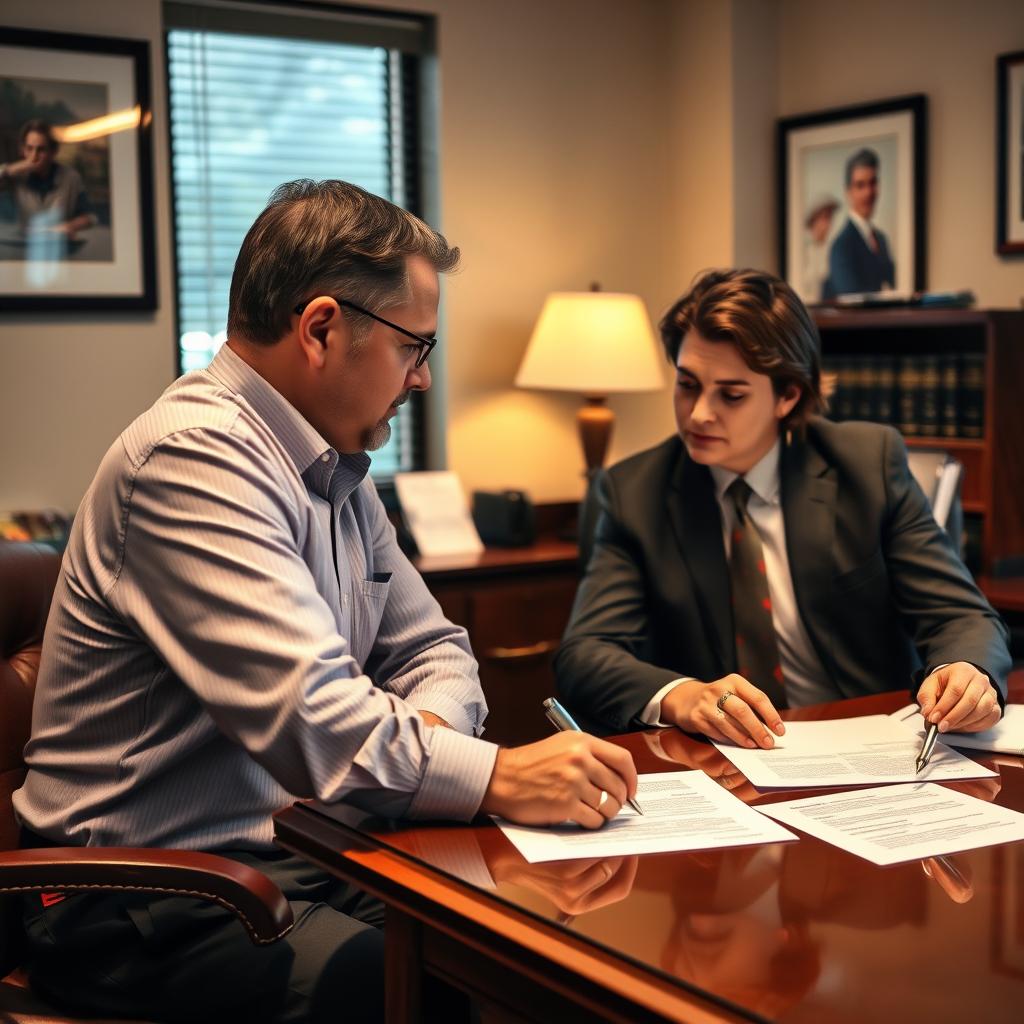
Estate Planning Lawyer Yates County
An Estate Planning Lawyer Yates County handles the legal process of preparing for asset distribution and healthcare decisions. This involves drafting wills, trusts, powers of attorney, and healthcare directives under New York law. Law Offices Of SRIS, P.C. —Advocacy Without Borders. provides focused counsel for Yates County residents. Proper planning protects your family and ensures your wishes are followed. (Confirmed by SRIS, P.C.)
Statutory Definition of Estate Planning in New York
Estate planning in Yates County operates under New York State statutes, not a single penal code. The legal framework is defined by the New York Estates, Powers and Trusts Law (EPTL) and the Surrogate’s Court Procedure Act (SCPA). These laws govern wills, trusts, intestacy, and fiduciary duties. The Surrogate’s Court has exclusive jurisdiction over probate and estate administration. Failing to plan means state law dictates your asset distribution. This is known as dying intestate. The court appoints an administrator under a statutory formula. This process is often slower and more costly than a planned estate. A will and trust drafting lawyer Yates County uses these statutes to create enforceable documents. Key statutes include EPTL 3-2.1 for will execution formalities. SCPA Article 17 covers the probate process. New York also has specific laws for powers of attorney under General Obligations Law Article 5, Title 15. Healthcare proxies are authorized under Public Health Law Article 29-C. Trusts are governed by EPTL Article 7. Understanding this web of laws is critical for a valid plan.
EPTL 3-2.1 — Will Execution — Formal Requirements. A will must be in writing, signed by the testator, and attested by at least two witnesses who sign within 30 days of each other in the testator’s presence.
What are the formal requirements for a valid will in Yates County?
A valid will in Yates County requires strict adherence to EPTL 3-2.1. The testator must sign the will at the end. Two competent witnesses must watch the testator sign or acknowledge the signature. Those witnesses must then sign the will themselves. All of this must happen within a single continuous ceremony. Holographic wills written in the testator’s hand are not recognized in New York. Nuncupative oral wills are only valid for members of the armed forces during armed conflict. Any deviation risks the will being declared invalid. This leads to intestate administration.
What happens if I die without a will in Yates County?
Your estate is distributed by the New York intestacy statute, EPTL 4-1.1. The Surrogate’s Court appoints an administrator, not your chosen executor. Spouses and children receive shares according to a fixed formula. If you have a spouse and children, your spouse gets the first $50,000 plus half of the balance. Your children split the remaining half. If you have no spouse or children, assets pass to parents, then siblings. Unrelated individuals or charities receive nothing under intestacy. The court process is public and can invite family disputes. A thorough estate plan lawyer Yates County avoids this outcome.
What is the role of the Yates County Surrogate’s Court?
The Yates County Surrogate’s Court oversees all probate and estate administration proceedings. This court validates wills through the probate process. It also appoints administrators for intestate estates. The court supervises executors and trustees to ensure they fulfill their fiduciary duties. It handles accounting proceedings and resolves will contests. Any legal dispute regarding an estate or trust is filed in this court. Its procedures are detailed in the Surrogate’s Court Procedure Act. handling this court requires understanding its specific local rules and practices.
The Insider Procedural Edge in Yates County
The Yates County Surrogate’s Court is located at 415 Liberty Street, Penn Yan, NY 14527. This court handles all probate, administration, and trust matters for the county. Filing a petition for probate typically initiates the estate settlement process. The required filing fee varies based on the estate’s size. For estates under $10,000, the fee is currently $1.00. For estates over $500,000, the fee is $1,250. Exact current fees must be verified with the court clerk. The procedural timeline from filing to closing an estate can range from several months to over a year. This depends on the estate’s complexity and if any objections are filed. The court requires detailed inventories and accountings. All interested parties must receive formal notice. The local procedural temperament emphasizes strict adherence to statutory timelines and documentation. Missing a deadline can cause significant delays. Having local counsel familiar with the court’s staff and judges is a distinct advantage. Learn more about Virginia legal services.
What is the typical timeline for probate in Yates County?
A direct probate case in Yates County can take seven to twelve months. The initial petition is filed with the death certificate and original will. The court schedules a probate hearing, usually within a few weeks. After the will is admitted to probate, letters testamentary are issued to the executor. The executor then has seven months to locate creditors and pay valid claims. Filing the executor’s accounting and petition for final distribution closes the estate. Any will contest or dispute can extend this timeline by years. Efficient handling requires prompt action from the estate’s representative.
What are the key filing fees for estate proceedings?
Filing fees in Yates County Surrogate’s Court are mandatory and non-negotiable. The fee structure is based on the gross value of the estate’s assets. Small estates under $10,000 incur a nominal $1.00 fee. Estates valued between $10,000 and $20,000 have a $35 fee. For estates between $500,000 and $1 million, the fee is $1,250. Estates over $1 million pay a $2,250 filing fee. These fees are paid at the time the initial petition is filed. They are separate from any legal fees for our experienced legal team.
Penalties of Poor Planning & Defense Strategies
The most common penalty for poor estate planning is the loss of control and increased costs for your heirs. Without a plan, your assets are distributed by the state’s intestacy law. This may exclude partners, friends, or charities you care about. The court process is public, exposing your family’s financial details. Administration costs and executor fees are often higher for intestate estates. New York’s estate tax may apply to estates exceeding the exemption amount, which is $6.94 million for 2024. Proper planning can minimize or eliminate this tax burden. A contested estate can drain assets through years of litigation. A well-drafted plan is your primary defense against these outcomes.
| Offense / Issue | Penalty / Consequence | Notes |
|---|---|---|
| Dying Intestate (No Will) | State-mandated asset distribution; Spouse gets $50k + 1/2 balance; Children split remainder. | Excludes unmarried partners, stepchildren, and charities. |
| Invalid Will Execution | Will is void; Estate treated as intestate. | Strict compliance with EPTL 3-2.1 witness requirements is mandatory. |
| No Healthcare Proxy | Family may need court order for medical decisions. | Public Health Law Article 29-C allows appointment of a healthcare agent. |
| No Power of Attorney | Costly guardianship proceeding required if incapacitated. | General Obligations Law Article 5, Title 15 governs statutory short-form power of attorney. |
| Estate Tax Liability | Tax due on estate value over $6.94M (2024) at rates up to 16%. | Proper trust planning can shield assets from this tax. |
[Insider Insight] The Yates County Surrogate’s Court expects precise, complete paperwork. Petitions with errors or omissions are routinely rejected, causing delays. The court clerk’s Location can provide forms but cannot give legal advice. Local judges appreciate when counsel is thoroughly prepared and respects court schedules. Procedural missteps are not easily forgiven. Having an attorney who knows the local expectations is a critical advantage in efficiently settling an estate.
How can a trust help avoid probate in Yates County?
A properly funded revocable living trust avoids the Surrogate’s Court probate process entirely. Assets titled in the name of the trust pass directly to named beneficiaries. This transfer happens privately, without court involvement. It can be faster and less expensive than probate. Trusts also provide management if you become incapacitated. This avoids a public guardianship proceeding. A trust is a central tool for a thorough estate plan lawyer Yates County. Learn more about criminal defense representation.
What are the consequences of not updating beneficiary designations?
Outdated beneficiary designations override the instructions in your will or trust. Retirement accounts and life insurance pay directly to the named beneficiary. If an ex-spouse is still listed, they will receive the funds. This mistake cannot be corrected after your death. Regularly reviewing all beneficiary forms is a simple but vital defense. This ensures your assets pass as intended under your overall plan.
Why Hire SRIS, P.C. for Estate Planning in Yates County
Our lead attorney for New York estate matters brings direct experience with Surrogate’s Court procedures. We understand the specific demands of the Yates County court system. SRIS, P.C. approaches estate planning with the precision of a trial practice. We draft documents to withstand potential challenges. Our goal is to create a clear, enforceable plan that honors your wishes. We explain New York law in direct terms you can understand. We identify potential tax issues and family dynamics that could cause disputes. Our planning process is thorough and detail-oriented. We ensure every signature is properly witnessed and notarized. We provide guidance on funding trusts and updating beneficiary designations. Your plan is only as good as its execution. We help you implement it correctly.
Designated Counsel for New York Estates. Our attorney focused on New York practice has extensive knowledge of the EPTL and SCPA. This attorney has prepared hundreds of wills, trusts, and ancillary documents for New York residents. This experience includes handling the probate and administration process in multiple counties, including Yates. This background allows us to anticipate issues before they arise in your case.
Localized Yates County Estate Planning FAQs
What does an estate planning lawyer in Yates County do?
An estate planning lawyer drafts legal documents like wills, trusts, powers of attorney, and healthcare proxies. They provide counsel on asset protection, tax implications, and probate avoidance under New York law. They represent clients in the Yates County Surrogate’s Court.
How much does a will cost in Yates County, NY?
Costs vary based on complexity. A simple will may cost a few hundred dollars. A thorough plan with trusts is more. Consultation by appointment at our Location provides a specific fee quote based on your assets and goals. Learn more about DUI defense services.
What is the difference between a will and a trust in New York?
A will directs asset distribution after death and requires probate court approval. A trust holds assets during your life and avoids probate. It provides for management if you become incapacitated. Many plans use both documents together.
Why do I need a power of attorney if I have a will?
A will only takes effect after you die. A power of attorney allows someone to manage your financial affairs if you are alive but incapacitated. It prevents the need for a costly and public guardianship proceeding.
How often should I update my estate plan?
Review your plan every three to five years or after any major life event. This includes marriage, divorce, birth of a child, significant change in assets, or a move to another state. New York law changes may also necessitate updates.
Proximity, Contact, and Final Disclaimer
Our firm serves clients throughout Yates County and the Finger Lakes region. The Yates County Surrogate’s Court is centrally located in Penn Yan. For residents near Keuka Lake or Branchport, the court is a short drive. Procedural specifics for Yates County are reviewed during a Consultation by appointment at our Yates County Location. We provide clear guidance on New York estate law and local court practice. Consultation by appointment. Call 1-888-437-7747. 24/7.
Law Offices Of SRIS, P.C.—Advocacy Without Borders. serves clients in Yates County, New York. Our team is prepared to address your estate planning needs.
Past results do not predict future outcomes.