
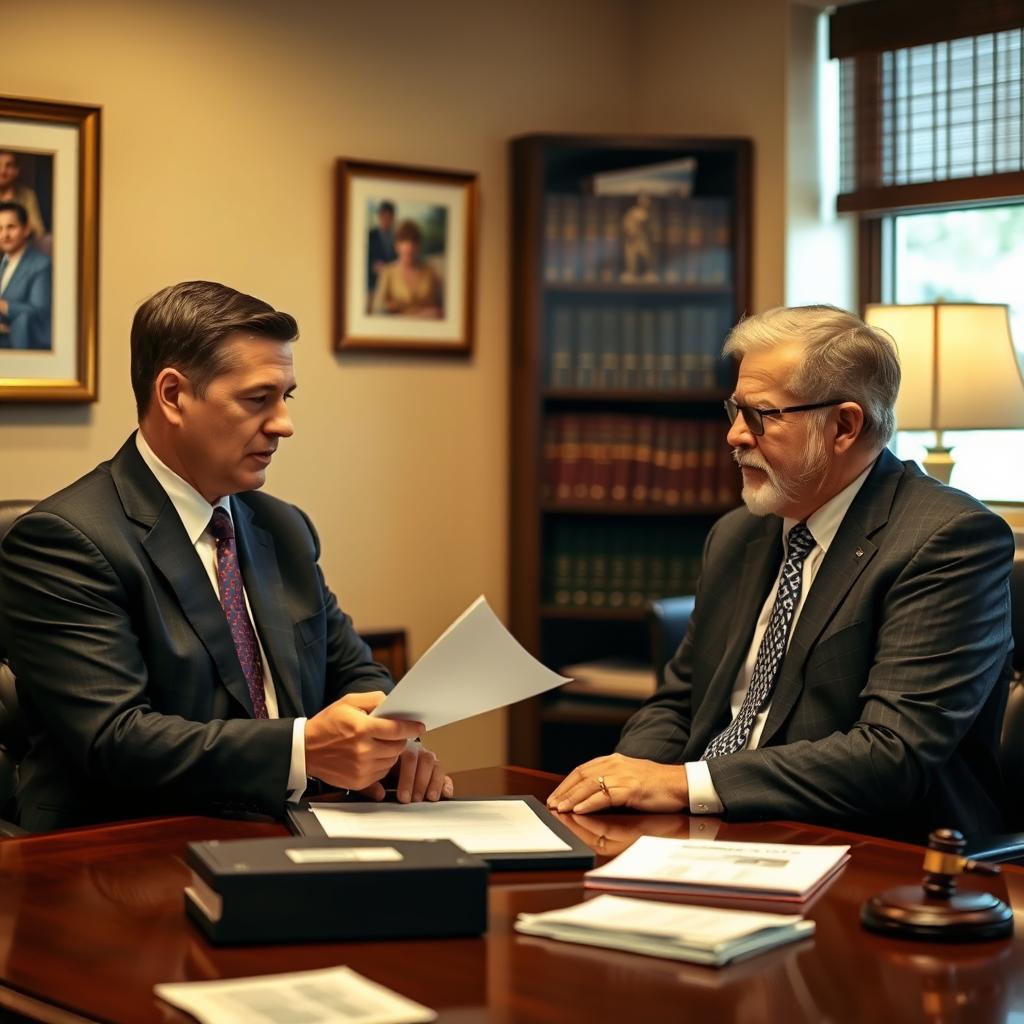
Trust Lawyer Seneca County
You need a Trust Lawyer Seneca County to handle the creation, administration, and litigation of trusts under New York law. Law Offices Of SRIS, P.C.—Advocacy Without Borders. provides direct counsel for Seneca County residents. We address trust validity, fiduciary duties, and beneficiary disputes specific to New York statutes. Our approach is based on the precise application of state law to your assets. (Confirmed by SRIS, P.C.)
Statutory Definition of Trust Law in New York
New York Estates, Powers and Trusts Law (EPTL) Article 7 governs the creation and administration of express trusts, classifying them as fiduciary relationships enforceable in Surrogate’s Court. The legal framework for a Trust Lawyer Seneca County centers on EPTL 7-1.1 through 7-1.19, which define trustee powers, duties, and the standards for judicial intervention. A trust established under these statutes allows a grantor to transfer property to a trustee for the benefit of designated beneficiaries, creating obligations that are legally binding under New York State law.
The statutes mandate strict fiduciary duties, including loyalty and prudent administration. Breaches can lead to surcharge actions, removal of a trustee, and other equitable remedies ordered by the court. The Surrogate’s Court has primary jurisdiction over trust matters, including accounting proceedings and disputes among beneficiaries. Understanding these code sections is the first step for any effective trust lawyer near me Seneca County.
What are the main types of trusts handled in Seneca County?
Revocable living trusts and irrevocable trusts are the most common instruments in Seneca County. A revocable trust allows the grantor to retain control and make changes during their lifetime. An irrevocable trust, once established, generally cannot be altered and is used for asset protection and tax planning. Special needs trusts and testamentary trusts created within a will are also frequently administered here.
What defines a valid trust under New York law?
A valid express trust requires a grantor with capacity, a clear intent to create a trust, identifiable trust property, definite beneficiaries, and a valid legal purpose. The trust terms must be memorialized in writing, as required by the Statute of Frauds for trusts involving real property. Failure to meet any element can render the trust void or subject to challenge in Surrogate’s Court.
Who can challenge a trust in Seneca County?
Interested parties, including beneficiaries, potential heirs, or creditors, can file a petition in Seneca County Surrogate’s Court to challenge a trust. Grounds for challenge include lack of capacity, undue influence, fraud, or improper execution of the trust document. The court will examine the evidence and the grantor’s intent at the time the trust was created.
The Insider Procedural Edge in Seneca County
Seneca County Surrogate’s Court, located at 1 DiPronio Drive, Waterloo, NY 13165, handles all trust matters. This court oversees the formal probate of wills containing testamentary trusts and the administration of inter vivos trusts. Procedural specifics for Seneca County are reviewed during a Consultation by appointment at our Seneca County Location. The court follows the Surrogate’s Court Procedure Act (SCPA) and local rules, which dictate filing deadlines, required petition formats, and notice requirements to all interested persons.
Filing fees vary based on the proceeding type, such as a petition for trust accounting or a proceeding to settle a trustee’s commission. The court’s staff can provide current fee schedules, but an experienced trust attorney will manage these details. Timelines for trust administration depend on the trust’s complexity, asset types, and whether any disputes arise. A local trust lawyer near me Seneca County understands the court’s calendar and the judges’ expectations for documentation. Learn more about Virginia legal services.
The legal process in Seneca County follows specific procedural requirements that affect case timelines and outcomes. Courts in this jurisdiction apply local rules that may differ from neighboring areas. An attorney familiar with Seneca County court procedures can identify procedural advantages relevant to your situation.
What is the typical timeline for trust administration?
Simple trust administration in Seneca County can take several months to a year to complete. This timeline includes collecting assets, paying debts and taxes, and making distributions. Complex administrations or contested matters can extend the process for multiple years, depending on litigation schedules in Surrogate’s Court.
What are the common filing fees for trust proceedings?
Filing fees in Seneca County Surrogate’s Court are set by state law and change periodically. A petition for judicial settlement of a trustee’s account, for example, incurs a fee based on the value of the trust assets accounted for. Your attorney will confirm the exact fee at the time of filing.
Penalties & Defense Strategies for Trust Disputes
The most common penalty in a trust dispute is a surcharge against a trustee for breach of fiduciary duty. This is a monetary judgment equal to the loss caused to the trust estate. The table below outlines potential outcomes in Seneca County Surrogate’s Court.
Virginia law establishes specific statutory frameworks that govern these matters. Each case involves unique factual circumstances that require careful legal analysis. SRIS, P.C. attorneys evaluate every relevant factor when developing case strategy for clients in Seneca County.
| Offense / Issue | Penalty / Outcome | Notes |
|---|---|---|
| Breach of Fiduciary Duty | Surcharge (Monetary Damages) | Trustee must repay trust for losses. |
| Failure to Provide Accounting | Court-Ordered Accounting & Possible Removal | Beneficiaries can petition to compel an account. |
| Self-Dealing / Conflict of Interest | Removal as Trustee & Disgorgement of Profits | Trustee may be forced to return unauthorized gains. |
| Undue Influence in Creation | Trust Declared Void | Assets may pass via intestacy or prior will. |
[Insider Insight] Local prosecutors do not handle standard trust disputes; these are civil matters. However, the Seneca County Surrogate’s Court takes fiduciary misconduct seriously. The court expects detailed, timely accountings and will hold trustees to a high standard of care. Defending against a surcharge action requires demonstrating adherence to the “prudent investor” standard and the specific terms of the trust instrument. Learn more about criminal defense representation.
An affordable trust lawyer Seneca County can develop a defense strategy that may include demonstrating proper record-keeping, showing compliance with trust terms, or negotiating a settlement to avoid costly litigation. For beneficiaries, the strategy involves gathering evidence of the breach, such as bank records or communications, to support a petition to the court.
What are the consequences of trustee removal?
Removal strips the individual of all authority to manage trust assets. The court will appoint a successor trustee, often a corporate fiduciary, to take over. The removed trustee may still be liable for surcharges for acts committed prior to removal and could be denied commissions.
Can a beneficiary be penalized for challenging a trust?
Generally, no. Beneficiaries have a right to inquire and petition the court. However, if a challenge is found to be frivolous or brought in bad faith, the court may order the challenging party to pay the legal fees of the trustee or other parties.
Court procedures in Seneca County require proper documentation and adherence to filing deadlines. Missing a deadline or submitting incomplete filings can negatively impact case outcomes. Working with an attorney who handles cases in Seneca County courts regularly ensures that procedural requirements are met correctly and on time.
Why Hire SRIS, P.C. for Your Seneca County Trust Matter
Our lead attorney for fiduciary matters has over fifteen years of experience litigating complex trust cases in New York Surrogate’s Courts. This attorney’s background includes handling contested accountings, will and trust construction proceedings, and fiduciary removal actions. We apply this deep procedural knowledge directly to cases in Seneca County.
SRIS, P.C. focuses on the precise application of New York’s Estates, Powers and Trusts Law. We do not generalize. We analyze your specific trust instrument, the actions of the trustee, and the goals of the beneficiaries. Our firm differentiator is direct, strategic advocacy aimed at resolving disputes efficiently, whether through negotiation or court trial. We prepare every case as if it will be argued before the Seneca County Surrogate. Learn more about DUI defense services.
The timeline for resolving legal matters in Seneca County depends on multiple factors including case type, court scheduling, and the positions of all parties involved. SRIS, P.C. keeps clients informed throughout the process and works to move cases forward as efficiently as possible.
You need a trust lawyer who understands that these cases are about family dynamics and significant assets. We provide clear advice on the strengths and risks of your position. For trust administration, we ensure compliance to prevent future disputes. For litigation, we build a compelling record for the judge. Our Seneca County Location is staffed to serve local clients with these specific needs.
Localized Seneca County Trust FAQs
What does a trust lawyer in Seneca County do?
A Trust Lawyer Seneca County drafts, reviews, and administers trust documents. They represent trustees or beneficiaries in Surrogate’s Court proceedings, including accountings and disputes. They ensure compliance with New York law and the trust’s terms.
How much does a trust lawyer cost in Seneca County?
Costs vary by case complexity. Attorneys may charge hourly rates or flat fees for document drafting. In litigation, fees are often based on time spent. Discuss fee structures during a Consultation by appointment.
What court handles trust cases in Seneca County?
The Seneca County Surrogate’s Court handles all trust-related matters. This includes probate of testamentary trusts, judicial settlement of accounts, and petitions to remove a trustee. The address is 1 DiPronio Drive, Waterloo.
Financial implications are often a significant concern in legal proceedings. Virginia courts consider relevant financial factors when making determinations. Proper preparation of financial documentation strengthens your position and supports favorable outcomes in Seneca County courts. Learn more about our experienced legal team.
Can I contest a trust without a lawyer in Seneca County?
You can file papers without a lawyer, but it is not advisable. Surrogate’s Court procedure is highly technical. Mistakes can waive rights or cause delays. A trust lawyer near me Seneca County knows the rules and local practice.
What is the difference between a trustee and an executor?
An executor administers a deceased person’s will and estate. A trustee manages assets held in a trust for beneficiaries. The same person can serve both roles, but their legal duties are defined by different statutes.
Proximity, CTA & Disclaimer
Our Seneca County Location serves clients throughout the region, including near landmarks like Seneca Lake. For precise directions and availability, contact us directly. Consultation by appointment. Call 24/7. Our team is ready to discuss your trust matter.
Law Offices Of SRIS, P.C.—Advocacy Without Borders.
Consultation by appointment. Call [phone]. 24/7.
Past results do not predict future outcomes.