
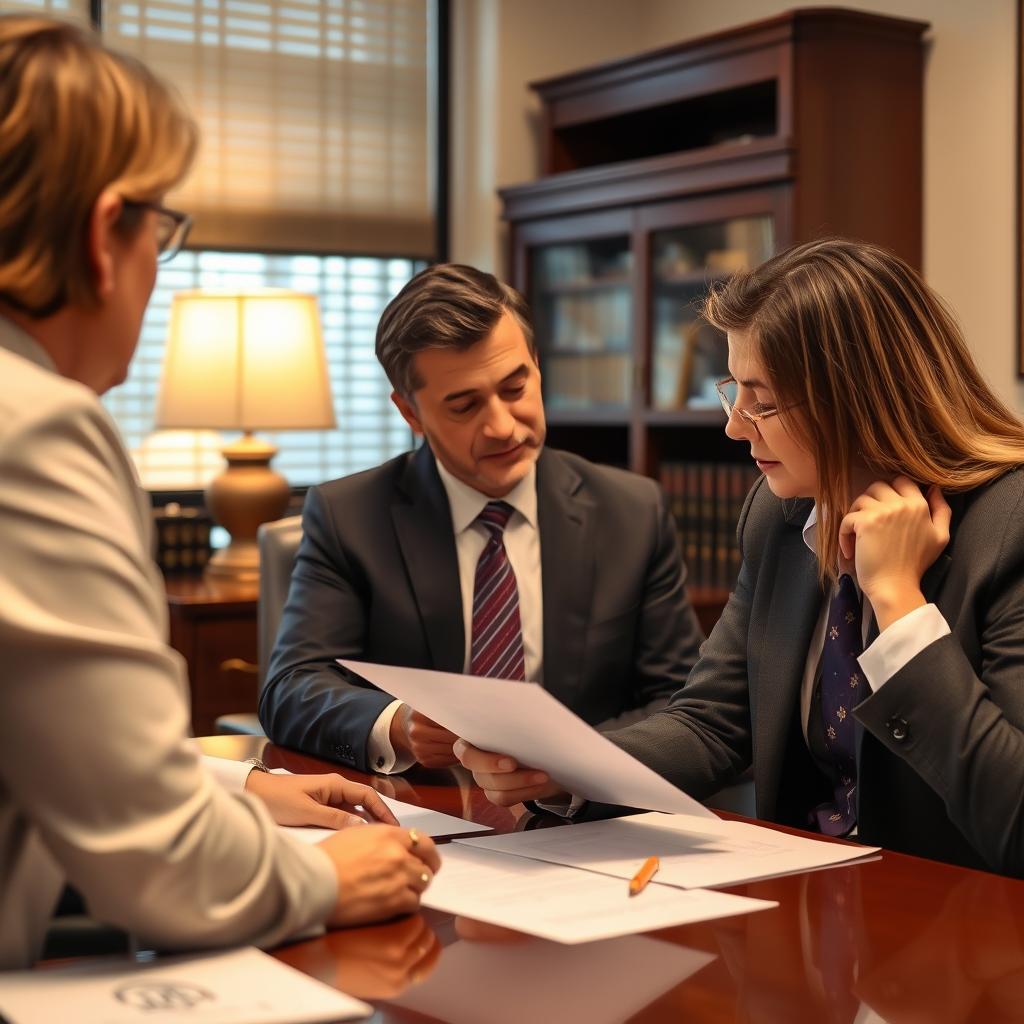
Trust & Estate Lawyer in Dutchess County, NY
New York Trust & Estate Law
New York’s trust and estate framework is primarily codified in the Estates, Powers and Trusts Law (EPTL) and the Surrogate’s Court Procedure Act (SCPA). These statutes govern the creation of wills and trusts, the appointment of fiduciaries (executors and trustees), the probate and administration process in Surrogate’s Court, and the rights of beneficiaries. A separate New York estate tax, under Tax Law § 951 et seq., applies to estates exceeding the exemption amount.
Last verified: March 2026 | Dutchess County Supreme Court | New York State Legislature EPTL
Official Legal Resources
Dutchess County Surrogate’s Court Process
In Dutchess County, estate matters are handled by the Surrogate’s Court, part of the Supreme Court. The court requires strict adherence to procedural timelines for filing petitions, serving citations, and submitting accountings. Executors and administrators have a fiduciary duty to act in the estate’s best interest.
- File the will and petition: File the original will and a petition for probate with the Dutchess County Surrogate’s Court. Pay the required filing fee based on estate value.
- Serve citation to interested parties: The court issues a citation to all heirs, beneficiaries, and potential creditors. They have a set time to object to the will or the appointment of the executor.
- Appoint executor/administrator: If no objections are filed, the court appoints the executor named in the will (or an administrator if there is no will) and issues letters testamentary or letters of administration.
- Inventory assets and manage estate: The fiduciary must inventory all estate assets, manage them, pay valid debts and expenses, and file any required estate tax returns within 9 months of death.
- File accounting and distribute assets: Prepare and file a final accounting with the court detailing all transactions. Once approved by the court, distribute the remaining assets to the beneficiaries.
Penalties and Consequences in Estate Matters
In Dutchess County, failures in estate administration can lead to personal liability for fiduciaries, estate tax penalties, and prolonged litigation.
| Issue | Legal Classification | Potential Consequences | Financial Impact |
|---|---|---|---|
| Breach of Fiduciary Duty | SCPA § 711 Proceedings | Removal as fiduciary, surcharge (personal financial penalty) | Value of loss + legal fees |
| Missed NY Estate Tax Filing | NY Tax Law § 954 | Penalties, interest on unpaid tax, lien on estate assets | Up to 25% of tax due + interest |
| Will Contest | SCPA § 1401 | Estate frozen during litigation, legal costs, potential invalidation of will | Significant legal fees, reduced estate value |
Results may vary. Each estate matter depends on its unique facts and circumstances.
Firm Credentials
Law Offices Of SRIS, P.C. was founded in 1997 by former prosecutor Mr. Sris. The firm brings over 120 years of combined legal experience to complex trust and estate matters. Our approach is case-specific, focusing on clear communication and diligent representation for clients in Dutchess County and across New York.
Frequently Asked Questions
What is the New York estate tax exemption amount?
The New York estate tax exemption is $6.94 million for 2026. Estates valued under this amount generally owe no NY estate tax. However, New York has a ‘cliff’ effect: if the estate exceeds 105% of the exemption, the entire estate is taxed, not just the excess.
How long does probate take in Dutchess County Surrogate’s Court?
Probate in Dutchess County typically takes 12 to 24 months. The timeline depends on estate complexity, creditor claims, and whether any disputes arise. Small estates under $50,000 may use an expedited affidavit process.
What happens if someone dies without a will in New York?
They die intestate. New York’s intestacy laws (EPTL § 4-1.1) determine asset distribution, typically to a surviving spouse and children. The Surrogate’s Court appoints an administrator, who must post a bond. The process is often slower and more costly than probate with a will.
Can an executor be removed in New York?
Yes. Under SCPA § 711, an executor can be removed for waste, misconduct, neglect, or incapacity. Interested parties can petition the Surrogate’s Court. The removed executor may face a surcharge (financial penalty) for breach of fiduciary duty.
What is the deadline to file a New York estate tax return?
The NY estate tax return (Form ET-706) is due 9 months after the date of death. Extensions are available. Failure to file can result in penalties and interest. The tax itself is due with the return.
Case Results
Law Offices Of SRIS, P.C. has achieved favorable outcomes in estate matters firm-wide across VA, MD, NJ, NY, and DC. Our focus is on efficient administration, resolving fiduciary disputes, and minimizing tax liability for our clients.
Results may vary. Prior results do not aim for a similar outcome.
Local Representation in Dutchess County
Our New York location serves clients at Dutchess County courts. We represent individuals and families throughout the Hudson Valley, including Poughkeepsie, Beacon, Fishkill, Wappingers Falls, Hyde Park, Rhinebeck, Red Hook, Pawling, Millbrook, and Dover Plains.
Trust & Estate lawyer near Dutchess County. 24/7 phone consultations — (888) 437-7747 — meetings by appointment only.
Law Offices Of SRIS, P.C.
New York Location — Buffalo/NY area
By appointment only.
Phone: (888) 437-7747 | Local: (703) 636-5417
Related Legal Resources
Last verified: March 2026. Information current as of March 2026. Laws change — contact Law Offices Of SRIS, P.C. at (888) 437-7747 for current guidance.