
Adult Guardianship Lawyer Queen Anne’s County
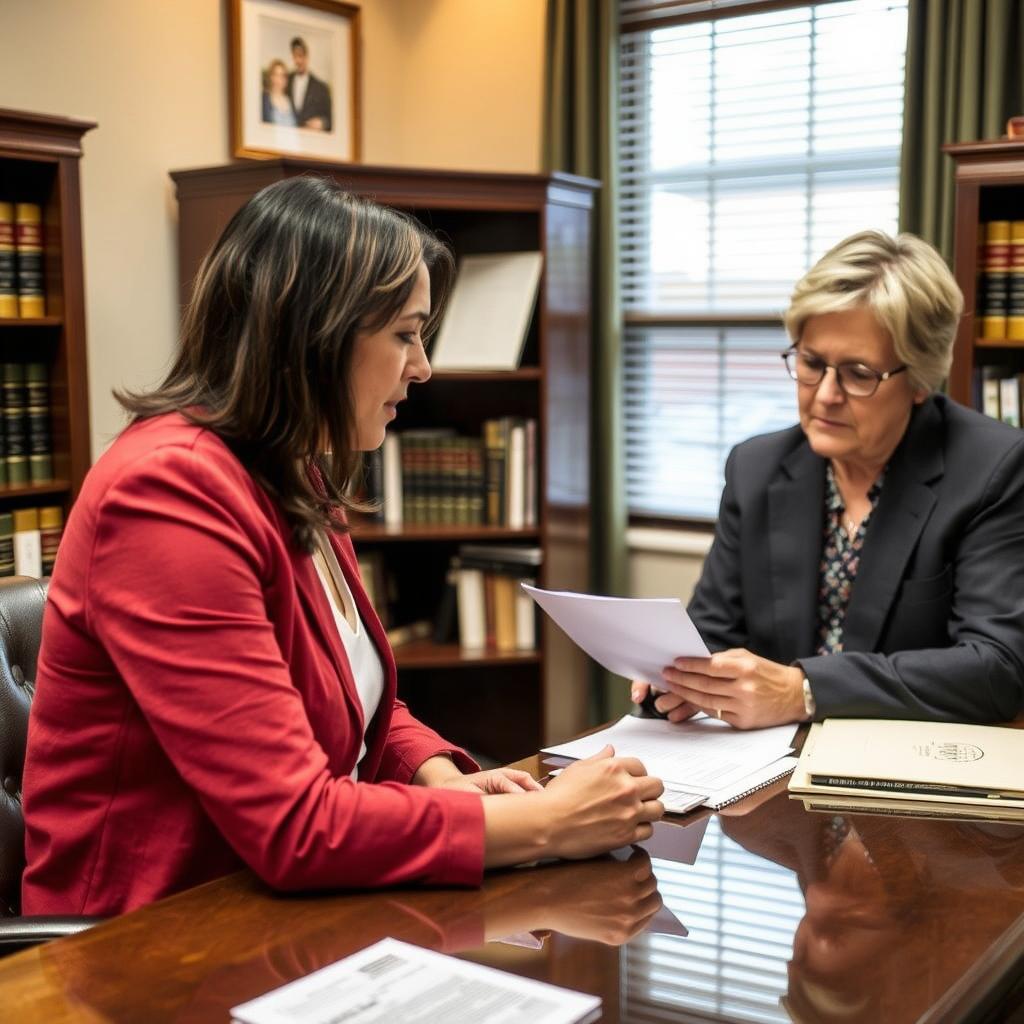
An Adult Guardianship Lawyer Queen Anne’s County handles petitions to appoint a legal guardian for an incapacitated adult. The process is governed by Maryland Estates and Trusts Code and filed in the Queen Anne’s County Circuit Court. You need an attorney who knows the local court’s procedures and evidentiary standards. Law Offices Of SRIS, P.C. —Advocacy Without Borders. (Confirmed by SRIS, P.C.)
Statutory Definition of Guardianship in Maryland
Maryland Estates and Trusts Code § 13-705 — Guardianship of the Person — Grants authority over an incapacitated individual’s personal welfare and medical decisions. The court must find clear and convincing evidence of incapacity. This incapacity means the individual cannot manage their property or provide for their health and safety. A guardian’s powers are specifically enumerated in the court’s order. The guardian must file annual reports with the court. The process is designed to protect the individual’s rights while providing necessary care.
Maryland law defines an “incapacitated person” under Estates and Trusts Code § 13-101. The definition includes an adult who lacks sufficient understanding to make responsible decisions. This can be due to mental disability, physical illness, or advanced age. The statute requires the court to consider the least restrictive alternative. A limited guardianship may be granted if the person retains some decision-making capacity. The court always prioritizes the individual’s personal preferences and autonomy. The legal standard for proof is high to prevent unnecessary deprivation of rights.
What is the legal standard for proving incapacity?
The petitioner must present clear and convincing evidence of incapacity. This is a higher standard than a simple preponderance of the evidence. Medical testimony from physicians or psychologists is typically required. The court may also appoint an independent court visitor to evaluate the alleged disabled person. The visitor’s report provides a neutral assessment to the judge. Witness testimony about daily functioning is also critical.
What is the difference between a guardian of the person and a guardian of the property?
A guardian of the person makes decisions about healthcare, residence, and well-being. A guardian of the property manages financial assets and income. The same person can be appointed to both roles, or different individuals can serve. The court will decide based on the proposed guardian’s qualifications and the ward’s needs. A bond is usually required for a guardian of the property. The roles have separate reporting requirements to the court.
Can a guardianship be contested?
Yes, the alleged incapacitated person has the right to contest the petition. They have the right to be present at the hearing and to be represented by an attorney. The court will appoint an attorney if the individual cannot afford one. Family members may also object to the proposed guardian or the need for guardianship. Contested cases require a full evidentiary hearing. The judge will make a final determination based on all testimony and evidence.
The Insider Procedural Edge in Queen Anne’s County
All guardianship petitions are filed at the Queen Anne’s County Circuit Court located at 120 Broadway, Centreville, MD 21617. The court requires strict adherence to local procedural rules and forms. Filing fees are set by the state and must be paid at the time of filing. Procedural specifics for Queen Anne’s County are reviewed during a Consultation by appointment at our Queen Anne’s County Location. The timeline from filing to hearing can vary based on court docket availability. Expedited hearings are possible in emergency situations where immediate harm is likely.
What is the typical timeline for a guardianship case?
A standard uncontested guardianship can take several months to complete. The court must schedule a hearing and ensure proper notice is given to all interested parties. The court-appointed visitor must have time to conduct their evaluation and file a report. Contested cases will take significantly longer due to the need for discovery and trial. Emergency temporary guardianships can be established within days if justified. Your attorney will manage the process to avoid unnecessary delays.
The legal process in Queen Anne’s County follows specific procedural requirements that affect case timelines and outcomes. Courts in this jurisdiction apply local rules that may differ from neighboring areas. An attorney familiar with Queen Anne’s County court procedures can identify procedural advantages relevant to your situation.
What documents are required to file a petition?
The petition must include a detailed statement of facts supporting the claim of incapacity. A certificate from a licensed physician or psychologist is mandatory. The petition must list all known heirs and interested persons. A proposed order for the court to sign must be submitted. Financial disclosure forms may be required if seeking guardianship of property. Missing documentation will cause the court clerk to reject the filing. Learn more about Virginia legal services.
Penalties & Defense Strategies in Guardianship Proceedings
The most common outcome is the court granting the petition and appointing a guardian. If the petition is denied, the alleged incapacitated person retains full autonomy. The court may order the petitioner to pay the other side’s attorney’s fees if the petition was filed in bad faith. A guardian who fails in their duties can be removed and held personally liable. The court supervises guardians closely through annual accounting and reporting.
Virginia law establishes specific statutory frameworks that govern these matters. Each case involves unique factual circumstances that require careful legal analysis. SRIS, P.C. attorneys evaluate every relevant factor when developing case strategy for clients in Queen Anne’s County.
| Potential Outcome | Consequence | Notes |
|---|---|---|
| Petition Denied | No guardian appointed. | The individual retains all legal rights. |
| Guardian Appointed | Ward loses specified decision-making rights. | Guardian must act in the ward’s best interest. |
| Guardian Removal | Court order removing guardian for cause. | Caused by neglect, abuse, or mismanagement. |
| Contempt of Court | Fines or jail for violating court orders. | Applies to guardians or interfering parties. |
| Financial Liability | Guardian must repay misused funds. | Personal assets can be used to make the ward whole. |
[Insider Insight] Queen Anne’s County judges scrutinize medical evidence closely. They prefer limited guardianships over plenary ones when possible. The court is sensitive to family dynamics and potential conflicts of interest. Presenting a clear, documented care plan increases the likelihood of approval. The court visitor’s recommendation carries substantial weight in the final decision.
What are the defenses against a guardianship petition?
The primary defense is demonstrating the individual retains sufficient capacity. This can be done through contrary medical evaluations and testimony about daily activities. Arguing for a less restrictive alternative, like a power of attorney, is effective. Challenging the suitability of the proposed guardian is another common defense. Procedural defenses include lack of proper notice or insufficient evidence in the petition. An experienced guardianship attorney can identify and assert these defenses.
What happens if a guardian abuses their power?
An interested party can file a petition to remove the guardian. The court will hold a hearing to examine the allegations. The guardian may be ordered to provide a full accounting of their actions. If abuse is proven, the guardian can be removed and held financially liable. In severe cases, criminal charges for exploitation or abuse could be filed. The court’s primary duty is always to protect the vulnerable ward.
Court procedures in Queen Anne’s County require proper documentation and adherence to filing deadlines. Missing a deadline or submitting incomplete filings can negatively impact case outcomes. Working with an attorney who handles cases in Queen Anne’s County courts regularly ensures that procedural requirements are met correctly and on time.
Why Hire SRIS, P.C. for Your Queen Anne’s County Guardianship Case
Our lead attorney for these matters has over a decade of experience in Maryland probate and guardianship courts. This attorney understands the nuanced medical and legal evidence required. SRIS, P.C. has handled numerous guardianship petitions and contested proceedings in Queen Anne’s County. We prepare every case with the detail needed to meet the clear and convincing evidence standard. We also represent individuals fighting unjustified petitions to protect their liberty.
We provide Advocacy Without Borders. from our local Maryland Location. Our approach is direct and focused on achieving the court’s approval or protecting our client’s rights. We work efficiently with medical professionals to build a strong factual record. We know the preferences of the local bench and how to present a compelling case. You need an estate planning lawyer who also understands litigation tactics. SRIS, P.C. combines both skill sets for your advantage. Learn more about criminal defense representation.
The timeline for resolving legal matters in Queen Anne’s County depends on multiple factors including case type, court scheduling, and the positions of all parties involved. SRIS, P.C. keeps clients informed throughout the process and works to move cases forward as efficiently as possible.
Localized FAQs for Queen Anne’s County Guardianship
Who can file for guardianship in Queen Anne’s County?
Any interested person can file, including family members, friends, or a government agency. The petitioner must demonstrate a genuine concern for the individual’s welfare. They must also be a suitable person to serve as guardian or propose one.
How much does it cost to hire a guardianship lawyer?
Costs vary based on case complexity and whether it is contested. Most attorneys charge an hourly rate for this work. Court costs and fees for medical experienced attorneys are additional expenses to consider.
Financial implications are often a significant concern in legal proceedings. Virginia courts consider relevant financial factors when making determinations. Proper preparation of financial documentation strengthens your position and supports favorable outcomes in Queen Anne’s County courts.
Can I become my spouse’s guardian?
Yes, a spouse is often the first choice as guardian. The court must still find you suitable and that guardianship is necessary. Your relationship alone does not automatically grant you guardianship powers.
What is a court visitor and what do they do?
A court visitor is a neutral professional appointed by the judge. They interview the alleged incapacitated person and the petitioner. They assess the individual’s condition and environment and file a report with recommendations.
Is a guardianship permanent?
Not necessarily. The court order remains until the ward dies or regains capacity. Any interested person can petition to modify or terminate the guardianship later. The guardian must also file annual reports to justify its continuation.
Proximity, CTA & Disclaimer
Our legal team serves Queen Anne’s County from our Maryland Location. We are accessible for clients throughout the county, including in Centreville, Stevensville, and Grasonville. Consultation by appointment. Call 24/7. We will review the specifics of your situation and explain the process. Contact SRIS, P.C. to discuss your need for an Adult Guardianship Lawyer Queen Anne’s County.
Law Offices Of SRIS, P.C.—Advocacy Without Borders.
Consultation by appointment. Call [phone]. 24/7.
Past results do not predict future outcomes.