
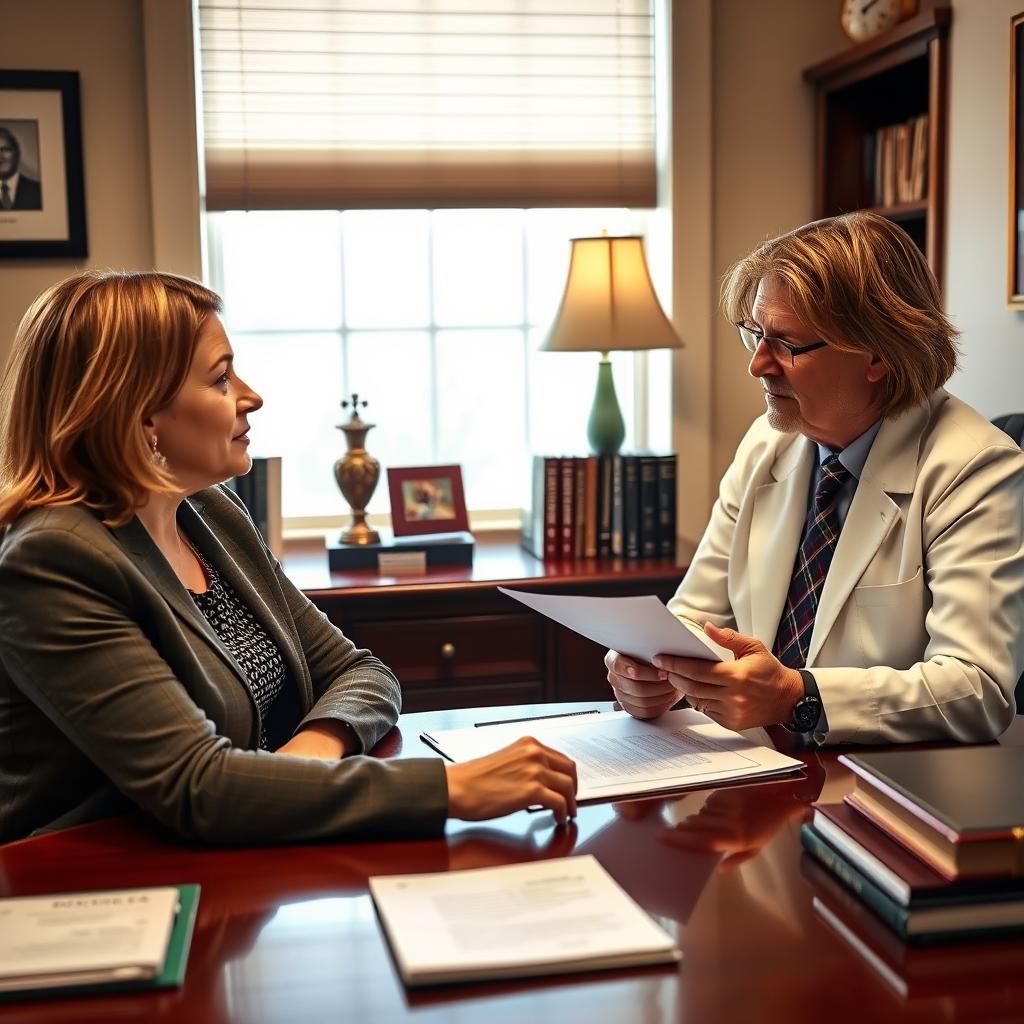
Trust & Estate Lawyer in Caroline County, VA
Virginia Trust & Estate Law
Virginia law provides a detailed framework for estate planning and administration. The Virginia Uniform Trust Code (Va. Code § 64.2-700 et seq.) governs the creation, administration, and termination of trusts. The Virginia Wills Act (§ 64.2-400 et seq.) sets the formal requirements for executing a valid will. Virginia has no state estate tax, simplifying planning for many families, though federal estate tax may apply to very large estates.
Last verified: March 2026 | Caroline County Circuit Court | Virginia General Assembly Code
Official Legal Resources
Caroline County Estate Procedures
Wills are probated in the Caroline County Circuit Court. The appointed executor must file an inventory of the estate’s assets within four months. Virginia law provides a one-year period for creditors to present claims against the estate.
- Consultation and Document Review: Gather the will, trust documents, death certificate, and all financial statements.
- Court Filing: File the will and petition for probate with the Caroline County Circuit Court clerk. Pay the applicable filing fee.
- Notice Period: Notify heirs and publish notice to creditors, starting the one-year claims period.
- Estate Administration: Inventory assets, pay valid debts and taxes, and manage estate property.
- Final Accounting: Prepare a final accounting for court approval before distributing assets to beneficiaries.
Potential Consequences in Estate Matters
In Caroline County, failing to follow fiduciary duties or contesting a will can lead to significant legal and financial consequences, including personal liability for an executor or the invalidation of estate documents.
| Issue | Legal Classification | Potential Outcome |
|---|---|---|
| Breach of Fiduciary Duty by Executor/Trustee | Civil Action | Removal, surcharge (personal financial liability), attorney’s fees |
| Will Contest (Undue Influence, Lack of Capacity) | Civil Litigation | Will may be voided; estate distributed via intestacy; high litigation costs |
| Failure to File Required Inventories/Taxes | Court Sanction | Fines, removal as executor, delays in estate closing |
Results may vary. Each estate and litigation matter depends on unique facts and circumstances.
Our Firm’s Experience
Law Offices Of SRIS, P.C. was founded in 1997 by former prosecutor Mr. Sris. Our attorneys possess over 120 years of combined legal experience. Mr. Sris personally amended Va. Code § 20-107.3, Virginia’s equitable distribution statute, demonstrating deep involvement in state law. Our firm-wide track record includes 4,739+ documented case results across Virginia, Maryland, New Jersey, New York, and Washington DC.
Frequently Asked Questions
What is the difference between a will and a trust in Virginia?
A will directs asset distribution after death and requires probate court supervision. A trust holds assets during your lifetime and can bypass probate, providing privacy and potentially faster distribution to beneficiaries under the Virginia Uniform Trust Code (Va. Code § 64.2-700).
How long does probate take in Caroline County Circuit Court?
Probate typically takes 1-2 years in Caroline County. The executor must file an inventory within 4 months, and creditors have a 1-year claims period. Complex estates or will contests can extend this timeline significantly.
Does Virginia have a state estate tax?
No. Virginia repealed its state estate tax. Only the federal estate tax applies, with a high exemption (over $15 million per person in 2026). Most estates in Caroline County do not owe federal estate tax.
What happens if someone dies without a will in Virginia?
They die intestate. Virginia’s intestacy laws (Va. Code § 64.2-200) dictate asset distribution to surviving spouses, children, or other relatives. The court appoints an administrator, and the process is often slower and more costly than probate with a will.
Can an executor in Virginia be removed?
Yes. The Caroline County Circuit Court can remove an executor for breach of fiduciary duty, such as mismanaging assets, failing to file required inventories, or acting against the estate’s best interests. The removed executor may face personal liability.
Trust & Estate Lawyer Near Caroline County
Our Fairfax location serves clients at the Caroline County courts on Ennis Street. We represent individuals and families in Bowling Green, Carmel Church, and surrounding communities.
24/7 phone consultations — (888) 437-7747 — meetings by appointment only.
Law Offices Of SRIS, P.C.
Fairfax Location — 4008 Williamsburg Court, Fairfax, VA 22032
Phone: (703) 636-5417 | Toll-Free: (888) 437-7747
By appointment only.
Related Legal Services
Last verified: March 2026. Information current as of verification date. Laws change — contact Law Offices Of SRIS, P.C. at (888) 437-7747 for current guidance.