
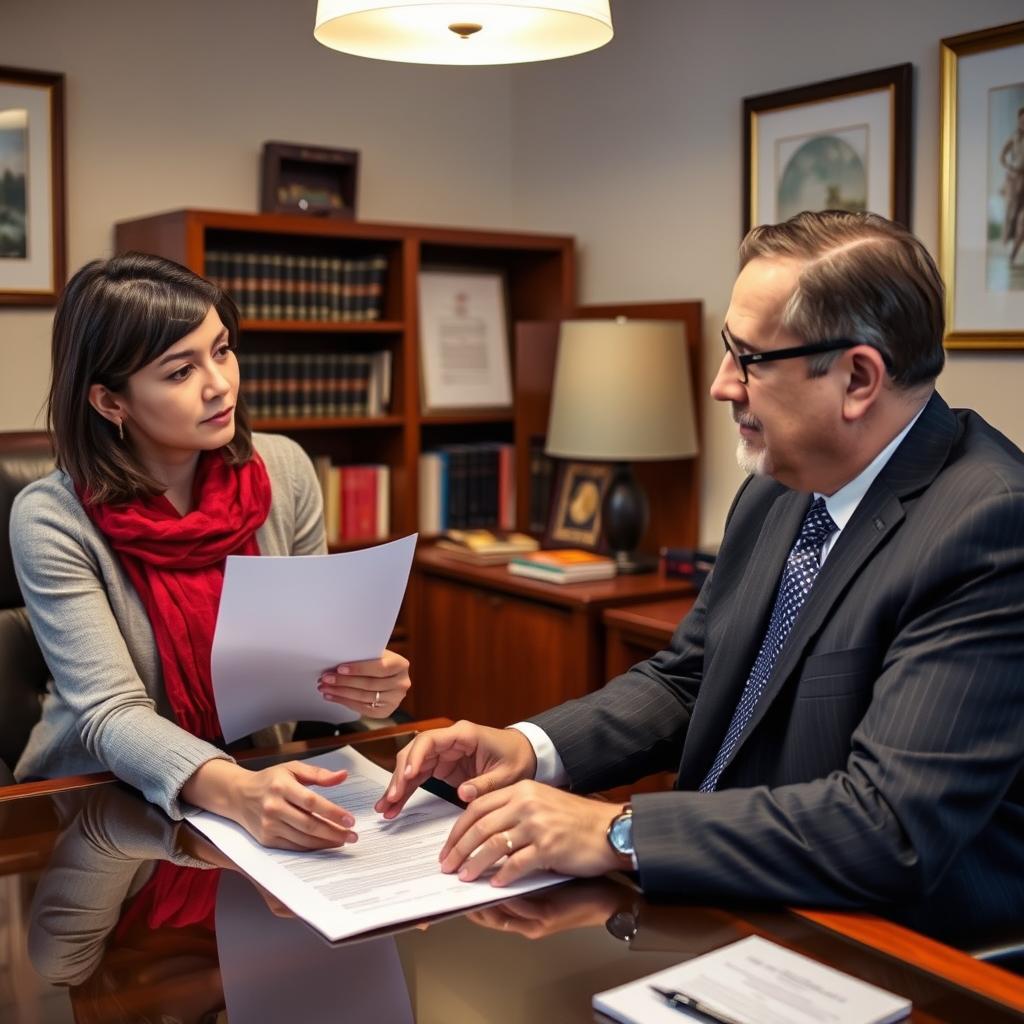
Trust & Estate Lawyer in Westchester County, NY
New York Trust & Estate Law
New York’s trust and estate laws are primarily found in the Estates, Powers and Trusts Law (EPTL) and the Surrogate’s Court Procedure Act (SCPA). These statutes define how wills are executed, how trusts are created and administered, and the procedures for probating an estate through the Surrogate’s Court. A key consideration for Westchester County residents is the New York estate tax, which applies a graduated rate of 3.06% to 16% on taxable estates exceeding the exemption amount, which is $6.94 million for 2026 (NY Tax Law § 951 et seq.).
Last verified: March 2026 | Westchester County Surrogate’s Court | NY Estates, Powers and Trusts Law
Official Legal Resources
For the official text of New York’s estate laws, refer to the New York Estates, Powers and Trusts Law (EPTL) on the New York State Senate website. For court-specific forms and procedures, visit the Westchester County Supreme Court, 9th Judicial District website.
Estate Procedures in Westchester County
Wills are probated through the Westchester County Surrogate’s Court. The executor named in the will must file a petition and the original will. The court then issues citations to all interested parties, such as heirs and beneficiaries. An inventory and accounting of the estate assets are required by the court.
- File the petition and will: The executor files a petition for probate and the original will with the Surrogate’s Court.
- Serve citations to interested parties: The court issues citations to heirs and beneficiaries, notifying them of the proceeding.
- Appoint the executor: If no objections are filed, the court issues letters testamentary, officially appointing the executor.
- Inventory and manage assets: The executor must locate, inventory, and manage all estate assets.
- Pay debts and taxes: Valid creditor claims are paid, and estate tax returns are filed within 9 months.
- Distribute remaining assets: After settling debts and taxes, assets are distributed to the beneficiaries.
Potential Outcomes in Estate Matters
In Westchester County, trust and estate matters involve court supervision, fiduciary duties, and potential tax consequences, not traditional penalties. Executors and trustees have a legal duty to act in the best interest of the estate and beneficiaries.
| Issue | Legal Standard | Potential Consequence |
|---|---|---|
| Will Contest | Lack of capacity, undue influence, fraud | Estate frozen during litigation; possible invalidation of will |
| Breach of Fiduciary Duty | Failure to act prudently (EPTL 11-1.7) | Surcharge (personal financial liability), removal as executor/trustee |
| NY Estate Tax Non-Payment | Tax due on estates over $6.94M (Tax Law § 951) | Tax on entire estate plus interest and penalties due to “cliff” effect |
| Missed Probate Deadline | SCPA filing timelines | Delays in asset distribution; potential need for administrator appointment |
Results may vary. Each estate and trust case depends on its unique facts and circumstances.
Firm Credentials
Law Offices Of SRIS, P.C. was founded in 1997 by former prosecutor Mr. Sris. The firm brings over 120 years of combined legal experience to complex estate matters. Our approach is case-specific, built on a deep understanding of New York’s EPTL and SCPA. We serve clients throughout Westchester County and the Hudson Valley.
Case Experience
Law Offices Of SRIS, P.C. has a firm-wide record of 4,739+ documented case results across our practice areas in Virginia, Maryland, New Jersey, New York, and Washington D.C., with a favorable outcome rate exceeding 93%.
Results may vary. Prior results do not aim for a similar outcome.
Local Estate Lawyer Near Westchester County
Our New York location serves clients at Westchester County courts, accessible via I-87, I-84, I-287, and the Taconic State Parkway. We are a trust and estate lawyer near White Plains, Yonkers, and New Rochelle.
We serve the communities of White Plains, Yonkers, New Rochelle, Mount Vernon, Scarsdale, Bronxville, Rye, Ossining, Peekskill, Tarrytown, Mamaroneck, Port Chester, Dobbs Ferry, Larchmont, and Hastings-on-Hudson.
24/7 phone consultations — (888) 437-7747 — meetings by appointment only.
Law Offices Of SRIS, P.C.
New York Location — Buffalo/NY area
By appointment only.
Phone: (888) 437-7747 | Local: (703) 636-5417
Frequently Asked Questions
What is the New York estate tax exemption amount?
The New York estate tax exemption is $6.94 million for 2026. Estates valued under this amount generally owe no state estate tax. However, New York has a ‘cliff’ effect: if the estate exceeds 105% of the exemption, the entire estate is taxed, not just the excess.
How long does probate take in Westchester County Surrogate’s Court?
Probate typically takes 12 to 24 months in Westchester County. The timeline depends on estate complexity, creditor claims, and whether any disputes arise. For small estates under $50,000, an expedited affidavit process is available.
What are the executor’s fees in New York?
Executor fees in New York are set by statute (SCPA § 2307). The standard commission is a percentage of the estate assets received and paid out. The fee schedule is: 5% on the first $100,000, 4% on the next $200,000, 3% on the next $700,000, and so on.
Can a will be contested in New York?
Yes. A will can be contested in Surrogate’s Court on grounds like lack of testamentary capacity, undue influence, fraud, or improper execution. The contest must be filed by an interested party, such as an heir or beneficiary named in a prior will. The estate is typically frozen during the litigation.
What happens if someone dies without a will in New York?
They die intestate. New York’s intestacy laws (EPTL) determine who inherits. A surviving spouse and children are first in line. An administrator, not an executor, must be appointed by the Surrogate’s Court to handle the estate, which can add time and complexity to the process.
Related Legal Resources
For more information, visit our New York Trust & Estate Lawyer hub page. We also assist with business law and civil litigation in Westchester County. Learn more about Mr. Sris’s background and experience.
Last verified: March 2026. Laws and procedures change. Contact Law Offices Of SRIS, P.C. at (888) 437-7747 for current guidance regarding your specific situation.