
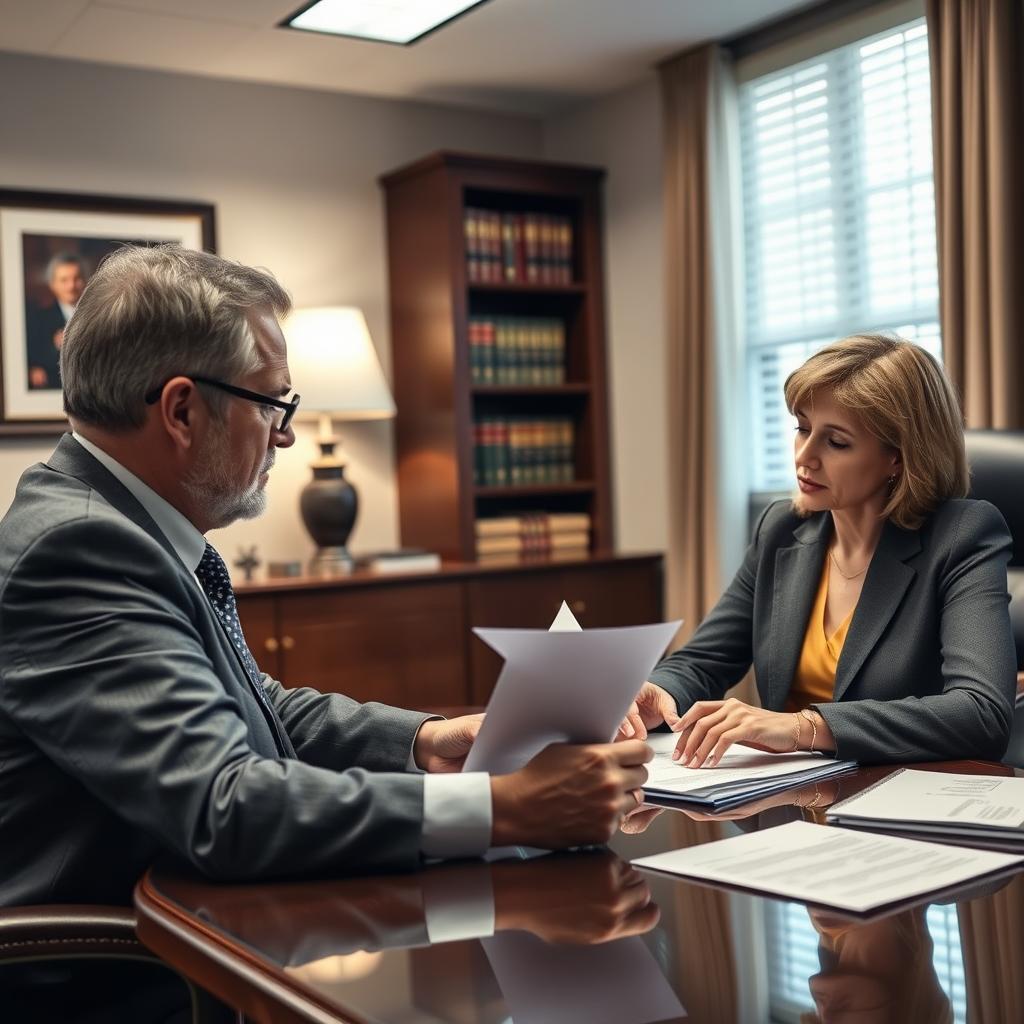
Charitable Trust Lawyer Prince George County
You need a Charitable Trust Lawyer Prince George County to structure a legally sound philanthropic vehicle under Virginia law. Law Offices Of SRIS, P.C. —Advocacy Without Borders. Our attorneys draft and administer trusts that meet strict state requirements for charitable giving. We ensure your philanthropic goals are achieved with precision and compliance. (Confirmed by SRIS, P.C.)
Statutory Definition of Charitable Trusts in Virginia
Virginia charitable trusts are governed by the Uniform Trust Code, specifically Va. Code Ann. § 64.2-700 et seq., which defines a charitable trust as a fiduciary relationship with a charitable purpose enforceable in court. The statute requires a clearly defined charitable intent, an identifiable beneficiary class, and a trustee to administer the assets. A Charitable Trust Lawyer Prince George County must ensure the trust instrument complies with these provisions to achieve validation. Failure to meet statutory requirements can result in the trust being deemed invalid, potentially voiding the donor’s intent.
The Virginia Uniform Trust Code provides the legal framework for all trusts. Charitable trusts are a distinct category under this code. They must be created for purposes the law recognizes as charitable. These purposes include relief of poverty, advancement of education, promotion of health, and other community benefits. The trust must benefit the public or a significant segment of the public. A private individual cannot be the sole beneficiary. The attorney drafting the document must articulate this public purpose clearly.
Virginia law imposes specific duties on trustees of charitable trusts. The trustee has a fiduciary duty to manage trust assets prudently. This duty is outlined in Va. Code Ann. § 64.2-771. The trustee must act solely in the interest of the charitable purpose. They must avoid conflicts of interest and self-dealing. Annual accountings and reports may be required. The Location of the Attorney General in Virginia has oversight authority. They can investigate and enforce the proper administration of charitable trusts.
Choosing the right trustee is a critical decision. The trustee can be an individual, a bank, or a charitable organization. The trust instrument should name a successor trustee. This ensures continuity if the original trustee cannot serve. The document must also specify how trust assets are to be distributed. It should outline the charitable purposes in detail. Vague language can lead to disputes and court intervention. A philanthropic trust planning lawyer Prince George County drafts precise language to avoid future litigation.
What are the core elements of a valid charitable trust in Virginia?
A valid charitable trust in Virginia requires a settlor with capacity, clear charitable intent, and property placed in trust. The settlor is the person creating the trust. They must be of sound mind and legal age. The property transferred to the trust is called the trust corpus. The charitable intent must be expressly stated in the trust document. The purpose must fall within legal definitions of charity. The trust must have a trustee to administer it. There must be no definite, individual beneficiaries, only a charitable class.
How does Virginia law define a “charitable purpose”?
Virginia law defines charitable purpose broadly under the Uniform Trust Code. It includes relief of poverty, advancement of education or religion, promotion of health, and governmental or municipal purposes. Other purposes that benefit the community also qualify. The key is that the purpose provides a benefit to the public. It cannot be for private gain. Courts in Virginia interpret this definition liberally. A charitable giving trust lawyer Prince George County ensures your specific goal meets this legal standard.
What is the role of the Virginia Attorney General regarding charitable trusts?
The Virginia Attorney General has enforcement authority over all charitable trusts in the state. This Location represents the public’s interest in charitable assets. They can investigate complaints of trustee misconduct. The Attorney General can petition a court to remove a trustee. They can also seek to modify or terminate a trust that becomes impractical. Trustees often must file periodic reports with the Attorney General’s Location. A Charitable Trust Lawyer Prince George County handles this regulatory relationship for clients. Learn more about Virginia legal services.
The Insider Procedural Edge in Prince George County
Charitable trust matters in Prince George County are adjudicated in the Prince George County Circuit Court located at 6601 Courts Drive, Prince George, VA 23875. This court handles the validation, modification, and administration disputes for trusts established by county residents. Filing a petition to establish or interpret a charitable trust requires precise adherence to local rules. The filing fee for a petition in the Circuit Court is set by state statute and is confirmed at the time of filing. Procedural timelines are strict, and missing a deadline can jeopardize the entire proceeding.
The Prince George County Circuit Court clerk’s Location manages all trust-related filings. You must file the original trust instrument along with a petition. The petition must state the grounds for court action. This could be to validate the trust, appoint a trustee, or seek instructions. All interested parties must be properly notified. This includes the named trustee, the Attorney General’s Location, and any contingent beneficiaries. The court will schedule a hearing to consider the petition. A judge will review the documents and hear arguments.
Local court rules in Prince George County may have specific formatting requirements. Pleadings must often be on numbered, lined paper. Certain margins and font sizes are mandated. Exhibits must be tabbed and indexed. Failure to follow these rules can result in your filing being rejected. This causes delays and additional costs. An experienced attorney knows these local idiosyncrasies. They prepare documents correctly the first time. This procedural knowledge is a significant advantage in trust administration.
Court hearings for trust matters are typically less adversarial than other litigation. The goal is often to seek judicial guidance. However, if disputes arise, the process becomes contested. The court may appoint a guardian ad litem to represent unknown beneficiaries. The Attorney General’s Location will often file a response. They will state their position on whether the trust serves a valid public purpose. Having counsel familiar with these players is crucial. A philanthropic trust planning lawyer Prince George County understands how to present a case to this court.
Penalties, Risks & Defense Strategies for Trust Administration
The most common penalty for trustee misconduct is removal from Location and surcharge for mismanaged assets. Trustees who breach their fiduciary duties face serious consequences. Courts can order them to personally repay lost trust assets. They can also be ordered to pay attorney’s fees and costs. In cases of intentional fraud or embezzlement, criminal charges may apply. A charitable giving trust lawyer Prince George County defends trustees against allegations and guides them to proper administration.
| Offense / Risk | Penalty / Consequence | Notes |
|---|---|---|
| Breach of Fiduciary Duty | Removal as Trustee; Surcharge for losses | Va. Code Ann. § 64.2-771; Personal liability. |
| Failure to File Required Reports | Court sanctions; Contempt proceedings | Attorney General oversight can initiate action. |
| Trust Invalidity Due to Drafting Error | Trust fails; Assets may not go to intended purpose | Prevented by precise drafting by an experienced attorney. |
| Self-Dealing or Conflict of Interest | Transaction voided; Profits disgorged; Possible removal | Strict prohibition under Virginia trust law. |
[Insider Insight] The Prince George County Circuit Court and the Virginia Attorney General’s Charitable Trusts Unit prioritize the preservation of charitable assets. They are generally receptive to trustees who seek guidance proactively. However, they take a dim view of trustees who act unilaterally or conceal problems. Early and transparent communication with the court and regulator is often the best defense strategy. An attorney can support this communication effectively. Learn more about criminal defense representation.
Defense strategies begin with impeccable record-keeping. Trustees must document all investment decisions and distributions. They should hold regular, documented trustee meetings. Seeking professional investment and legal advice is not a sign of weakness. It is a demonstration of prudence. If a challenge arises, the trustee’s documented process is the first line of defense. It shows they acted in good faith and with due care. A Charitable Trust Lawyer Prince George County helps trustees establish and maintain these protocols.
Another key strategy is seeking cy pres or modification when a trust becomes impractical. The original charitable purpose may become impossible to fulfill. Virginia law allows courts to modify the purpose to one as close as possible to the original intent. This requires a petition to the Prince George County Circuit Court. The Attorney General must consent to the change. This process saves the trust from failure. It allows the charitable assets to continue serving the public good in a modified way.
What are the financial risks for a trustee of a charitable trust?
A trustee can be held personally financially liable for losses caused by a breach of duty. This is called a surcharge. If poor investment decisions lose trust principal, the trustee may have to repay it. The court can also order the trustee to pay the legal fees of the party who brought the action. These costs can be substantial. Liability insurance for trustees exists but has limits. Prudent administration with legal counsel is the best risk mitigation.
Can a charitable trust be changed or terminated after creation?
Yes, a charitable trust can be modified or terminated under Virginia law through a court petition. The doctrine of cy pres allows modification if the original purpose becomes impossible or impracticable. The court will apply trust assets to a purpose as near as possible to the original intent. Termination is possible if the trust assets become too small to administer efficiently. The Prince George County Circuit Court must approve any change or termination. The Virginia Attorney General is a necessary party to these proceedings.
What happens if a charitable trust is poorly drafted?
A poorly drafted charitable trust may be declared invalid by a court. If the language is ambiguous, the court may have to interpret it. This leads to litigation costs and uncertainty. The trust assets may be distributed in a way the settlor never intended. In worst cases, the assets could revert to the settlor’s estate. This defeats the philanthropic goal entirely. Investing in precise drafting by a philanthropic trust planning lawyer Prince George County prevents these costly failures.
Why Hire SRIS, P.C. for Your Charitable Trust Matters
Our lead attorney for fiduciary matters has over fifteen years of experience drafting and litigating complex trust instruments in Virginia courts. This deep knowledge of the Uniform Trust Code and local court procedures is critical for success. We understand the formal and informal rules that govern trust administration in Prince George County. Our goal is to create durable, effective charitable vehicles that withstand legal scrutiny and achieve your philanthropic vision. Learn more about DUI defense services.
Attorney Background: Our trust and estate attorneys focus on the precise creation and administration of fiduciary documents. They have handled numerous petitions for trust validation, modification (cy pres), and trustee defense in Circuit Courts across Virginia, including Prince George County. They work closely with financial advisors and the Attorney General’s Location to ensure smooth compliance.
SRIS, P.C. has a dedicated team for fiduciary and charitable planning. We are not a general practice firm. Our attorneys concentrate on this specific area of law. This focus leads to greater efficiency and deeper insight. We know the common pitfalls in trust drafting. We anticipate issues that may arise years after creation. Our documents are built to last and adapt to changing circumstances. This proactive approach saves clients time, money, and stress in the long term.
Our firm differentiator is systematic process. We use detailed checklists for every trust document. We review Virginia statutory requirements line by line. We ensure every element of a valid charitable trust is present and clearly stated. We also consider tax implications, although we advise clients to consult with their CPA for specific tax advice. This careful method minimizes the risk of future disputes or invalidation. Your charitable legacy deserves this level of careful attention.
We provide Advocacy Without Borders for clients in Prince George County and beyond. Our Location in the region allows for convenient in-person meetings. We are accessible and responsive to our clients’ needs. We explain legal concepts in clear, direct language. You will understand every step of the process. We support you to make informed decisions about your charitable giving. Contact us to discuss your specific goals for a charitable trust in Virginia.
Localized FAQs for Prince George County Charitable Trusts
What court handles charitable trust disputes in Prince George County?
The Prince George County Circuit Court handles all charitable trust disputes and petitions. The address is 6601 Courts Drive, Prince George, VA 23875. All filings for trust validation or modification are made here.
Do I need to live in Prince George County to create a trust there?
No, but the trust must typically be administered or have property located in the county. Jurisdiction is based on the trustee’s location or where trust assets are held. A lawyer can advise on the best venue. Learn more about our experienced legal team.
How long does it take to establish a charitable trust in Virginia?
Drafting and executing the trust document can take several weeks. Court validation, if required, adds time for filing and a hearing. The total timeline depends on the trust’s complexity and court docket.
What is the difference between a private foundation and a charitable trust?
A charitable trust is a fiduciary relationship governed by trust law. A private foundation is a nonprofit corporate entity. Both serve charitable purposes but have different legal structures, tax forms, and operational rules.
Can a charitable trust own real estate in Prince George County?
Yes, a charitable trust can own real estate. The trustee holds legal title to the property. The trust instrument must grant the trustee the power to acquire and manage real property assets.
Proximity, CTA & Essential Disclaimer
Our Prince George County Location serves clients throughout the region. We are accessible for meetings to discuss your charitable trust planning needs. Consultation by appointment. Call 24/7. Our team is ready to provide the focused legal counsel required for effective philanthropic planning.
Law Offices Of SRIS, P.C.—Advocacy Without Borders.
Phone: [PHONE NUMBER FROM GMB]
Address: [PRINCE GEORGE COUNTY GMB ADDRESS]
Past results do not predict future outcomes.