
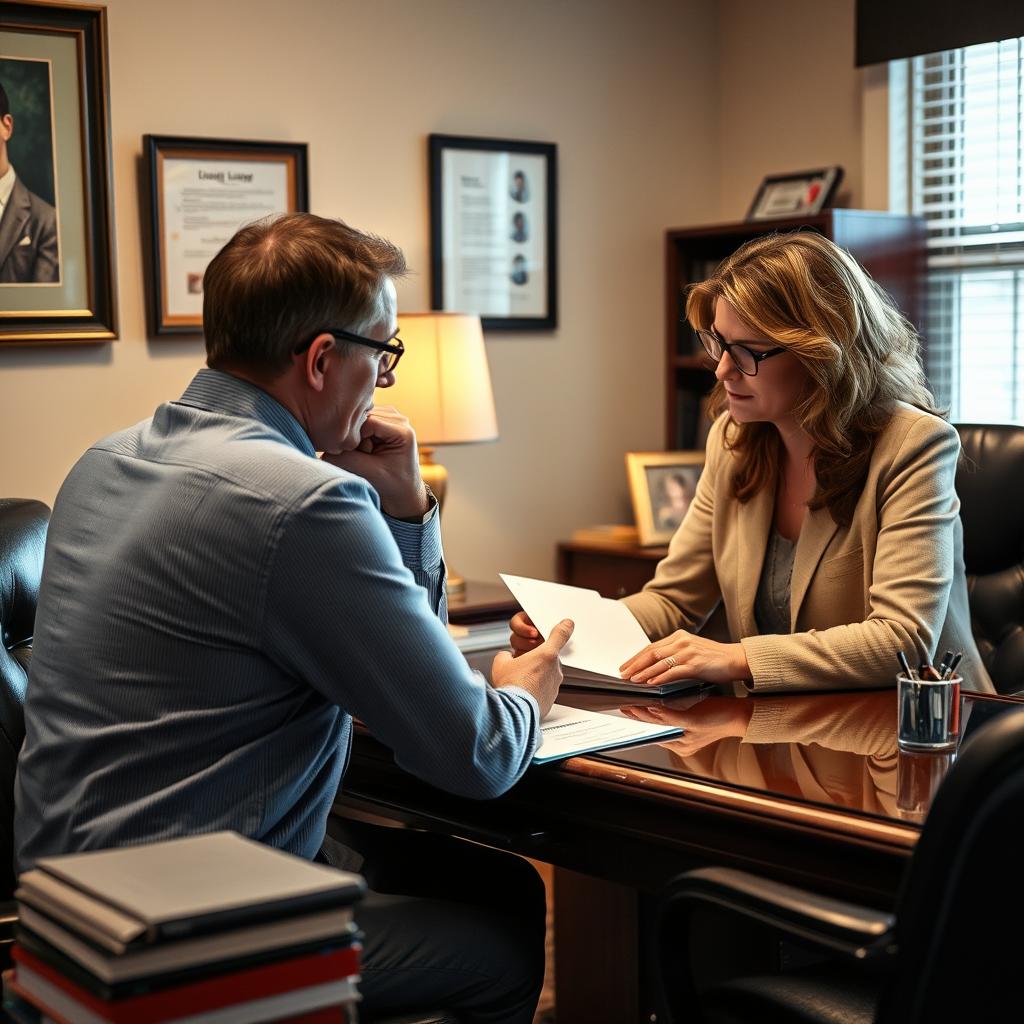
Conservatorship Lawyer in Schenectady County, New York
A Conservatorship Lawyer Schenectady County helps families and individuals navigate the legal process of appointing a conservator to manage financial affairs for someone who cannot do so themselves. At Law Offices of SRIS, P.C., we assist clients with financial conservatorship petition matters in Schenectady County, working through the Schenectady County Supreme Court located at 612 State Street, Schenectady, NY 12305. Our team understands the sensitivity of these proceedings and provides guidance tailored to each family’s circumstances.
Understanding Conservatorship in New York
In New York, a conservatorship — often referred to as a guardianship of the property under Article 81 of the Mental Hygiene Law — is a court-supervised process where a person or institution is appointed to handle the financial assets, income, and property of an individual who is determined to be incapacitated. The court’s primary focus is to use the least restrictive means necessary, meaning a conservatorship is tailored to the specific needs of the individual rather than granting full authority automatically. The proceeding begins with a petition filed in the Supreme Court in the county where the individual resides, which for residents of Schenectady County means filing at the Schenectady County Supreme Court. A court evaluator is appointed to investigate and report back to the judge, ensuring that the proposed conservatorship is both necessary and appropriately scoped.
Official Court and Legislative Resources
For additional information on conservatorship procedures and court rules, visit the official websites below. These government domains provide the most current and authoritative guidance.
- Schenectady County Supreme Court — nycourts.gov
- New York Mental Hygiene Law Article 81 — nysenate.gov
Local Court Procedures for Conservatorship in Schenectady County
in handling trust and estate matters at the Schenectady County Supreme Court, we have observed that the court places significant emphasis on the court evaluator’s report and the specific functional limitations of the alleged incapacitated person. The 4th Judicial District, which includes Schenectady County, follows standardized Article 81 procedures but local practice often requires detailed affidavits from medical professionals who have personally examined the individual. The court typically schedules an initial hearing within 30 to 45 days of filing, and the evaluator’s report is due 15 days before the hearing. Judges in the 4th Judicial District tend to favor limited conservatorships that preserve the individual’s autonomy wherever possible. For a financial conservatorship petition, the court expects a thorough accounting of all assets and liabilities, and the proposed conservator must complete a training course approved by the Office of Court Administration.
Conservatorship Costs, Timelines, and Key Considerations
Establishing a conservatorship in Schenectady County involves several costs and procedural milestones that families should plan for in advance.
| Stage | Typical Duration | Estimated Cost |
|---|---|---|
| Initial consultation and petition preparation | 1–3 weeks | Varies by attorney; initial consultation by appointment |
| Filing and court evaluation period | 30–45 days to initial hearing | Court filing fee (approx. $210–$300); court evaluator fee (statutory, based on assets) |
| Post-appointment accounting and reporting | Annual (ongoing) | Bond premium (if required); attorney fees for annual accounting |
Results may vary. Past results do not guarantee a similar outcome. The timeline and costs depend on the complexity of the case, the cooperation of family members, and the court’s docket.
About Law Offices of SRIS, P.C. — Advocacy Without Borders
Founded in 1997 by Mr. Sris, former prosecutor, Law Offices of SRIS, P.C. Brings 120+ years of combined legal experience and 4,739+ documented firm-wide results across VA, MD, DC, NJ, and NY. Results may vary. The firm handles trust and estate matters including conservatorship, guardianship, estate planning, and probate administration. Mr. Sris leads the firm’s New York practice, drawing on decades of legal experience and a background in accounting and information systems to provide a detail-oriented approach to conservatorship and estate matters. The firm’s tagline, “Advocacy Without Borders,” reflects its commitment to serving clients across multiple states and practice areas.
About Mr. Sris — Lead Conservatorship Attorney
Mr. Sris, Owner and founder of Law Offices of SRIS, P.C., is a former prosecutor admitted to practice in Virginia, Maryland, District of Columbia, New Jersey, and New York. He founded the firm in 1997 and has since built a practice that spans criminal defense, family law, immigration, and trust and estate matters. His background in accounting and information systems supports a detail-oriented approach to conservatorship and estate planning cases, where financial documentation and asset management are central. Mr. Sris personally oversees the firm’s trust and estate practice, ensuring that each conservatorship petition is thoroughly prepared and that clients receive clear guidance through every stage of the proceeding.
Mr. Sris testified before the Virginia House Courts of Justice Committee in support of 2019 HB 635 (chief patron Del. David Bulova), the bill that became the 2019 revision to Va. Code § 20-107.3(g). Bill history: lis.virginia.gov. He was also involved in the introduction of These legislative contributions reflect his commitment to legal advocacy beyond individual cases.
Documented Case Outcomes — Schenectady County Trust & Estate
Specific case outcomes for this jurisdiction are not currently published. Contact the firm directly at (888) 437-7747 for case-specific information.
Office Location and Service Areas in New York
Law Offices of SRIS, P.C. — Buffalo
50 Fountain Plaza, Suite 1400, Buffalo, NY 14202
Phone: (838) 292-0003 | Toll-Free: (888) 437-7747
By appointment only. Customer care available 24/7/365. Attorney consultations by appointment.
We serve clients throughout Schenectady County, including the communities of Schenectady, Niskayuna, Rotterdam, Scotia, Duanesburg, and Glenville. The firm also represents clients in surrounding areas across the Capital District and Central New York. Our New York office is located in Buffalo, approximately 250 miles from Schenectady County. Clients in Schenectady County should expect a remote-primary mode of representation; the handling attorney determines the approach for each matter, including remote hearings where the court permits.
Frequently Asked Questions About Conservatorship in Schenectady County
What is the role of a conservator in New York?
A conservator in New York is appointed by the court to manage the financial affairs and property of an individual who has been found to be incapacitated. The conservator’s duties include collecting and managing income and assets, paying bills and expenses, investing funds prudently, filing annual accountings with the court, and making financial decisions in the best interests of the individual. The conservator must act as a fiduciary, meaning they are legally required to put the individual’s interests ahead of their own. The court oversees the conservator’s actions through regular accountings and reporting requirements.
Who can file a conservatorship petition in Schenectady County?
In New York, a conservatorship petition can be filed by any person who has an interest in the welfare of the alleged incapacitated person. This includes family members such as a spouse, adult child, parent, or sibling, as well as a close friend, a government agency, or a healthcare provider. The petitioner must demonstrate that the individual is likely to suffer harm because of an inability to manage their financial affairs. The petition is filed in the Supreme Court of the county where the individual resides — for Schenectady County residents, this is the Schenectady County Supreme Court at 612 State Street. An attorney can assist in preparing and filing the petition to ensure all procedural requirements are met.
How long does a conservatorship last in New York?
A conservatorship in New York lasts for as long as the individual remains incapacitated and in need of assistance managing their financial affairs. The court reviews the conservatorship periodically, typically through annual accountings and updates on the individual’s condition. If the individual’s capacity improves, the court may modify or terminate the conservatorship. A petition to terminate the conservatorship can be filed by the individual, the conservator, or any interested party. The court will schedule a hearing and may appoint a new court evaluator to assess whether the conservatorship is still necessary. The goal is to restore the individual’s autonomy as soon as it is appropriate.
What are the alternatives to a conservatorship in New York?
Before pursuing a conservatorship, New York law requires the court to consider less restrictive alternatives. These may include a power of attorney (for financial management), a health care proxy (for medical decisions), a living trust (to manage assets without court supervision), representative payee arrangements (for Social Security or pension benefits), or joint bank accounts with a trusted family member. If these alternatives are already in place and functioning effectively, the court may determine that a conservatorship is unnecessary. An attorney can help evaluate which alternatives are available and appropriate for the individual’s specific circumstances, potentially avoiding the need for court intervention altogether.
Do I need a will or trust in Schenectady County?
Without a will, state intestacy laws determine asset distribution. A trust can avoid probate, reduce estate taxes, and protect assets. For residents of Schenectady County, proper estate planning — including a will, trust, power of attorney, and health care proxy — can help ensure that your wishes are carried out and may reduce the burden on family members. A trust can also provide ongoing management of assets without the need for a conservatorship, making it a valuable tool for incapacity planning. Consulting with a trust and estate lawyer is the best way to determine what documents are appropriate for your situation.
Key Facts About Conservatorship in Schenectady County
- Court Location: Conservatorship petitions in Schenectady County are filed at the Schenectady County Supreme Court, 612 State Street, Schenectady, NY 12305. The court operates Monday through Friday from 9:00 AM to 5:00 PM.
- Filing Timeline: From petition to hearing typically takes 30 to 45 days. The court evaluator’s report is due 15 days before the hearing. An urgent petition may be expedited upon showing of immediate risk of harm.
- Local Practice Insight: In our practice, the Schenectady County Supreme Court expects petitioners to demonstrate that less restrictive alternatives have been considered before a conservatorship is granted. The court appoints a court evaluator in every case to ensure the individual’s rights are protected.
Trust and Estate Concepts Related to Conservatorship
- Conservatorship
- — is a — court-supervised legal arrangement for managing an incapacitated person’s finances
- Conservatorship Petition
- — is filed in — Schenectady County Supreme Court
- Conservator
- — must act as — a fiduciary with a duty to act in the individual’s best interests
- Article 81
- — governs — guardianships and conservatorships for adults in New York
- Court Evaluator
- — is appointed by — the court to investigate and report on the need for a conservatorship
Why Local Knowledge Matters for Schenectady County Conservatorship Cases
Conservatorship proceedings are highly fact-specific and require a deep understanding of local court procedures. The Schenectady County Supreme Court, located in the 4th Judicial District, has its own local practices and expectations regarding petition content, medical affidavits, and court evaluator selection. Working with a conservatorship lawyer who is familiar with the Schenectady County court can make a significant difference in how smoothly the process unfolds.
The firm’s lead attorney, Mr. Sris, is admitted to practice in New York and has experience handling trust and estate matters in the 4th Judicial District. The team understands the importance of thorough documentation, timely filing, and clear communication with all interested parties. Whether you are seeking to establish a financial conservatorship for an aging parent or need to respond to a conservatorship petition filed by another party, having knowledgeable legal representation can help protect your rights and ensure the proceeding stays focused on the individual’s best interests.
Schenectady County is part of the Capital District region, and the court serves a diverse population including urban, suburban, and rural communities. The firm’s approach is tailored to each client’s unique circumstances, taking into account family dynamics, the individual’s medical condition, and the specific financial assets involved. By combining legal knowledge with practical guidance, the firm helps families navigate what can be an emotionally challenging process.
How do I find a conservatorship lawyer in Schenectady County?
To find a conservatorship lawyer in Schenectady County, look for a trust and estate attorney who has experience with Article 81 proceedings and is familiar with the Schenectady County Supreme Court. Schedule a consultation to discuss the specific circumstances of your case, including the alleged incapacitated person’s condition, assets, and family situation. Call (888) 437-7747 to arrange an appointment.
People Also Ask About Conservatorship in New York
How long does a conservatorship case take in New York?
A conservatorship case in New York typically takes 30 to 60 days from filing to the initial court hearing, depending on the court’s docket and the complexity of the case. If the petition is uncontested and the court evaluator’s report is favorable, the judge may issue a decision shortly after the hearing. Contested cases or cases involving complex assets may take longer.
How much does a conservatorship lawyer cost in New York?
The cost of a conservatorship lawyer in New York varies depending on the complexity of the case, the attorney’s experience, and the fee structure (hourly vs. Flat fee). Initial consultations are typically charged by appointment. Many attorneys offer a flat fee for uncontested conservatorship petitions and an hourly rate for contested matters. Contact the firm at (888) 437-7747 to discuss fees for your specific situation.
Can a conservatorship be challenged in New York?
Yes, a conservatorship can be challenged in New York. The alleged incapacitated person, family members, or other interested parties may object to the petition, contest the scope of authority requested, or argue that less restrictive alternatives are available. The court will hold a hearing where evidence is presented, and the judge will make a determination based on the best interests of the individual. An attorney can help prepare and present a challenge to a conservatorship petition.
What is the difference between a conservatorship and a power of attorney in New York?
A power of attorney is a voluntary document signed by an individual (the principal) authorizing someone else to manage their financial affairs. It does not require court involvement. A conservatorship is a court-ordered arrangement for someone who is already incapacitated and did not execute a power of attorney while they had capacity. A power of attorney is generally preferred because it is less restrictive and preserves the individual’s autonomy, but it must be in place before incapacity occurs.
Do I need a lawyer for a conservatorship in New York?
While you can file a conservatorship petition without a lawyer, the procedural requirements are complex and the stakes are high. A lawyer can ensure the petition is properly drafted, all required notices are served, and the evidence is well organized. If the petition is contested, having legal representation is strongly recommended. Consulting with a trust and estate attorney before filing can help avoid delays and ensure the process goes as smoothly as possible.
Related Trust and Estate Services
For clients seeking additional guidance on trust and estate matters, the firm also handles estate planning in Schenectady County, including wills, trusts, and advance directives. If you are involved in a dispute over an existing conservatorship or guardianship, our guardianship attorney for Schenectady County can provide representation. For broader estate administration needs, explore our probate lawyer serving Schenectady County.
For clients with related legal needs in other practice areas, the firm also offers family law representation in Schenectady County and criminal defense services in Schenectady County.
Attorney advertising. Prior results do not guarantee a similar outcome.