
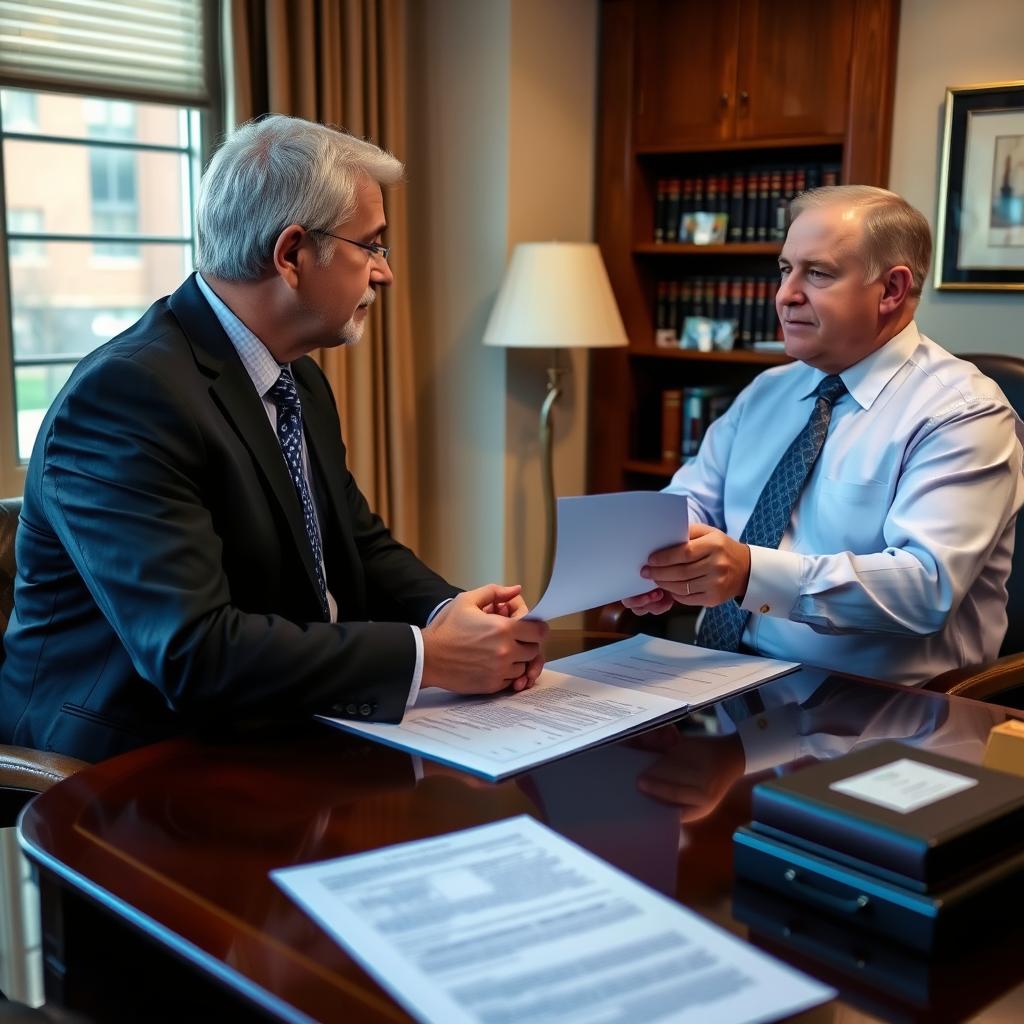
Estate Administration Lawyer Alexandria
An Estate Administration Lawyer Alexandria handles the legal process of settling a deceased person’s affairs under Virginia law. This involves probating the will, paying debts, and distributing assets to heirs. The Law Offices Of SRIS, P.C. —Advocacy Without Borders. provides direct counsel to executors and administrators in Alexandria. Our team manages filings with the Alexandria Circuit Court and resolves creditor claims. (Confirmed by SRIS, P.C.)
Statutory Definition of Estate Administration in Virginia
Virginia estate administration is governed by Title 64.2 of the Code of Virginia, which classifies the process as a civil judicial proceeding with the primary goal of transferring property and settling debts. The core statute is § 64.2-500, which establishes the duties of a personal representative, whether an executor named in a will or an administrator appointed by the court. This role carries significant fiduciary responsibility, meaning the personal representative must act in the best interest of the estate and its beneficiaries. Failure to adhere to these duties can result in personal liability. The process is not criminal, but court oversight is mandatory for most estates with assets subject to probate. The Alexandria Circuit Court maintains jurisdiction over all probate matters for city residents.
Virginia law requires a personal representative to qualify before the clerk of the circuit court. This involves posting a bond unless the will waives it. The key statutory framework includes § 64.2-509 for collecting assets, § 64.2-528 for paying debts and taxes, and § 64.2-530 for making distributions. Timelines are strict, with an inventory due within four months of qualification. Creditors have specific windows to file claims. An Estate Administration Lawyer Alexandria ensures every statutory deadline is met. This prevents legal challenges from beneficiaries or creditors. Non-compliance can delay distributions for months or years.
What are the primary duties of an executor under Virginia law?
An executor must locate the will, file it for probate, and qualify before the court. The executor must marshal all estate assets, pay valid debts and taxes, and distribute remaining property to heirs. These duties are codified in Virginia Code § 64.2-500. The executor must also file an inventory and accountings with the court. This requires detailed record-keeping and adherence to fiduciary standards.
How does Virginia law define probate assets?
Probate assets are any properties owned solely by the decedent that require a court order to transfer. This includes real estate in the decedent’s name alone, individual bank accounts, and personal property. Assets with designated beneficiaries or held in joint tenancy typically avoid probate. Virginia Code § 64.2-200 outlines the types of property subject to administration. An Alexandria lawyer reviews assets to determine what must go through probate.
What is the difference between an executor and an administrator?
An executor is named in the deceased person’s will and is appointed by the court to carry out its terms. An administrator is appointed by the court when there is no will (intestacy) or the named executor cannot serve. Both roles are personal representatives with the same core duties. The appointment process and bond requirements can differ. Virginia Code § 64.2-1400 governs administration of intestate estates. Learn more about Virginia legal services.
The Insider Procedural Edge in Alexandria
The Alexandria Circuit Court, located at 520 King Street, Alexandria, VA 22314, handles all estate administration matters for the city. All probate filings begin with the Clerk of the Circuit Court on the second floor. The local procedural fact is that this court expects precise documentation and strict adherence to statutory timelines. Filing fees are required for qualifying as a personal representative and for various petitions. The initial qualification fee is based on the estate’s value. Procedural specifics for Alexandria are reviewed during a Consultation by appointment at our Alexandria Location.
The court requires original documents, not copies, for the will and qualification paperwork. The local clerk’s Location is known for thorough review of inventories and accountings. Missing information causes immediate rejection and delays. Timeline from filing to closing an estate varies based on complexity and creditor issues. Simple estates may close in six to nine months. Contested or complex estates can take several years. An Estate Administration Lawyer Alexandria knows the specific judges and commissioners who hear probate matters. This knowledge aids in anticipating requirements for accountings and final settlement hearings.
What is the typical timeline to settle an estate in Alexandria?
A simple, uncontested estate in Alexandria often takes between eight and twelve months to settle. This timeline includes the 4-month creditor period from date of qualification. Complex estates with disputes or tax issues can extend to two years or more. The court’s schedule for hearings on final accounts also affects the timeline. An experienced lawyer manages this process efficiently.
What are the court filing fees for probate in Alexandria?
Filing fees in Alexandria Circuit Court are set by Virginia statute. The fee to qualify as a personal representative is $25. There is an additional probate tax based on the estate’s value for certain assets. Fees for filing inventories, accountings, and other motions vary. The total cost depends on the estate’s size and complexity. A lawyer provides a clear fee estimate upfront. Learn more about criminal defense representation.
Penalties & Defense Strategies for Executors
The most common penalty for executors is personal financial liability for mismanagement of estate assets. Executors can be sued by beneficiaries for breach of fiduciary duty. The court can also remove an executor for failure to perform duties. Virginia law allows for surcharges against the executor’s personal funds to cover estate losses. Civil penalties and legal fees are other potential consequences.
| Offense | Penalty | Notes |
|---|---|---|
| Failure to File Inventory | Court removal; possible contempt | Inventory due within 4 months of qualification per § 64.2-511. |
| Improper Distribution | Personal liability to repay estate | Distributing before paying debts violates statutory order. |
| Breach of Fiduciary Duty | Civil lawsuit for damages | Beneficiaries can sue for mismanagement or self-dealing. |
| Missing Tax Filings | IRS/State penalties & interest | Executor is personally responsible for filing final income and estate tax returns. |
[Insider Insight] Alexandria courts take fiduciary duties seriously. Commissioners routinely scrutinize accountings for unexplained expenses or delays. The local trend is toward holding personal representatives strictly accountable for statutory deadlines. Proactive communication with the court and beneficiaries is critical. A settling an estate lawyer Alexandria provides this shield against personal liability.
Defense strategies begin with careful record-keeping from day one. Every transaction, communication, and decision must be documented. Regular interim accountings to beneficiaries can prevent disputes. Legal counsel ensures distributions follow the precise order mandated by Virginia Code § 64.2-528. This order prioritizes costs of administration, funeral expenses, taxes, and secured debts before general creditors and heirs. A lawyer also handles creditor claims, rejecting invalid ones through proper legal channels. This protects the estate from unnecessary depletion.
Can an executor be paid for their services in Virginia?
Yes, Virginia law allows an executor to receive reasonable compensation for their services. The amount is typically a percentage of the estate’s value, as outlined in § 64.2-1204. The fee must be approved by the court and is detailed in the final accounting. Compensation is considered a cost of administration and is paid before distributions to heirs. Disputes over fees are common and require legal guidance. Learn more about DUI defense services.
Why Hire SRIS, P.C. for Estate Administration in Alexandria
Our lead attorney for estate matters in Alexandria is a seasoned litigator with over fifteen years of experience in Virginia probate courts. SRIS, P.C. has managed numerous estate administrations in Alexandria Circuit Court, achieving efficient settlements and resolving complex fiduciary disputes. Our firm differentiator is a tactical approach that anticipates court requirements and beneficiary concerns. We handle the entire process, from initial qualification to final discharge, shielding executors from personal risk.
Lead Counsel: Our Alexandria estate administration team is directed by attorneys deeply familiar with local judges and procedures. These lawyers have successfully closed estates ranging from simple transfers to multi-asset, contested proceedings. Their focus is on strict compliance, clear communication, and achieving the orderly settlement mandated by Virginia law.
We assign a dedicated legal team to each estate administration case. This team prepares all inventories, accountings, and court petitions. We communicate directly with creditors, tax authorities, and beneficiaries on your behalf. Our goal is to handle the procedural maze so you can fulfill your duties without personal exposure. The value lies in preventing costly errors that can lead to lawsuits or removal. SRIS, P.C. provides Advocacy Without Borders, applying rigorous legal standards to protect you and the estate.
Localized FAQs for Alexandria Estate Administration
How long does probate take in Alexandria, Virginia?
Probate in Alexandria typically takes 8 to 12 months for uncontested estates. The legal creditor period is 4 months from the date of qualification. Court processing and final hearing schedules add additional time. Complex cases with disputes take longer. Learn more about our experienced legal team.
What are the executor’s personal liabilities in Virginia?
An executor can be personally liable for unpaid estate taxes, debts paid out of order, or mismanaged assets. They must follow Virginia’s fiduciary duty statutes precisely. Liability arises from negligence or failure to follow court orders. Legal counsel mitigates this risk.
Do all estates have to go through probate in Alexandria?
No, only assets solely in the decedent’s name typically require probate. Jointly held assets, retirement accounts with beneficiaries, and living trusts usually avoid probate. An attorney reviews the asset portfolio to determine what must be administered.
What happens if there is no will in Alexandria?
If a person dies intestate, Virginia’s laws of descent and distribution determine heirs. The court appoints an administrator, often a close relative. The estate is distributed to spouses, children, or other kin according to statutory formulas.
Can an executor be removed in Virginia?
Yes, the Alexandria Circuit Court can remove an executor for failure to perform duties, mismanagement, or conflict of interest. Beneficiaries can petition for removal under § 64.2-528. The court will appoint a successor administrator to complete the process.
Proximity, CTA & Disclaimer
The SRIS, P.C. Alexandria Location is strategically positioned to serve clients at the Alexandria Circuit Court. Our team is familiar with the local filing procedures and judicial expectations. For direct assistance with qualifying as an executor or administering an estate, contact us. Consultation by appointment. Call 703-589-9250. 24/7.
Law Offices Of SRIS, P.C.
Alexandria, Virginia
Phone: 703-589-9250
Past results do not predict future outcomes.