
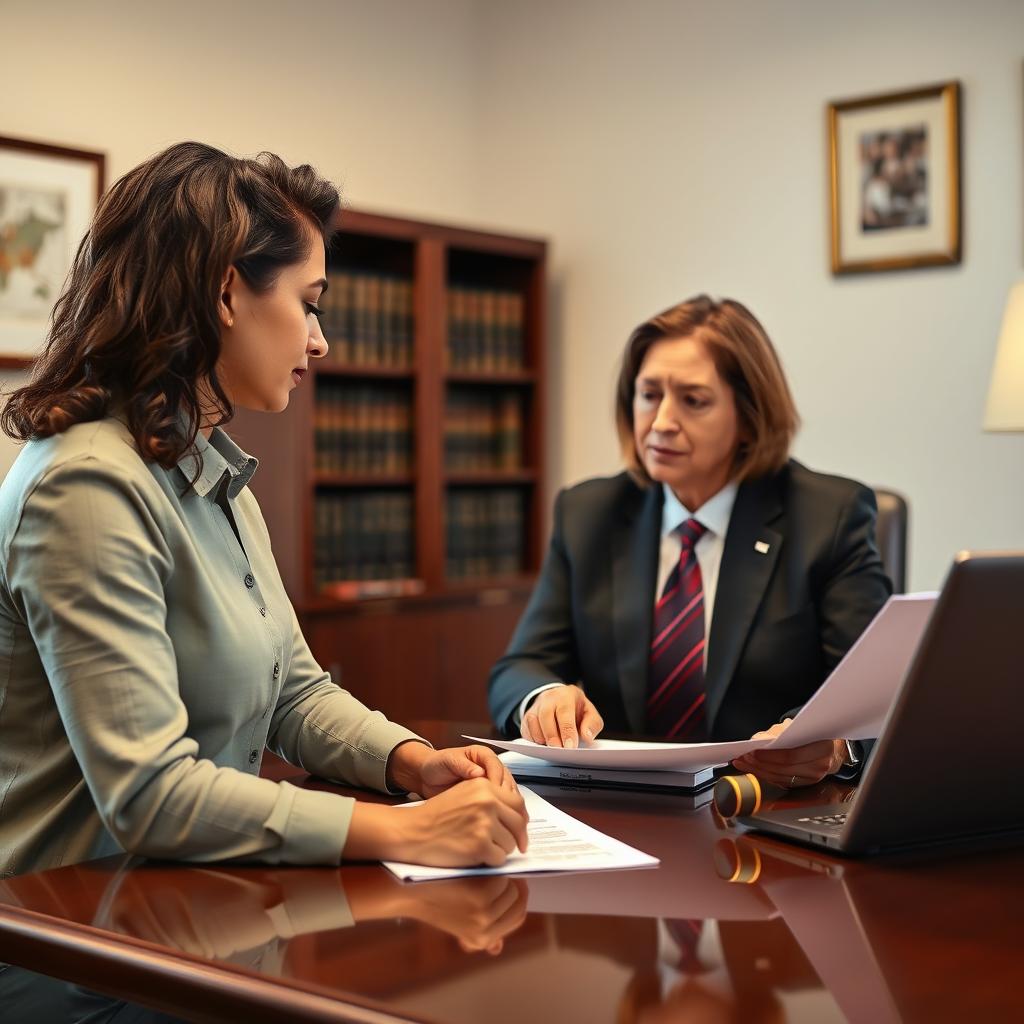
Estate Administration Lawyer Anacostia
An Estate Administration Lawyer Anacostia handles the legal process of settling a deceased person’s affairs in the District of Columbia. This involves probate court filings, asset distribution, and resolving debts. Law Offices Of SRIS, P.C.—Advocacy Without Borders. provides direct counsel for executors and administrators in Anacostia. Our team manages the challenges of DC’s probate code to protect estate assets. You need an attorney who knows the local court procedures. (Confirmed by SRIS, P.C.)
Statutory Definition of Estate Administration in DC
Estate administration in Anacostia is governed by Title 20 of the District of Columbia Code. The core process is defined under D.C. Code § 20-301, which establishes probate jurisdiction. This statute classifies estate administration as a civil judicial proceeding. The maximum oversight is the full supervision of the DC Superior Court’s Probate Division. An Estate Administration Lawyer Anacostia handles this statutory framework daily.
D.C. Code § 20-301 — Civil Judicial Proceeding — Full Court Supervision. This statute grants the Probate Division of the DC Superior Court exclusive jurisdiction over decedents’ estates. It mandates court oversight for appointing personal representatives and validating wills. The law requires formal filings to open an estate and issue letters of administration. Failure to comply can result in legal challenges and asset freezes.
The statutory framework requires strict adherence to filing deadlines and notice requirements. D.C. Code § 20-703 outlines the duties of a personal representative. These duties include inventorying assets, paying valid debts, and distributing remaining property. The law imposes fiduciary liability for mismanagement. An attorney ensures every action meets the code’s standards.
What are the primary duties of an executor under DC law?
An executor must locate the will, file it with the probate court, and manage estate assets. D.C. Code § 20-703 specifies these fiduciary duties explicitly. The executor must identify creditors and pay valid claims from estate funds. They must also file an inventory and a final accounting with the court. Failure in any duty can lead to personal liability.
How does DC law define a “small estate”?
A small estate in DC is one with a gross value of $40,000 or less, excluding real property. This is defined under D.C. Code § 20-351. Estates meeting this threshold may use a simplified administration process. This process avoids full formal probate in many cases. An attorney can determine if an estate qualifies for this expedited procedure.
What is the statutory timeline for probate in Anacostia?
The DC Code does not set a fixed calendar deadline for completing probate. The process typically takes between nine months to two years. Timelines depend on estate complexity, creditor claims, and potential disputes. The court requires periodic status updates from the personal representative. Missing court-imposed deadlines can result in sanctions.
The Insider Procedural Edge in Anacostia
The Probate Division of the DC Superior Court at 500 Indiana Avenue NW, Washington, DC 20001, handles all Anacostia estate matters. This court manages the filing, hearing, and closing of every probate case in the District. Procedural specifics for Anacostia are reviewed during a Consultation by appointment at our Anacostia Location. The court’s filing fee for opening a formal probate estate is currently $80. Additional fees apply for filing inventories, accountings, and other motions.
Local procedural fact: The Probate Division judges expect careful documentation. Petitions must be complete and properly notarized at filing. Missing a single signature can cause a weeks-long delay. The court calendar moves methodically, not quickly. Having an attorney who knows the clerks and the filing room protocols is a tangible advantage. It prevents simple errors from derailing the administration timeline.
The process starts with filing the original will and a petition for probate. If there is no will, a petition for administration must be filed. The court then schedules a hearing to appoint the personal representative. Notice must be given to all heirs and known creditors. After appointment, the personal representative must publish notice to creditors in a local newspaper. This procedural step is mandated by D.C. Code § 20-704.
Penalties, Challenges, and Defense Strategies
The most common penalty in estate administration is personal financial liability for the executor or administrator. Mismanagement can lead to surcharges ordered by the probate court. Heirs or creditors can also file lawsuits for breach of fiduciary duty. These lawsuits seek monetary damages from the personal representative’s own assets. An Estate Administration Lawyer Anacostia builds defenses against these claims.
| Offense / Challenge | Potential Penalty / Consequence | Notes |
|---|---|---|
| Breach of Fiduciary Duty | Personal liability for estate losses; Surcharge order | Defense: careful record-keeping and court approvals for all actions. |
| Failure to Notify Creditors | Extended liability period; Personal responsibility for debt | Defense: Strict adherence to DC’s publication and mailing requirements. |
| Improper Asset Distribution | Order to repay estate; Legal action from deprived heirs | Defense: Final accounting and proposed distribution approved by the court before disbursement. |
| Missing Court Deadlines | Removal as personal representative; Contempt sanctions | Defense: Proactive calendar management and filing extensions when needed. |
[Insider Insight] The DC Attorney General’s Location and private attorneys for heirs scrutinize fiduciary conduct. They frequently challenge accountings that lack detailed receipts or justify unusual expenses. Local judges are intolerant of sloppy record-keeping. The best defense is a proactive, transparent administration guided by counsel from the start. This prevents allegations of misconduct from gaining traction.
Another major challenge is will contests or disputes among heirs. These can completely halt the administration process. Defense strategy involves demonstrating strict compliance with the will’s terms and DC law. Mediation is often required by the court before a contested hearing. Having an attorney negotiate these disputes protects the estate’s assets from depletion by legal fees.
What are the costs of mishandling estate taxes in DC?
Mishandling DC estate tax can result in significant penalties and interest charges. The personal representative is personally liable for unpaid taxes plus penalties. The DC estate tax exemption is currently $4 million. Estates exceeding this threshold must file a return and pay tax within nine months of death. An attorney ensures accurate valuation and timely filing to avoid penalties.
Can an executor be removed in Anacostia?
Yes, the probate court can remove an executor for cause under D.C. Code § 20-526. Grounds include fraud, mismanagement, or failure to perform duties. The court can appoint a successor administrator to complete the process. Removal proceedings are adversarial and damage the executor’s reputation. Legal counsel is critical to respond to any petition for removal.
Why Hire SRIS, P.C. for Estate Administration in Anacostia
Our lead attorney for estate matters has over 15 years of focused probate experience in DC courts. This depth of practice provides a clear advantage in handling the Probate Division’s specific requirements. SRIS, P.C. has managed numerous estate administrations in Anacostia and across the District. We understand the local judicial temperament and procedural nuances. Our goal is efficient, conflict-free resolution for our clients.
Attorney Background: Our primary estate administration counsel is a member of the DC Bar with a practice concentrated in probate and fiduciary law. This attorney has represented personal representatives in hundreds of estate proceedings. Their experience includes complex estates with business interests, real property, and tax challenges. They guide clients through every step, from initial petition to final discharge.
The firm’s approach is direct and procedural. We file accurate documents on time. We communicate clearly with heirs and creditors to minimize disputes. We prepare detailed accountings that withstand court scrutiny. Our team handles the legal work so our clients can focus on their personal responsibilities. We provide experienced legal team support for all fiduciary duties.
Choosing SRIS, P.C. means choosing advocacy without borders in the practical sense. We serve clients in Anacostia with the same dedicated representation we provide everywhere. Our Location is staffed to handle DC’s unique probate system. We protect executors and administrators from personal liability. We ensure the deceased’s wishes are honored under the law.
Localized FAQs for Estate Administration in Anacostia
How long does probate take in Anacostia, DC?
Probate in Anacostia typically takes 9 to 24 months. Uncontested estates with clear assets move faster. Disputes among heirs or creditor claims can extend the timeline significantly. The court’s schedule also affects the final duration.
What does a settling an estate lawyer Anacostia do?
A settling an estate lawyer Anacostia guides the personal representative through the legal process. They prepare and file all required court documents. They handle creditor notifications and tax filings. They ensure final distribution complies with the will or DC law.
What are the key executor duties lawyer Anacostia advisors stress?
Key duties include securing estate assets, paying valid debts, and filing tax returns. The executor must avoid conflicts of interest and keep separate financial records. They must communicate with heirs and obtain court approval for major actions.
Do all estates have to go through probate in DC?
No. Estates with only jointly-held property or designated beneficiaries may avoid probate. Small estates under $40,000 can use a simplified affidavit process. An attorney reviews asset titles to determine if probate is necessary.
Who can challenge a will in Anacostia?
Heirs-at-law who would inherit if there were no will can challenge it. Interested parties must file a formal objection in the Probate Division. Grounds include lack of testamentary capacity, undue influence, or improper execution. Challenges must be filed within a limited time after probate is opened.
Proximity, CTA & Disclaimer
Our Anacostia Location is strategically positioned to serve clients in the Southeast DC area. We are easily accessible for meetings to discuss estate administration needs. Consultation by appointment. Call 24/7. Our phone number is (703) 636-5417. Our legal team is ready to provide direct counsel on your role as an executor or administrator.
SRIS, P.C. operates multiple Locations to serve clients across jurisdictions. Our attorneys are licensed in DC, Virginia, and other states. For matters involving Virginia family law or cross-border issues, our multi-state capability is essential. We also provide criminal defense representation in related matters that may intersect with estate cases.
If you are facing a complex estate situation, do not delay. The probate process has strict deadlines. Contact SRIS, P.C. to schedule a case review with an attorney familiar with Anacostia’s Probate Division. We offer clear guidance on your legal obligations and rights.
Past results do not predict future outcomes.