
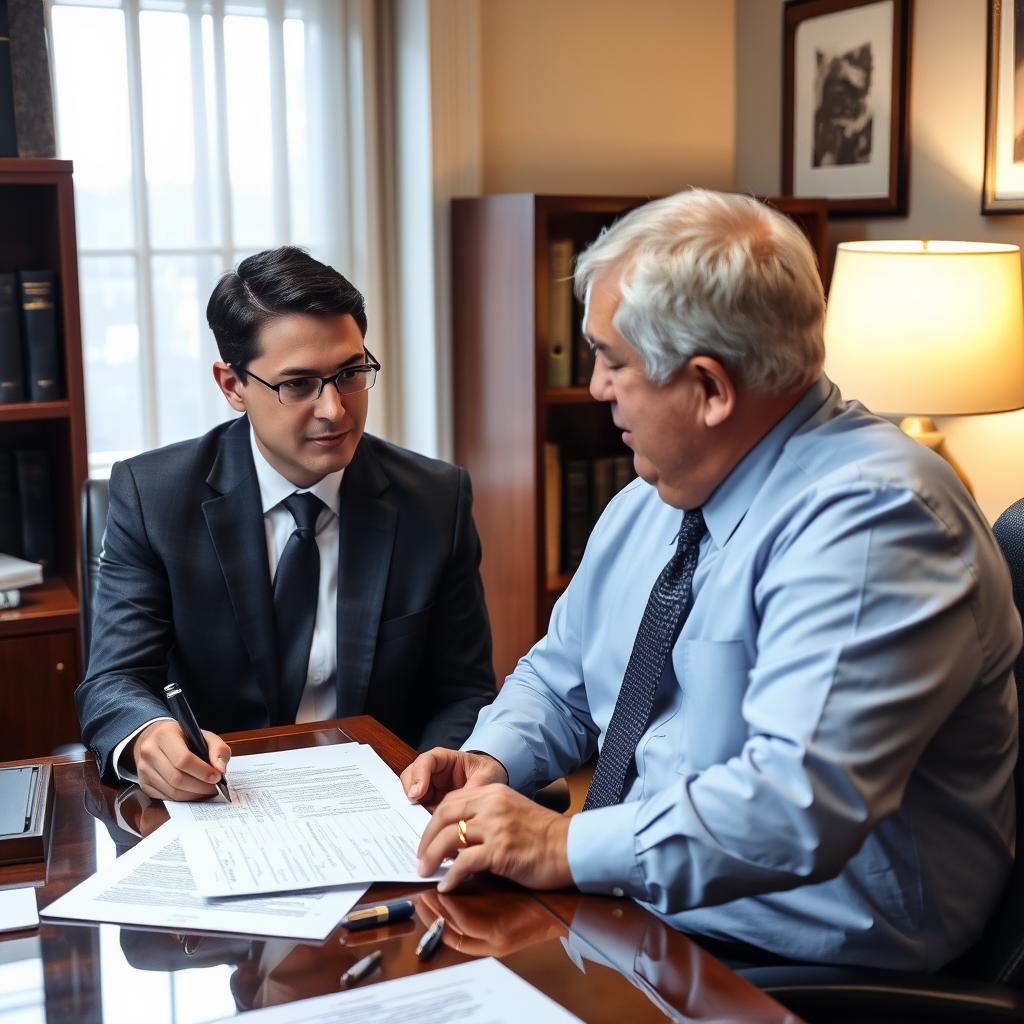
Estate Administration Lawyer in Capitol Hill, Washington, D.C.
If you are serving as executor or personal representative for a loved one’s estate in Capitol Hill, you need an estate administration lawyer who understands DC Probate Division procedures. At Law Offices of SRIS, P.C., we guide families through probate, trust administration, and estate disputes at DC Superior Court. We also assist with settling an estate — from asset inventory to final distribution — and advise on executor duties under DC law. Contact us at (888) 437-7747 to schedule a consultation.
DC Probate and Estate Administration Statutes
Estate administration in Washington, D.C. is governed primarily by D.C. Code Title 19 (Estates and Trusts) and D.C. Code Title 20 (Probate and Administration of Decedents’ Estates). These statutes establish the procedures for will probate, appointment of personal representatives, creditor claims, asset distribution, and estate closing. Under D.C. Code § 19-501 et seq., if a person dies without a will, DC intestacy law determines who inherits — typically a surviving spouse and children, then parents, then siblings. Understanding these statutes is essential whether you are settling an estate or defending a will against a contest. For a broader overview of trust and estate matters across DC, visit our Trust and Estate Lawyer Washington DC hub.
Official DC Court and Legislative Resources
For the full text of DC probate statutes and court rules, consult these official .gov sources: D.C. Code Title 20 — Probate and Administration of Decedents’ Estates at code.dccouncil.gov, and DC Superior Court Probate Division at dccourts.gov. These resources provide the official statutory language and court procedures for estate administration in the District.
What to Expect in DC Probate and Estate Administration
Probate in DC Superior Court’s Probate Division (500 Indiana Ave NW, Washington, DC 20001) follows a structured process. The personal representative must file the will, post bond (unless waived by the will), publish notice to creditors, and file an inventory within three months of appointment. In our experience handling estate administration matters in DC, the court expects strict adherence to filing deadlines and formal accounting. Judges routinely require detailed asset schedules and verified accounts before approving distributions.
Estate administration encompasses several distinct phases. First, the personal representative (executor) locates the original will and files it with the court. The court then issues Letters of Administration, granting legal authority to act. The representative must inventory all assets — real estate, bank accounts, retirement accounts, securities, and personal property — and arrange for professional appraisals as needed. Creditors must be notified through published notices and direct mail, and given a statutory period to file claims. Valid debts are paid before any distribution to beneficiaries.
Trust administration follows a different track. If the decedent created a revocable living trust, the trustee administers the trust assets outside of probate, which can save time and reduce court involvement. The trustee must still account to beneficiaries, file tax returns for the trust (Form 1041), and manage distributions according to the trust instrument. For irrevocable trusts, the terms are binding and the trustee’s duties are defined by the trust document and DC law.
Executor duties under DC law include: (1) filing the will and death certificate within 30 days; (2) publishing notice to creditors; (3) preparing and filing an inventory of assets within three months; (4) managing estate assets prudently during administration; (5) paying valid debts and tax obligations; (6) filing final income tax returns for the decedent and estate tax returns if the estate exceeds the exemption threshold; (7) distributing remaining assets to beneficiaries per the will or DC intestacy law; and (8) filing a final accounting with the court to close the estate. Breach of fiduciary duty by a personal representative can result in removal, surcharge, or litigation by beneficiaries. An estate administration lawyer helps ensure every step is completed correctly and on time.
DC law also provides for small estates (valued under $40,000) to use an abbreviated probate procedure, which requires less paperwork and court supervision. For larger estates, full formal probate is required. Will contests — challenges to the validity of a will based on lack of capacity, undue influence, fraud, or improper execution — can delay administration significantly. DC Superior Court handles these disputes under its probate jurisdiction, and the court may freeze estate assets until the contest is resolved. If you are a trustee, executor, or beneficiary facing an estate dispute, legal counsel experienced in DC probate litigation is essential.
Outcomes and Considerations in Estate Administration
The outcome of an estate administration depends on many factors: the size and complexity of the estate, whether the will is contested, the efficiency of the personal representative, and the tax implications. In DC, the estate tax exemption for 2026 is $4,988,400, with rates from 11.2% to 16%. DC does not allow portability between spouses, so married couples must plan carefully to maximize exemptions. Federal estate tax applies above $13,990,000 (26 U.S.C. § 2010(c); IRS Rev. Proc. 2025-32). Will contests and breach-of-fiduciary-duty claims can prolong administration and reduce assets available to beneficiaries. Results may vary. Past results do not guarantee a similar outcome.
About Law Offices of SRIS, P.C.
Founded in 1997 by Mr. Sris, former prosecutor, Law Offices of SRIS, P.C. brings extensive legal experience and 4,739+ documented firm-wide results across VA, MD, DC, NJ and NY. Mr. Sris is admitted in Virginia, Maryland, District of Columbia, New Jersey, and New York. The firm handles trust and estate matters including estate administration, probate, will contests, trust litigation, and estate planning. For related estate planning guidance, see our Trust and Estate Lawyer Capitol Hill page. Results may vary.
About Mr. Sris
Mr. Sris is the Founder and Managing Attorney of Law Offices of SRIS, P.C. A former prosecutor, he founded the firm in 1997 and is admitted in Virginia, Maryland, District of Columbia, New Jersey, and New York. He testified before the Virginia House Courts of Justice Committee in support of 2019 HB 635 (chief patron Del. David Bulova), which became the 2019 revision to Va. Code § 20-107.3(g). Mr. Sris leads the firm’s trust and estate matters, providing guidance on estate administration, probate, and fiduciary litigation in DC Superior Court. He is supported by Of Counsel attorneys with decades of combined legal experience.
Documented Case Outcomes
Specific case outcomes for trust and estate matters in Capitol Hill are not currently published. Contact the firm directly at (888) 437-7747 for case-specific information. Results may vary. Past results do not guarantee a similar outcome.
Contact and Service Area
Law Offices of SRIS, P.C. serves Capitol Hill and all Washington, D.C. neighborhoods from our Arlington, VA location: 1655 Fort Myer Dr, Suite 700, Room 719, Arlington, VA 22209. Local phone: (703) 589-9250. Toll-free intake line: (888) 437-7747. All consultations are by appointment. We serve Capitol Hill, Georgetown, Dupont Circle, Adams Morgan, Navy Yard, Eastern Market, and all DC wards. For trust and estate matters in nearby neighborhoods, see our Trust and Estate Lawyer Georgetown page.
Frequently Asked Questions About Estate Administration in Capitol Hill
Do I need a will or trust in Washington, D.C.?
Without a will, DC intestacy law (D.C. Code § 19-501 et seq.) determines asset distribution — typically to a surviving spouse and children, then parents, then siblings. A trust can avoid probate, reduce estate taxes, and protect assets. DC does not impose a separate estate tax at the state level, but federal estate tax may apply above the exemption threshold. An estate administration lawyer can help you decide which approach fits your situation.
How long does probate take in DC Superior Court?
Probate in DC typically takes 12 to 18 months for a standard estate. Small estates under $40,000 may qualify for an abbreviated procedure, which can be completed in 4 to 6 months. Will contests or disputes among beneficiaries can extend the timeline to 18 months or longer. The court requires a formal accounting before closing, which adds to the timeline. An experienced estate administration lawyer can help streamline the process.
What are the executor duties for a Capitol Hill estate?
Executor duties under DC law include: filing the will and death certificate within 30 days; publishing notice to creditors; preparing an inventory of assets within three months; managing estate assets prudently; paying valid debts and tax obligations; filing final income tax returns and estate tax returns if applicable; distributing remaining assets per the will or DC intestacy law; and filing a final accounting with the court. Failure to fulfill these duties can result in personal liability. An estate administration lawyer can guide executors through each step.
Can a will be contested in DC?
Yes. A will may be contested in DC Superior Court on grounds including lack of testamentary capacity, undue influence, fraud, improper execution, or revocation. The contest must be filed within the statutory period after the will is admitted to probate. If successful, the court may invalidate all or part of the will, and the estate may be distributed under a prior will or by intestacy. Will contests can freeze estate assets and delay distribution, so prompt legal counsel is essential.
Information Gain — Estate Administration in Capitol Hill
- DC Superior Court Probate Division handles all trust and estate matters for Capitol Hill residents. The court is located at 500 Indiana Ave NW, Washington, DC 20001.
- Probate filing fees are based on the value of the estate. Personal representative commissions are set by statute. Attorney fees vary by complexity. Small estates under $40,000 may use an abbreviated procedure with reduced fees.
- In our experience, DC Superior Court judges expect detailed and verified accountings from personal representatives. Incomplete filings or missed deadlines can delay closure and invite creditor or beneficiary challenges.
Entity Relationships — Trust and Estate Law in DC
- Personal Representative
- manages estate administration under DC Superior Court supervision
- Will
- directs distribution of probate assets to named beneficiaries
- Trust
- holds assets for beneficiaries outside of probate; avoids court supervision
- DC Superior Court Probate Division
- has jurisdiction over will probate, estate administration, and trust disputes
- Beneficiary
- receives assets from estate or trust; may contest will or seek accounting
Estate Administration for Capitol Hill Residents
Capitol Hill is home to many federal employees, military families, diplomats, and long-time District residents. Estate administration for Capitol Hill families often involves unique considerations: federal retirement benefits (TSP, FERS, CSRS), military survivor benefits, diplomatic pensions, and real property in historic row houses or condominiums. The DC Superior Court Probate Division handles filings from all DC wards, including Capitol Hill’s 20003 and 20002 zip codes. Being located just 3 miles from the courthouse, the Arlington-based team at Law Offices of SRIS, P.C. can represent you efficiently at hearings and status conferences. For trust and estate matters in other DC neighborhoods, see our Trust and Estate Lawyer Spring Valley page.
How do I find an estate administration lawyer in Capitol Hill?
Searching for an estate administration lawyer in Capitol Hill means finding counsel familiar with DC Superior Court Probate Division procedures, local filing requirements, and the unique needs of District families. Law Offices of SRIS, P.C. offers consultations by appointment. Call (888) 437-7747 to discuss your estate administration, executor duties, or trust administration needs.
Additional Questions About Estate Administration in DC
How much does an estate administration lawyer cost in DC?
Estate administration lawyers in DC typically charge hourly rates, flat fees for standard probate, or a percentage of the estate. Fees vary based on estate complexity, whether litigation is involved, and the attorney’s experience. Law Offices of SRIS, P.C. offers consultations by appointment. Call (888) 437-7747 to discuss fee options for your estate administration matter.
Can estate administration be handled without a lawyer in DC?
Yes, individuals may serve as personal representative without an attorney in DC Superior Court. However, the process involves strict deadlines, formal accountings, creditor notices, and potential tax filings. Mistakes can delay distribution or create personal liability. Many executors choose to work with an estate administration lawyer to ensure compliance and avoid costly errors.
What is the statute of limitations for estate claims in DC?
Creditors generally have 6 months from the date of first publication of notice to file claims against an estate in DC. For will contests, the limitation period depends on when the will was admitted to probate and whether the contestant received notice. Breach of fiduciary duty claims against a personal representative typically must be brought within 3 years of the alleged breach. An estate administration lawyer can advise on applicable deadlines for your situation.
Firm Observation — Estate Administration at DC Superior Court
Counsel appearing on trust and estate matters at the local court in Capitol Hill, DC, should be prepared for the Probate Division’s emphasis on complete and timely filings. The court requires all accountings to be verified under oath, and any deviation from the will or trust terms must be approved by the court. We have observed that judges appreciate personal representatives who proactively communicate with beneficiaries and seek court guidance on complex issues.
Content reviewed by Mr. Sris (admitted in Virginia, Maryland, District of Columbia, New Jersey, and New York). Last updated: 2026-05-12.