
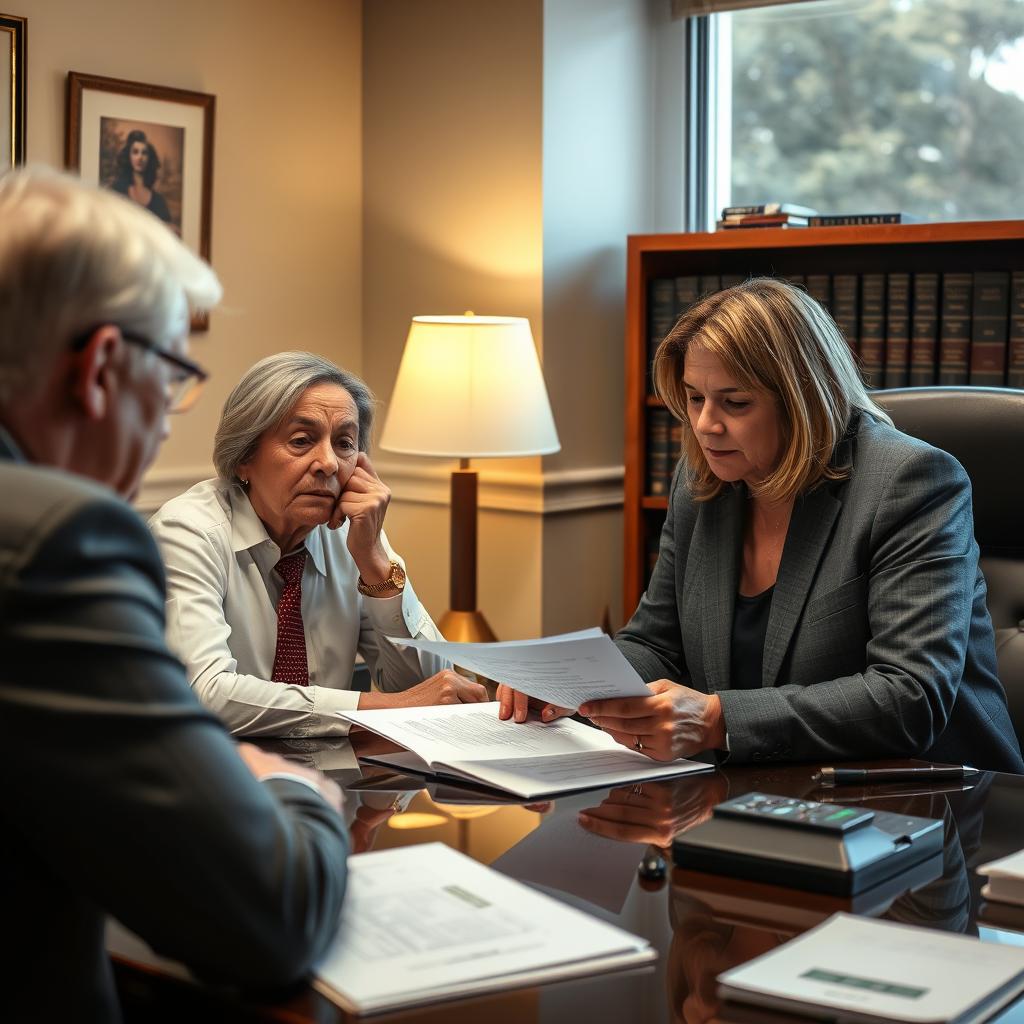
Estate Administration Lawyer Caroline County
An Estate Administration Lawyer Caroline County guides executors and administrators through the Virginia probate process. This legal professional ensures compliance with state law and Caroline County Circuit Court procedures. Law Offices Of SRIS, P.C.—Advocacy Without Borders. provides this critical service. Our team handles asset collection, creditor notification, and final distribution. We protect fiduciaries from personal liability. (Confirmed by SRIS, P.C.)
Statutory Definition of Estate Administration in Virginia
Virginia estate administration is governed by Title 64.2 of the Code of Virginia. The core statute is § 64.2-500, which defines the qualification and duties of a personal representative. This role is a fiduciary position with legal accountability to the court and beneficiaries. The process is mandatory for transferring titled assets after a death. An Estate Administration Lawyer Caroline County ensures every statutory step is followed correctly.
The Virginia probate code is detailed. It outlines specific timelines for inventory filing, creditor notices, and accountings. Non-compliance can lead to personal liability for the executor or administrator. The Caroline County Circuit Court oversees all probate matters within its jurisdiction. Judges expect strict adherence to the statutory framework. Legal guidance is not a luxury; it is a necessity for protection.
What are the primary duties of an executor under Virginia law?
An executor must locate the will, file it with the court, and manage estate assets. The executor must identify and notify creditors, pay valid debts, and file tax returns. Finally, the executor distributes remaining assets to the rightful beneficiaries. Each duty has a statutory deadline. Missing a deadline can complicate the entire process.
How does Virginia law define a “small estate”?
Virginia Code § 64.2-600 allows for a simplified administration process for small estates. An estate may qualify if the probate assets do not exceed $50,000. This process bypasses some formal court supervision. It requires filing a specific affidavit form. An attorney can confirm if an estate meets the small estate criteria.
What is the difference between an executor and an administrator?
An executor is named in the deceased person’s will to carry out its terms. An administrator is appointed by the court when there is no will or the named executor cannot serve. Both roles are “personal representatives” with the same core duties. The court’s oversight and the appointment process differ slightly. The legal responsibilities remain equally serious.
The Insider Procedural Edge in Caroline County
The Caroline County Circuit Court is located at 112 Courthouse Lane, Bowling Green, VA 22427. All probate matters for Caroline County estates are filed here. The court clerk’s Location handles the submission of wills and qualification documents. Procedural specifics for Caroline County are reviewed during a Consultation by appointment at our Caroline County Location. Local practice requires attention to detail from the initial filing. Learn more about Virginia legal services.
The court expects complete and accurate paperwork. Missing information causes delays. The filing fee to qualify as a personal representative is set by Virginia statute. It is based on the value of the probate estate assets. The court may also require a bond unless the will waives it. Timelines for inventory and accountings are strictly enforced by the Caroline County Circuit Court.
The legal process in Caroline County follows specific procedural requirements that affect case timelines and outcomes. Courts in this jurisdiction apply local rules that may differ from neighboring areas. An attorney familiar with Caroline County court procedures can identify procedural advantages relevant to your situation.
What is the typical timeline for probate in Caroline County?
Formal estate administration in Virginia typically takes nine to eighteen months. The initial qualification should occur soon after death. An inventory of assets is due within four months. Creditors have one year from the date of qualification to file claims. Final distribution cannot occur until this creditor period expires. A settling an estate lawyer Caroline County manages this timeline.
What documents are needed to start the probate process?
You need the original will and death certificate to start probate. The court also requires a list of heirs and a rough estimate of asset values. The personal representative must complete qualification forms. These forms include an acceptance of duties and an oath. The Caroline County Circuit Court provides specific forms for filing.
Penalties & Defense Strategies for Fiduciaries
The most common penalty for fiduciary errors is personal financial liability. An executor or administrator can be held personally responsible for losses to the estate. This occurs due to mismanagement, missed deadlines, or improper distributions. The Caroline County Circuit Court can surcharge a fiduciary for breaches of duty. A strong legal defense is built on careful record-keeping and adherence to procedure. Learn more about criminal defense representation.
Virginia law establishes specific statutory frameworks that govern these matters. Each case involves unique factual circumstances that require careful legal analysis. SRIS, P.C. attorneys evaluate every relevant factor when developing case strategy for clients in Caroline County.
| Offense | Penalty | Notes |
|---|---|---|
| Failure to File Inventory | Court summons; potential removal | Inventory due within 4 months of qualification. |
| Improper Distribution | Personal liability to repay beneficiaries | Cannot distribute before creditor period ends. |
| Breach of Fiduciary Duty | Surcharge; court costs; attorney fees | Includes self-dealing or negligence. |
| Missing Accounting Deadline | Court contempt proceedings | Accountings are required annually. |
[Insider Insight] The Caroline County Commonwealth’s Attorney can pursue criminal charges for extreme fiduciary fraud. Embezzlement or forgery of estate assets may lead to felony charges. Civil liability is the more frequent concern for well-meaning executors. The court’s primary goal is protecting beneficiaries and ensuring lawful process. Proactive legal guidance is the best defense against any penalty.
Can an executor be removed in Caroline County?
Yes, the Caroline County Circuit Court can remove an executor for cause. Grounds include failure to perform duties, waste of assets, or a conflict of interest. Beneficiaries can petition the court for removal. The court will hold a hearing to consider the evidence. Having an executor duties lawyer Caroline County can prevent such actions.
What are the tax implications for an estate in Virginia?
Virginia does not have a state-level inheritance tax. Estates may owe federal estate tax if the value exceeds the federal exemption. Virginia income tax may be due on income earned by the estate after death. Final personal income tax returns for the deceased are also required. Proper tax filing is a critical part of administration.
Court procedures in Caroline County require proper documentation and adherence to filing deadlines. Missing a deadline or submitting incomplete filings can negatively impact case outcomes. Working with an attorney who handles cases in Caroline County courts regularly ensures that procedural requirements are met correctly and on time. Learn more about DUI defense services.
Why Hire SRIS, P.C. for Estate Administration
Bryan Block, a former Virginia State Trooper, leads our probate practice with direct courtroom experience. His background provides a strategic understanding of evidence and procedure. He knows how to build a defensible record for fiduciaries. SRIS, P.C. has managed numerous estate matters in Caroline County. We focus on efficient, compliant administration to shield clients from liability.
Bryan Block
Former Virginia State Trooper
Extensive Caroline County Circuit Court experience
Focuses on fiduciary protection and procedural compliance
The timeline for resolving legal matters in Caroline County depends on multiple factors including case type, court scheduling, and the positions of all parties involved. SRIS, P.C. keeps clients informed throughout the process and works to move cases forward as efficiently as possible.
Our firm differentiator is proactive risk management. We don’t just file papers; we implement systems. We track deadlines, manage creditor communications, and prepare court accountings. This disciplined approach prevents the errors that lead to personal liability. SRIS, P.C. provides advocacy without borders from our Caroline County Location. We handle the legal burden so our clients can focus on family.
Localized FAQs for Caroline County Estate Administration
How long does probate take in Caroline County, Virginia?
Probate typically takes 9 to 18 months in Caroline County. The creditor claim period is one year from executor qualification. Final distribution usually occurs after this period closes. Simple estates may conclude faster. Learn more about our experienced legal team.
What happens if someone dies without a will in Caroline County?
They die “intestate.” Virginia’s intestacy laws determine asset distribution. The court appoints an administrator, often a spouse or adult child. The probate process is still required to transfer assets legally.
Financial implications are often a significant concern in legal proceedings. Virginia courts consider relevant financial factors when making determinations. Proper preparation of financial documentation strengthens your position and supports favorable outcomes in Caroline County courts.
Can I handle estate administration without a lawyer in Virginia?
It is legally possible but risky. Executors assume personal liability for errors. The Virginia probate code and court rules are complex. Legal counsel protects you from costly mistakes.
What are the executor fees in Virginia?
Virginia law allows reasonable compensation for an executor’s services. Fees are typically a percentage of the estate assets. The amount must be approved by the Caroline County Circuit Court. Fees are often negotiated with beneficiaries.
How do I find a probate lawyer in Caroline County?
Contact SRIS, P.C. at our Caroline County Location. We offer a Consultation by appointment to review your specific estate situation. Call our team 24/7 to schedule a case review.
Proximity, CTA & Disclaimer
Our Caroline County Location serves clients throughout the region. We are accessible for meetings to discuss estate administration needs. Consultation by appointment. Call 24/7. Our legal team is ready to provide the guidance you require for settling an estate in Virginia.
Law Offices Of SRIS, P.C.
Advocacy Without Borders.
Consultation by appointment. Call 24/7.
Past results do not predict future outcomes.