
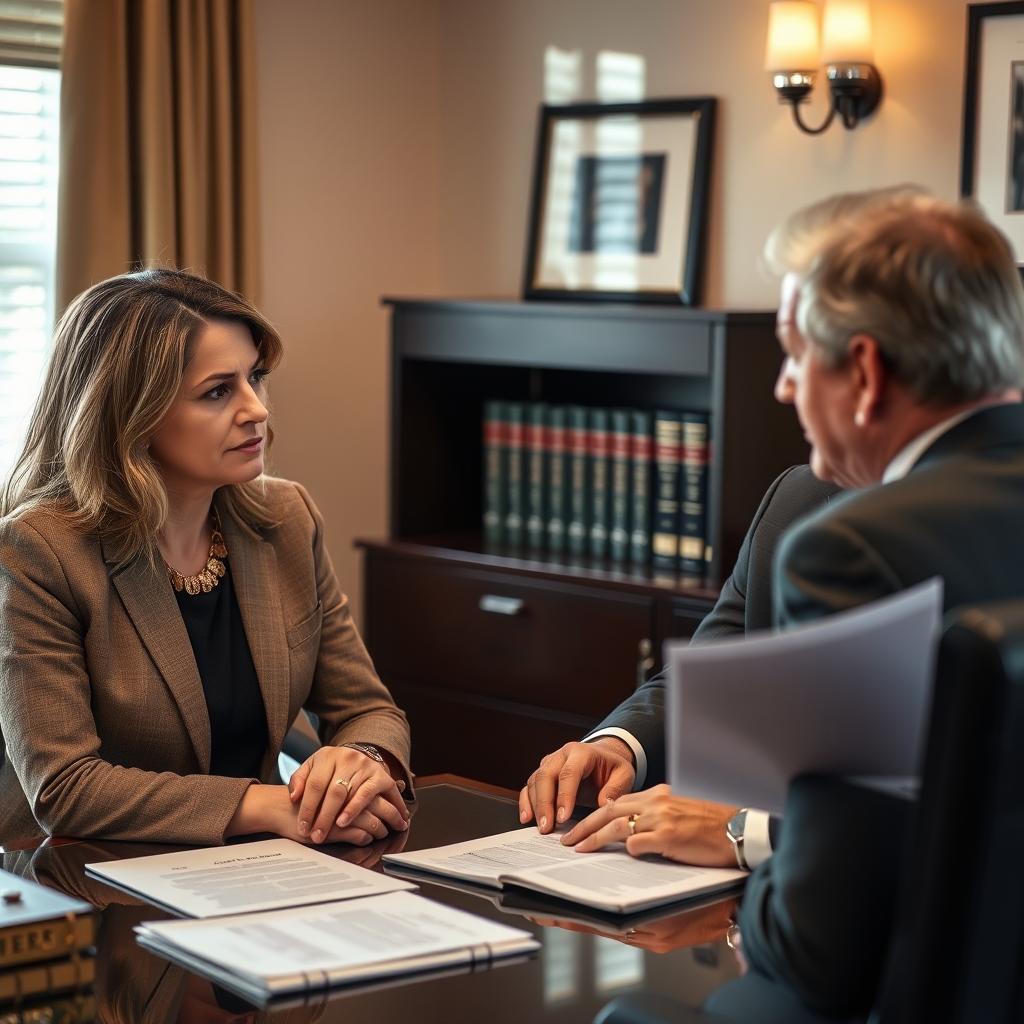
Estate Administration Lawyer Wesley Heights
An Estate Administration Lawyer Wesley Heights manages the legal process of settling a deceased person’s affairs in the District of Columbia. This involves probating the will, paying debts, and distributing assets to beneficiaries. The process is governed by D.C. Code Title 20. Law Offices Of SRIS, P.C. —Advocacy Without Borders. provides direct counsel for executors and administrators in Wesley Heights. (Confirmed by SRIS, P.C.)
Statutory Definition of Estate Administration in D.C.
Estate administration in the District of Columbia is defined under D.C. Code Title 20, specifically Chapters 3 and 5, which govern probate and fiduciary duties. The process is a court-supervised legal procedure to validate a will, appoint a personal representative, and oversee the distribution of a decedent’s estate. The primary goal is to ensure debts are paid and assets are transferred according to the will or D.C. intestacy laws. An Estate Administration Lawyer Wesley Heights must handle these statutes precisely. Failure to comply can result in personal liability for the executor or administrator. The Probate Division of the D.C. Superior Court has exclusive jurisdiction over these matters. Understanding the local application of these codes is critical for a smooth administration.
D.C. Code § 20-303 — Formal Probate — Jurisdiction rests with the D.C. Superior Court Probate Division. This statute outlines the procedure for formally probating a will and appointing a personal representative. The court’s authority is mandatory for estates with assets subject to probate in the District. The personal representative receives formal letters of administration, granting legal authority to act.
What are the key duties of a personal representative in Wesley Heights?
A personal representative must locate the will, file it with the Probate Division, and petition for appointment. They must inventory all estate assets, manage them prudently, and pay valid creditors. Finally, they must file tax returns and distribute remaining assets to the rightful heirs or beneficiaries. These duties are non-delegable legal responsibilities.
How does D.C. law define probate assets?
Probate assets in D.C. are any properties held solely in the decedent’s name without a designated beneficiary. This includes real estate in Wesley Heights held individually, bank accounts, and personal property. Non-probate assets like life insurance or jointly-held property bypass this process. An attorney can help identify which assets require court supervision.
What is the timeline for opening an estate in D.C.?
There is no statutory deadline to open an estate, but creditors can file claims for up to six months after the personal representative’s appointment. Delays can complicate asset management and increase liability. Initiating the process promptly with an Estate Administration Lawyer Wesley Heights is the standard advice to protect all parties.
The Insider Procedural Edge in Wesley Heights
The Probate Division of the D.C. Superior Court, located at 500 Indiana Avenue NW, Washington, DC 20001, handles all estate matters for Wesley Heights. Filing fees vary based on the estate’s gross asset value, starting at $50 for estates under $40,000. The court requires specific forms, including the Petition for Probate and the Inventory. Local procedural practice emphasizes accuracy in the initial filing to avoid delays. The court clerk’s Location can be particular about form completion. Having an attorney familiar with this Location’s expectations prevents administrative setbacks. The timeline from filing to closing can range from several months to over a year, depending on complexity. Learn more about Virginia legal services.
What is the specific filing process at the D.C. Probate Court?
You must file the original will, a death certificate, and a completed petition with the Probate Division. The court will schedule a hearing if the will is contested or if the petition is for formal administration. For informal probate, the court may issue letters without a hearing. Missing documentation is the most common cause for rejection.
The legal process in Wesley Heights follows specific procedural requirements that affect case timelines and outcomes. Courts in this jurisdiction apply local rules that may differ from neighboring areas. An attorney familiar with Wesley Heights court procedures can identify procedural advantages relevant to your situation.
What are the common local procedural hurdles?
Court calendars are often crowded, leading to scheduling delays for required hearings. Notices to heirs and creditors must strictly comply with D.C. publication rules. Valuation of unique assets, like art or Wesley Heights real estate, may require appraisals. An experienced lawyer anticipates these hurdles and plans accordingly.
Penalties for Mismanagement & Defense Strategies
The most common penalty for estate mismanagement is personal financial liability for the personal representative. Executors and administrators can be held personally responsible for losses due to negligence, fraud, or failure to follow court orders. The Probate Division can surcharge a representative for damages and remove them from their role. Beneficiaries can also file civil lawsuits for breach of fiduciary duty. Defenses often hinge on demonstrating good faith and adherence to the prudent investor rule. Detailed record-keeping is the first line of defense against any allegation of misconduct.
Virginia law establishes specific statutory frameworks that govern these matters. Each case involves unique factual circumstances that require careful legal analysis. SRIS, P.C. attorneys evaluate every relevant factor when developing case strategy for clients in Wesley Heights. Learn more about criminal defense representation.
| Offense / Issue | Potential Penalty / Consequence | Notes |
|---|---|---|
| Failure to File Inventory | Contempt of Court; Removal | Court can impose fines and appoint a successor. |
| Improper Asset Distribution | Personal Liability to Repay Estate | You may have to use personal funds to correct errors. |
| Missing Tax Filings | IRS Penalties & Interest | Penalties accrue on the estate and can become personal debt. |
| Breach of Fiduciary Duty | Civil Lawsuit for Damages | Beneficiaries can sue for lost value or mismanagement. |
[Insider Insight] The D.C. Attorney General’s Location and the Probate Court take a strict view on self-dealing or conflicts of interest. Local judges expect careful accounting, especially for estates with Wesley Heights real property. Prosecutors for fiduciary matters prioritize cases where vulnerable beneficiaries are involved. Having legal counsel creates a documented buffer and demonstrates due diligence.
How can a lawyer defend against surcharge actions?
A lawyer presents detailed records of all transactions, communications, and court filings. They demonstrate compliance with D.C. Code requirements for asset management. They can argue reliance on professional advice, such as from accountants or appraisers. The defense aims to show all actions were reasonable and in the estate’s best interest.
What are the risks of administering an estate without a lawyer?
You risk missing statutory deadlines, improper notice to heirs, and incorrect tax filings. These errors can lead to personal financial liability and costly litigation. The procedural rules are complex, and the court offers no leniency for non-lawyers. The potential cost of a mistake far exceeds the cost of hiring a settling an estate lawyer Wesley Heights.
Court procedures in Wesley Heights require proper documentation and adherence to filing deadlines. Missing a deadline or submitting incomplete filings can negatively impact case outcomes. Working with an attorney who handles cases in Wesley Heights courts regularly ensures that procedural requirements are met correctly and on time.
Why Hire SRIS, P.C. for Estate Administration in Wesley Heights
Our lead attorney for estate matters has over 15 years of focused experience in D.C. probate law. This depth of knowledge is critical for handling the local court system efficiently. SRIS, P.C. has managed numerous estate administrations in the District, ensuring familiarity with local judges and procedures. We understand the specific challenges of administering estates that include Wesley Heights properties. Our approach is direct and procedural, focusing on compliance and risk mitigation for the personal representative. Learn more about DUI defense services.
Attorney Profile: Our primary estate administration counsel has a proven track record in the D.C. Probate Division. This attorney’s background includes handling complex estates with multi-jurisdictional assets. They guide clients through every step, from the initial petition to the final distribution. Their focus is on preventing liability and achieving a timely estate closure.
The timeline for resolving legal matters in Wesley Heights depends on multiple factors including case type, court scheduling, and the positions of all parties involved. SRIS, P.C. keeps clients informed throughout the process and works to move cases forward as efficiently as possible.
We assign a dedicated legal team to each case, ensuring consistent communication. Our firm differentiates itself by providing clear, actionable advice without unnecessary complexity. We prepare all court documents, manage creditor claims, and coordinate with tax professionals. For executors facing daunting duties, our representation provides essential legal protection and peace of mind.
Localized FAQs for Estate Administration in Wesley Heights
How long does probate take in Wesley Heights, D.C.?
Probate typically takes 9 to 18 months in D.C. for an uncontested estate. Complex estates or disputes can extend the timeline significantly. An executor duties lawyer Wesley Heights can help expedite the process.
What are the executor’s fees in Washington D.C.?
D.C. law allows reasonable compensation for executors, often a percentage of the estate’s value. Fees must be approved by the Probate Court. Most family executors waive fees to preserve estate assets for heirs. Learn more about our experienced legal team.
Can probate be avoided for a Wesley Heights estate?
Probate can be avoided with proper estate planning, like living trusts or beneficiary designations. Assets held jointly or in trust typically bypass probate. An attorney can review your assets to minimize probate requirements.
Financial implications are often a significant concern in legal proceedings. Virginia courts consider relevant financial factors when making determinations. Proper preparation of financial documentation strengthens your position and supports favorable outcomes in Wesley Heights courts.
What happens if someone dies without a will in D.C.?
D.C. intestacy laws dictate asset distribution to surviving spouses, children, or other relatives. The court appoints an administrator, often a family member. The process follows the same probate procedures but uses statutory inheritance rules.
Who can contest a will in the District of Columbia?
Heirs-at-law, beneficiaries, or creditors with a legal interest can contest a will in D.C. Grounds include lack of capacity, undue influence, or improper execution. Challenges must be filed within a limited time after probate proceedings begin.
Proximity, CTA & Disclaimer
Our Wesley Heights Location is centrally positioned to serve clients in the neighborhood and throughout Northwest D.C. We are accessible for meetings to discuss the challenges of estate administration. Consultation by appointment. Call 202-955-4529. 24/7.
Law Offices Of SRIS, P.C.
Advocacy Without Borders.
For estate administration guidance in Wesley Heights, contact our legal team directly.
Past results do not predict future outcomes.