
Estate Litigation Lawyer Calvert County
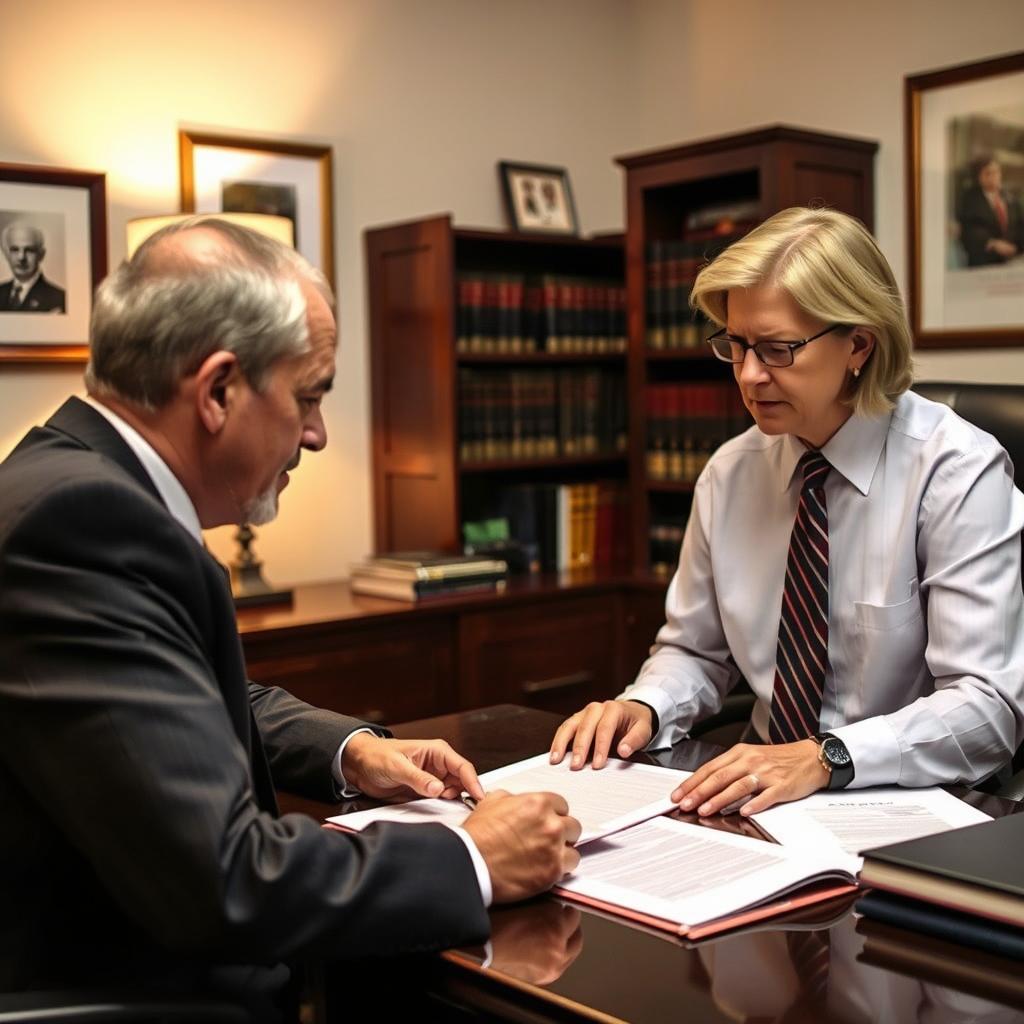
An Estate Litigation Lawyer Calvert County handles disputes over wills, trusts, and estates in Maryland’s probate courts. Law Offices Of SRIS, P.C. —Advocacy Without Borders. These lawyers contest wills, defend executors, and resolve fiduciary conflicts. You need a lawyer who knows Calvert County Circuit Court procedures. SRIS, P.C. provides direct counsel for these complex matters. (Confirmed by SRIS, P.C.)
Statutory Definition of Estate Litigation in Maryland
Estate litigation in Maryland is governed by the Estates and Trusts Article of the Maryland Code. The core statute for will contests is Md. Code, Est. & Trusts § 5-207. This section allows an interested person to file a petition to caveat a will. Grounds include lack of testamentary capacity, undue influence, fraud, or improper execution. The burden of proof initially rests with the caveator, the person challenging the will. If a will is successfully set aside, the estate may pass via a prior valid will or through Maryland’s laws of intestate succession. Other key statutes include Md. Code, Est. & Trusts § 14-107 for fiduciary removal and § 15-1A-01 for trust modification. These laws create the framework for all estate disputes heard in Calvert County.
What constitutes “undue influence” in a Calvert County will contest?
Undue influence in Calvert County requires proof of a susceptible testator and a dominant party’s controlling actions. The influencer must have had the opportunity and disposition to exert pressure. This pressure must subvert the testator’s free will in creating the will. Evidence often involves isolation of the testator or sudden changes to a long-standing estate plan.
How does Maryland law define “testamentary capacity”?
Testamentary capacity in Maryland requires the testator understand they are making a will. They must know the nature and extent of their property. They must also comprehend the natural objects of their bounty, meaning their family. This is a lower standard than general contractual capacity. A diagnosis of dementia does not automatically destroy testamentary capacity under Maryland law.
What is the legal time limit to challenge a will in Calvert County?
The deadline to file a caveat against a will in Calvert County is typically six months. This six-month period runs from the date the will is admitted to probate. The Register of Wills issues formal notice to all interested persons. Missing this statutory deadline usually bars any future challenge to the will’s validity.
The Insider Procedural Edge in Calvert County Circuit Court
Estate litigation cases in Calvert County are filed at the Circuit Court for Calvert County located at 175 Main Street, Prince Frederick, MD 20678. The court’s probate division operates under specific local rules alongside state statutes. Filing a petition to caveat a will initiates a formal lawsuit. The case is then assigned to a judge for scheduling and discovery. Procedural specifics for Calvert County are reviewed during a Consultation by appointment at our Calvert County Location. The filing fee for a civil petition like a caveat is set by the state and court costs can accrue. Knowing the court’s preference for mediation in fiduciary disputes is a tactical advantage. Early case management conferences are standard to set discovery deadlines. Learn more about Virginia legal services.
What is the typical timeline for an estate lawsuit in Calvert County?
An estate lawsuit in Calvert County can take nine months to two years to resolve. The timeline depends on the case’s complexity and court docket scheduling. Simple fiduciary account disputes may settle faster than full will contests. Discovery, including depositions and document production, consumes several months. A trial, if necessary, will be scheduled after discovery closes.
Are there alternative dispute resolution options in Calvert County?
Calvert County Circuit Court often orders mediation for estate and trust disputes. This is especially true for cases involving family conflict or fiduciary accounting. Mediation is a confidential process with a neutral third-party facilitator. A successful mediation can settle the case without a public trial. This option can save significant time and legal costs for all parties.
Penalties & Defense Strategies in Estate Litigation
The most common penalty in estate litigation is the loss of an inheritance or fiduciary appointment. Unlike criminal law, the penalties are primarily financial and proprietary. A successful will contest can invalidate a bequest, redirecting assets to other heirs. A trustee or personal representative found in breach of duty may be removed and surcharged. This means they can be ordered to personally repay the estate for losses. The table below outlines potential outcomes.
| Offense / Finding | Penalty / Outcome | Notes |
|---|---|---|
| Will Found Invalid (Caveat) | Assets distributed per prior will or intestacy laws. | Challenger must prove lack of capacity, fraud, or undue influence. |
| Fiduciary Breach of Duty | Removal from Location; Surcharge for losses; Denial of commissions. | Governed by Md. Code, Est. & Trusts § 14-107. |
| Failure to Timely File Caveat | Petition dismissed; Will stands as probated. | The six-month deadline from probate is strictly enforced. |
| Bad Faith Litigation | Court may award attorney’s fees against the losing party. | This is not automatic and requires a specific finding by the judge. |
[Insider Insight] Calvert County prosecutors in the civil context—meaning the Orphans’ Court and Circuit Court judges—scrutinize family dynamics. They are familiar with patterns where a new caregiver isolates an elderly relative. Defense strategies for executors or beneficiaries hinge on documenting the testator’s independence. Contemporaneous medical records and witness affidavits are critical. Early engagement with an Estate Litigation Lawyer Calvert County can shape the discovery process. Learn more about criminal defense representation.
What are the financial costs of losing an estate lawsuit?
Losing an estate lawsuit can mean forfeiting a claimed inheritance entirely. The losing party may also be responsible for their own substantial attorney’s fees. In some cases, the court can order the loser to pay the winner’s legal costs. This usually requires a finding of bad faith or frivolous litigation. The emotional cost of prolonged family conflict is another significant penalty.
Can an executor or trustee be held personally liable?
Yes, an executor or trustee in Calvert County can be held personally liable for breaches. This is called a surcharge. Liability arises from actions like mismanaging assets, self-dealing, or failing to account. The court can order the fiduciary to repay the estate for any loss incurred. Proper legal guidance from the start of administration is the best defense against personal liability.
Why Hire SRIS, P.C. for Your Calvert County Estate Dispute
SRIS, P.C. assigns attorneys with direct experience in Maryland’s probate and circuit courts. Our team understands the procedural nuances of Calvert County. We approach estate litigation with a focus on achieving your specific objectives. Whether defending a will or challenging a fiduciary’s actions, we prepare for trial. Our goal is to resolve your matter efficiently, but we are always ready to argue in court.
Attorney Profile: Our lead counsel for fiduciary matters has handled numerous estate accountings and contested proceedings. This attorney’s background in civil litigation provides a strategic edge in discovery and motion practice. They are familiar with the judges and local rules in Calvert County Circuit Court. This local knowledge informs every case strategy we develop. Learn more about DUI defense services.
SRIS, P.C. has secured favorable outcomes for clients in contested estate matters. We review all documents, from the will and trust agreements to fiduciary accountings. We identify weaknesses in an opponent’s position and strengths in yours. Our approach is direct and client-focused. We explain the process, the risks, and the potential costs clearly. You will know what to expect at each stage of your case.
Localized FAQs for Estate Litigation in Calvert County
Who can contest a will in Calvert County?
Any “interested person” under Maryland law can contest a will in Calvert County. This includes heirs-at-law, beneficiaries named in a prior will, and named beneficiaries whose share is reduced. A mere disappointed expectation is not enough. You must have a direct financial interest affected by the will’s validity.
How much does an estate litigation lawyer cost in Calvert County?
Estate litigation lawyers in Calvert County typically work on an hourly fee structure. Contingency fees are rare in will contests but may be used in certain fiduciary breach cases. Costs include court filing fees, experienced witnesses, and discovery expenses. SRIS, P.C. discusses fee arrangements during a Consultation by appointment.
What is the difference between the Register of Wills and the Circuit Court?
The Register of Wills in Calvert County oversees the administrative probate process. This includes appointing personal representatives and accepting wills for filing. The Circuit Court handles all contested litigation, like will caveats and fiduciary removals. A dispute starts in the Register’s Location but moves to the Circuit Court if challenged. Learn more about our experienced legal team.
Can I remove a personal representative in Calvert County?
Yes, you can petition the Circuit Court to remove a personal representative in Calvert County. Grounds include waste of estate assets, misconduct, or failure to perform duties. The process requires filing a formal petition and providing evidence of the breach. The court will schedule a hearing to decide the matter.
How long does the probate process take without litigation?
The probate process in Calvert County without litigation typically takes 9 to 12 months. This allows for creditor notice periods, asset marshaling, and tax clearances. Estates with complex assets or family disputes take longer. An uncontested estate can often be closed within a year.
Proximity, CTA & Disclaimer
Our Calvert County Location serves clients throughout the county, including Prince Frederick, Solomons, and Chesapeake Beach. We are accessible for meetings to discuss your estate litigation concerns. Consultation by appointment. Call 24/7. Our team is ready to review the specifics of your case.
Law Offices Of SRIS, P.C.—Advocacy Without Borders.
For a case review with an Estate Litigation Lawyer Calvert County, contact us. We provide direct legal counsel for will contests, trust disputes, and fiduciary litigation. Call today to schedule a Consultation by appointment.
Past results do not predict future outcomes.