
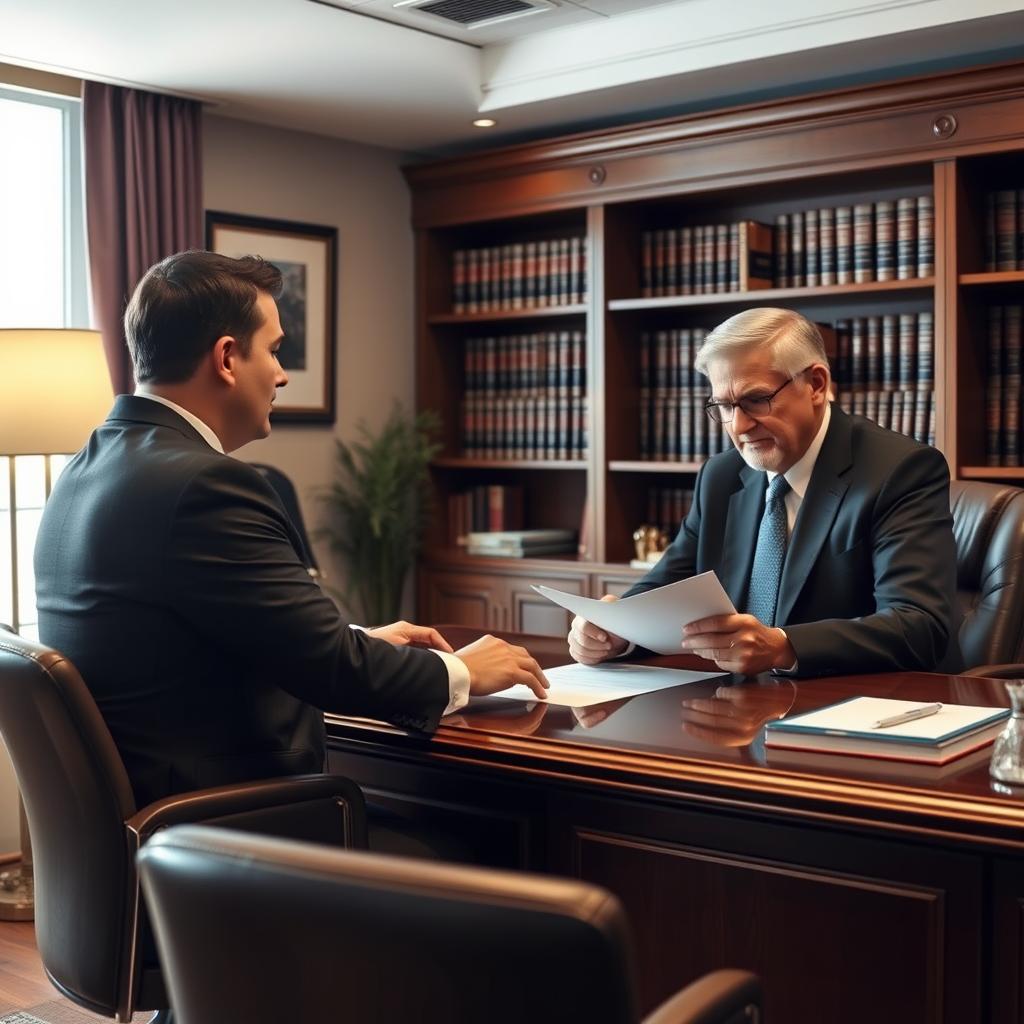
Estate Planning Lawyer Albany County
An Estate Planning Lawyer Albany County drafts legal documents to control asset distribution after death. Law Offices Of SRIS, P.C.—Advocacy Without Borders. provides this service in Albany County. We prepare wills, trusts, powers of attorney, and healthcare directives. Our legal team addresses probate avoidance and tax implications. Proper planning protects your family’s future. (Confirmed by SRIS, P.C.)
Statutory Definition of Estate Planning in New York
Estate planning in Albany County operates under New York State statutes, not a single criminal code. The New York Estates, Powers and Trusts Law (EPTL) and Surrogate’s Court Procedure Act (SCPA) govern the process. These laws define how assets are transferred upon death. They establish rules for wills, trusts, and intestate succession. An Estate Planning Lawyer Albany County uses these statutes to create valid plans. The goal is to avoid costly and public probate proceedings. Understanding these laws is critical for effective asset protection.
EPTL § 3-1.1 — Testamentary Capacity — Essential for a Valid Will. This statute sets the legal requirements for making a will in New York. The testator must be at least 18 years old. They must be of sound mind and memory. This means understanding the nature of the act. It also requires knowing the extent of one’s property. The testator must know the natural objects of their bounty. A will drafted without meeting these standards can be challenged. Such a challenge occurs in Albany County Surrogate’s Court.
Other key statutes include EPTL Article 7 for trusts and SCPA Article 14 for probate. These laws form the framework for all estate plans in the county. A will and trust drafting lawyer Albany County must master these codes. They ensure documents comply with New York’s formal execution requirements. Non-compliance leads to documents being declared invalid. This results in the state’s intestacy laws controlling asset distribution.
What are the core documents in an estate plan?
A thorough estate plan includes four primary legal instruments. The last will and testament directs asset distribution and names guardians. A revocable living trust manages assets during life and after death. Durable powers of attorney for finances appoint a decision-maker. A healthcare proxy and living will address medical decisions. An Estate Planning Lawyer Albany County drafts all these documents. Each serves a distinct and vital legal purpose.
How does New York law define intestate succession?
Intestate succession is governed by EPTL Article 4. It applies when a person dies without a valid will. The statute provides a default order of inheritance. A surviving spouse typically receives the first $50,000 plus half the residue. Children inherit the remaining balance. More distant relatives inherit if there is no immediate family. The state ultimately takes property with no heirs. This process is public and administrated by the Surrogate’s Court. A thorough estate plan lawyer Albany County works to avoid this outcome.
What are the formal requirements for a New York will?
EPTL § 3-2.1 outlines the execution formalities for a will. The will must be in writing and signed by the testator. The signature must be at the end of the document. Two witnesses must also sign the will. These witnesses must observe the testator signing. They must understand the testator is executing a will. The witnesses should not be beneficiaries of the will. A holographic (handwritten) will is not valid in New York. An attorney ensures all formalities are strictly followed. Learn more about Virginia legal services.
The Insider Procedural Edge in Albany County
The Albany County Surrogate’s Court handles all probate and estate matters. This court is located at 20 Lodge Street, Albany, NY 12207. All wills are filed here for probate upon death. Trust administration may also involve this court. The judges and clerks here follow New York procedural rules strictly. Knowing the local filing preferences is a distinct advantage. Procedural specifics for Albany County are reviewed during a Consultation by appointment at our Albany County Location.
The court operates with specific timelines and filing fees. A petition for probate must be filed to begin the process. Notice must be given to all interested parties. This includes heirs, beneficiaries, and creditors. The court then reviews the will’s validity. If no objections are filed, letters testamentary are issued. These letters grant the executor legal authority to act. The entire process can take several months to complete. Having an attorney familiar with the local clerks expedites matters.
What is the typical timeline for probate in Albany County?
Informal probate can take four to eight months if uncontested. A formal probate proceeding with objections takes over a year. The timeline starts when the executor files the death certificate. The court’s calendar and caseload impact the speed. Gathering assets and paying debts adds to the duration. Final distribution cannot occur until the court closes the estate. A well-drafted trust can avoid this timeline entirely.
What are the common filing fees in Surrogate’s Court?
Filing fees are based on the size of the estate. New York uses a sliding scale for probate petitions. Estates valued under $10,000 incur a nominal fee. Larger estates have fees calculated as a percentage of value. There are also fees for issuing letters testamentary. Additional costs include citation fees and surety bonds. The exact fee schedule is set by state law. Your attorney will calculate these costs during planning.
Penalties & Defense Strategies for Poor Planning
The most common penalty for poor estate planning is costly probate and family conflict. Without a plan, New York’s intestacy laws control your assets. This can disinherit partners or cause unequal distributions among children. The state may appoint guardians for minor children against your wishes. Assets may be liquidated to pay unexpected taxes. Family disputes often lead to expensive litigation in Surrogate’s Court. A will and trust drafting lawyer Albany County prevents these outcomes. Learn more about criminal defense representation.
| Consequence of No Plan | Practical Penalty | Notes |
|---|---|---|
| Intestate Succession | Assets distributed by state formula, not your wishes. | Spouses may not receive the entire estate. |
| Probate Costs | Court fees, executor commissions, legal fees (3-7% of estate value). | These costs are publicly recorded and reduce inheritance. |
| Estate Tax Liability | New York estate tax for estates over $6.58 million (2023). | Proper planning can minimize or eliminate this tax. |
| Guardianship Disputes | Court battle over who raises minor children. | The court decides based on petitions, not your preference. |
| Will Contests | Lengthy litigation challenging will validity, costing thousands. | Proper execution and clarity deter most challenges. |
[Insider Insight] Albany County Surrogate’s Court sees frequent will contests among siblings. Local prosecutors are not involved in these civil matters. The court scrutinizes wills for proper execution and testamentary capacity. Judges here are particularly attentive to claims of undue influence. They often order hearings on such matters. Having an attorney draft and witness your will is the strongest defense. It creates a clear record of your intent and sound mind.
How can a trust avoid probate penalties?
A properly funded revocable living trust bypasses probate entirely. Assets titled in the name of the trust avoid Surrogate’s Court. Distribution occurs privately according to the trust terms. This saves time, court fees, and public disclosure. It also provides continuity if you become incapacitated. A successor trustee manages assets without court intervention. This is a primary tool for a thorough estate plan lawyer Albany County.
What are the tax implications for Albany County estates?
New York has its own estate tax with a $6.58 million exemption. Estates exceeding this pay a progressive tax up to 16%. The federal exemption is much higher, at over $12 million. Proper planning uses marital deductions and trusts to shield assets. Gifting strategies during life can also reduce the taxable estate. Failing to plan can result in a significant, avoidable tax bill.
Why Hire SRIS, P.C. for Estate Planning in Albany County
Our lead attorney for estate matters in New York has over 15 years of drafting experience. We approach estate planning with the precision of trial-tested litigators. We anticipate how documents will be challenged in court. This perspective allows us to build stronger, more defensible plans. SRIS, P.C. focuses on creating clear, legally sound instruments. Our goal is to provide peace of mind through thorough preparation.
Attorney Profile: Our senior estate planning attorney is admitted to the New York State Bar. They have drafted hundreds of wills and trusts for Albany County residents. Their practice focuses on asset protection and probate avoidance. They are familiar with the local procedures of the Albany County Surrogate’s Court. This local knowledge is critical for efficient administration. Learn more about DUI defense services.
Our firm differentiator is our “Advocacy Without Borders” approach. We coordinate planning for clients with assets in multiple states. We understand the interaction between New York law and other jurisdictions. Our team ensures all documents work together smoothly. We prepare for the unexpected to protect your family’s future. You need a plan that holds up under pressure.
Localized Albany County Estate Planning FAQs
What does an estate planning lawyer in Albany County do?
An Estate Planning Lawyer Albany County drafts wills, trusts, powers of attorney, and healthcare directives. They advise on tax implications and probate avoidance. They ensure your assets pass to your chosen beneficiaries efficiently.
How much does a will cost in Albany County, NY?
Costs vary based on complexity. A simple will may start at a few hundred dollars. A thorough plan with trusts is a larger investment. The cost of no plan is often far greater.
What is the difference between a will and a trust in New York?
A will takes effect only after death and must go through probate. A trust is effective immediately and avoids probate. A trust also provides for management during incapacity.
Do I need a lawyer to create a will in New York?
New York law allows self-drafted wills. However, the formal witnessing requirements are strict. An attorney ensures validity and addresses complex issues like taxes and guardianship. Learn more about our experienced legal team.
What happens if I die without a will in Albany County?
You die “intestate.” New York’s EPTL laws determine who gets your assets. The Surrogate’s Court appoints an administrator. This process is public, slow, and may not reflect your wishes.
Proximity, CTA & Disclaimer
Our Albany County Location serves clients throughout the region. We are accessible from Albany, Colonie, Guilderland, and Bethlehem. Procedural specifics for Albany County are reviewed during a Consultation by appointment. Call our team 24/7 to discuss your estate planning needs. We provide clear guidance on wills, trusts, and asset protection strategies.
Law Offices Of SRIS, P.C.—Advocacy Without Borders.
Consultation by appointment. Call 24/7.
Past results do not predict future outcomes.