
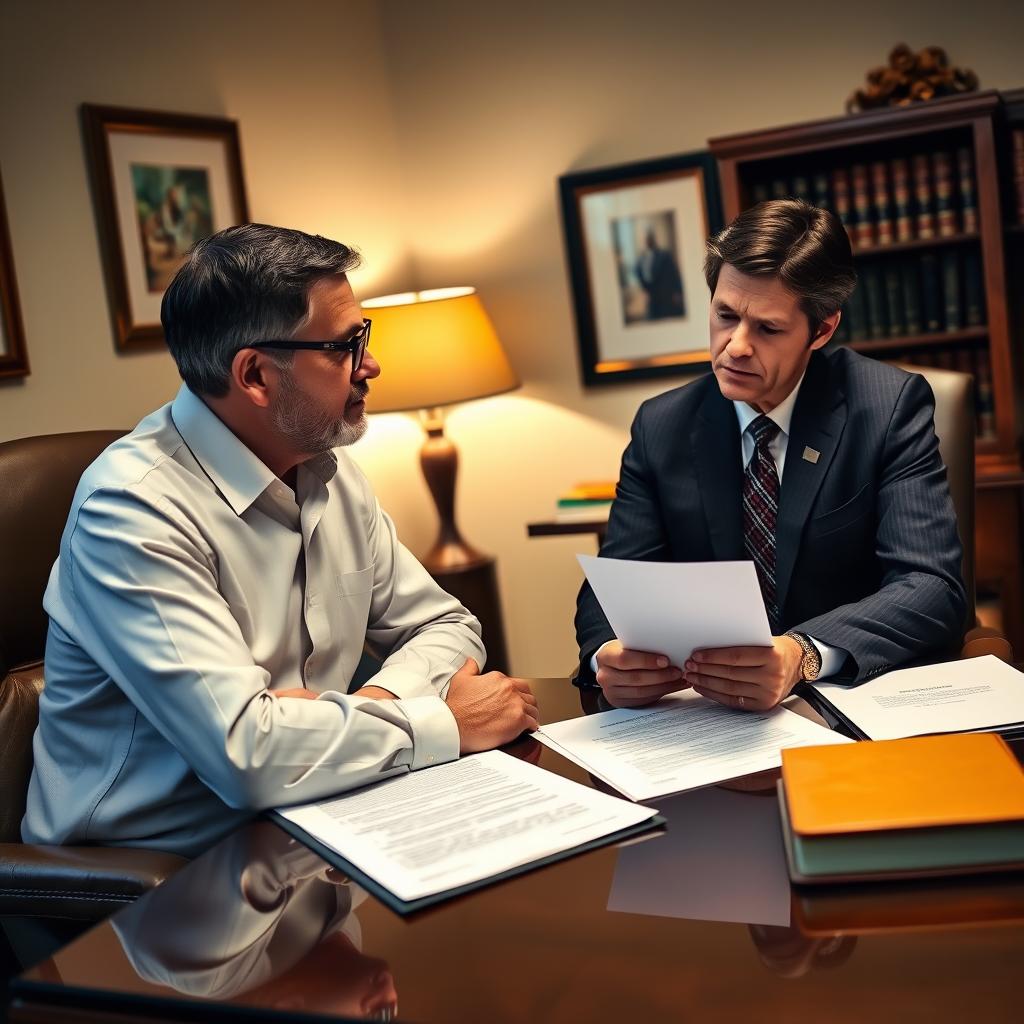
Estate Planning Lawyer Dutchess County
An Estate Planning Lawyer Dutchess County handles the legal process of preparing for the management and distribution of your assets. This includes drafting wills, trusts, powers of attorney, and healthcare directives under New York law. Proper planning protects your family and ensures your wishes are followed. Law Offices Of SRIS, P.C.—Advocacy Without Borders. provides focused counsel for Dutchess County residents. (Confirmed by SRIS, P.C.)
Statutory Definition of Estate Planning in New York
Estate planning in Dutchess County operates under the New York Estates, Powers and Trusts Law (EPTL) and the Surrogate’s Court Procedure Act (SCPA). These statutes govern wills, trusts, intestacy, and probate administration. The primary goal is to legally direct asset distribution and appoint fiduciaries. An Estate Planning Lawyer Dutchess County uses these laws to create enforceable documents. Failure to comply can lead to costly probate litigation and unintended outcomes.
EPTL § 3-1.1 — Testamentary Capacity — Essential for a Valid Will. This statute defines who can make a will in New York. The testator must be at least 18 years old and of sound mind and memory. Sound mind means understanding the nature of the act, the property being disposed of, and the natural objects of one’s bounty. A Dutchess County Surrogate’s Court will scrutinize this if a will is contested.
New York law provides the framework for all estate planning instruments. Key statutes include rules for executing wills, creating trusts, and designating agents. A Dutchess County attorney must ensure every document meets strict formalities. For example, a will must be signed by the testator and witnessed by two people. Holographic wills are not recognized in New York.
What are the core documents in a New York estate plan?
The core documents are a last will and testament, a revocable living trust, durable powers of attorney, and a healthcare proxy. A will names an executor and directs asset distribution. A trust manages assets during life and avoids probate. Powers of attorney appoint someone to handle financial matters if you become incapacitated. A healthcare proxy appoints a medical decision-maker.
How does New York’s probate process work?
Probate in Dutchess County is administered through the Surrogate’s Court. The process involves filing the will, appointing an executor, and overseeing asset distribution. The court validates the will and grants authority to the executor. Creditors must be notified, and taxes must be paid. An experienced lawyer can handle this court to ensure a timely and efficient administration. Learn more about Virginia legal services.
What is the difference between probate and non-probate assets?
Probate assets are those solely in your name that pass via your will. Non-probate assets bypass the will and go directly to named beneficiaries. Jointly owned property, retirement accounts, and life insurance policies are common non-probate assets. Proper planning coordinates both types to avoid conflict and tax issues. A Dutchess County estate planning attorney reviews all asset titles.
The Insider Procedural Edge in Dutchess County
The Dutchess County Surrogate’s Court is located at 10 Market Street, Poughkeepsie, NY 12601. This court handles all probate, estate administration, and guardianship matters for the county. Knowing the local procedures and personnel is critical for efficient case handling. Filing fees and required forms are specific to this court. An attorney familiar with this venue can prevent procedural delays.
Procedural specifics for Dutchess County are reviewed during a Consultation by appointment at our Dutchess County Location. The Surrogate’s Court has specific rules for filing petitions and accounting. Timelines for probate can vary based on estate complexity and potential contests. Local practice involves detailed inventory filings and regular communication with court clerks. Missing a deadline can result in significant setbacks for beneficiaries.
What is the typical timeline for probate in Dutchess County?
A simple, uncontested probate in Dutchess County can take several months to complete. The process begins with filing the petition and issuing citations to interested parties. The court then schedules a hearing to admit the will and appoint the executor. After letters testamentary are issued, the executor must complete asset collection and creditor notification. Final distribution often occurs within nine to twelve months. Learn more about criminal defense representation.
What are the common filing fees for estate matters?
Filing fees in Dutchess County Surrogate’s Court are based on the size of the estate. A petition for probate typically requires a fee calculated on the estate’s value. There are also fees for issuing citations, filing accountings, and obtaining certified letters. These costs are paid from the estate assets. Your attorney will provide a precise estimate based on your specific situation.
Penalties & Defense Strategies for Poor Planning
The most common penalty for poor estate planning is the loss of control over asset distribution through intestacy. If you die without a valid will in New York, your assets are distributed according to EPTL § 4-1.1. This statute dictates a rigid order of succession to your spouse, children, and other relatives. This result may contradict your personal wishes entirely. It can also lead to family disputes and unnecessary taxation.
| Issue | Consequence | Notes |
|---|---|---|
| Intestacy (No Will) | Assets distributed by NY law, not your wishes. | Spouse and children split estate; potential for conflict. |
| Invalid Will Execution | Will is contested and potentially voided. | Strict witnessing requirements under EPTL § 3-2.1. |
| No Healthcare Proxy | Family may need court order for medical decisions. | Leads to guardianship proceeding under SCPA Article 17. |
| Unfunded Trust | Trust fails, assets go through probate. | Defeats the purpose of avoiding court supervision. |
| Estate Tax Liability | New York estate tax may reduce inheritance. | Proper planning can use exemptions and deductions. |
[Insider Insight] The Dutchess County Surrogate’s Court sees frequent will contests based on undue influence or lack of capacity. Local judges pay close attention to the formalities of will execution. They also scrutinize situations where a primary caregiver is named as a major beneficiary. Having an attorney draft and oversee the signing creates a strong defense against these challenges. Pre-planning is the best strategy.
How can a trust help avoid probate in Dutchess County?
A properly funded revocable living trust avoids the probate process entirely in Dutchess County. Assets titled in the name of the trust are not part of the probate estate. This allows for private, faster distribution to beneficiaries after death. It also provides management during any period of incapacity. This is a key strategy for clients with out-of-state property or who desire privacy. Learn more about DUI defense services.
What are the implications of New York’s estate tax?
New York has its own estate tax with an exemption amount that changes annually. Estates exceeding the exemption face a graduated tax rate. The “cliff” tax means going $1 over the exemption can trigger tax on the entire estate. Careful planning with a Dutchess County lawyer can use marital deductions and trusts to minimize this liability. Annual review of your plan is essential.
Why Hire SRIS, P.C. for Your Dutchess County Estate Plan
Our lead attorney for estate planning matters brings decades of direct experience with New York fiduciary law. We understand the specific demands of the Dutchess County Surrogate’s Court and local filing procedures. Our approach is to create clear, legally sound documents that withstand scrutiny. We focus on your objectives for asset protection and family security.
Attorney Profile: Our seasoned estate planning attorneys have extensive backgrounds in drafting complex wills and trusts. They are versed in New York’s EPTL and SCPA. They guide clients through probate administration and represent beneficiaries in Surrogate’s Court proceedings. Their knowledge provides a strategic advantage in achieving client goals efficiently.
SRIS, P.C. provides dedicated estate planning services for Dutchess County residents. We take the time to understand your family dynamics and financial picture. Our documents are customized, not generic templates. We ensure your plan coordinates beneficiary designations and property titles. We offer ongoing review to adapt to life changes and law updates. Learn more about our experienced legal team.
Localized Estate Planning FAQs for Dutchess County
Do I need a will if I have a small estate in Dutchess County?
Yes. A will controls who receives your assets and who administers your estate. Without one, New York intestacy laws decide, which may not match your wishes. A will also names a guardian for minor children. Even a small estate benefits from the clarity and direction a will provides.
What is the role of the Dutchess County Surrogate’s Court?
The Dutchess County Surrogate’s Court oversees the probate of wills and the administration of estates. It appoints executors and trustees, hears will contests, and approves accountings. All legal proceedings related to validating a will and distributing assets occur in this court. It is located in Poughkeepsie.
How often should I update my estate plan?
Review your estate plan every three to five years or after any major life event. This includes marriage, divorce, birth of a child, significant asset change, or a move to a new state. Changes in New York tax law also necessitate a review. Regular updates ensure your plan remains effective.
What is a durable power of attorney and why is it important?
A durable power of attorney grants someone legal authority to manage your financial affairs if you become incapacitated. Without it, your family may need to petition the court for a guardianship, which is public, costly, and time-consuming. It is a fundamental part of a complete incapacity plan.
Can I create a trust to manage my assets during my lifetime?
Yes. A revocable living trust allows you to manage and control your assets while you are alive and well. You can serve as your own trustee. It provides for smooth management if you become incapacitated and directs distribution after death, avoiding probate in Dutchess County.
Proximity, CTA & Disclaimer
Our legal team serves clients throughout Dutchess County, including Poughkeepsie, Fishkill, Beacon, and Rhinebeck. We are accessible for meetings to discuss your estate planning needs. Consultation by appointment. Call 24/7. We provide focused legal counsel for wills, trusts, and probate matters specific to New York law and Dutchess County procedures.
Law Offices Of SRIS, P.C. —Advocacy Without Borders.
Consultation by appointment. Call [phone]. 24/7.
Past results do not predict future outcomes.