
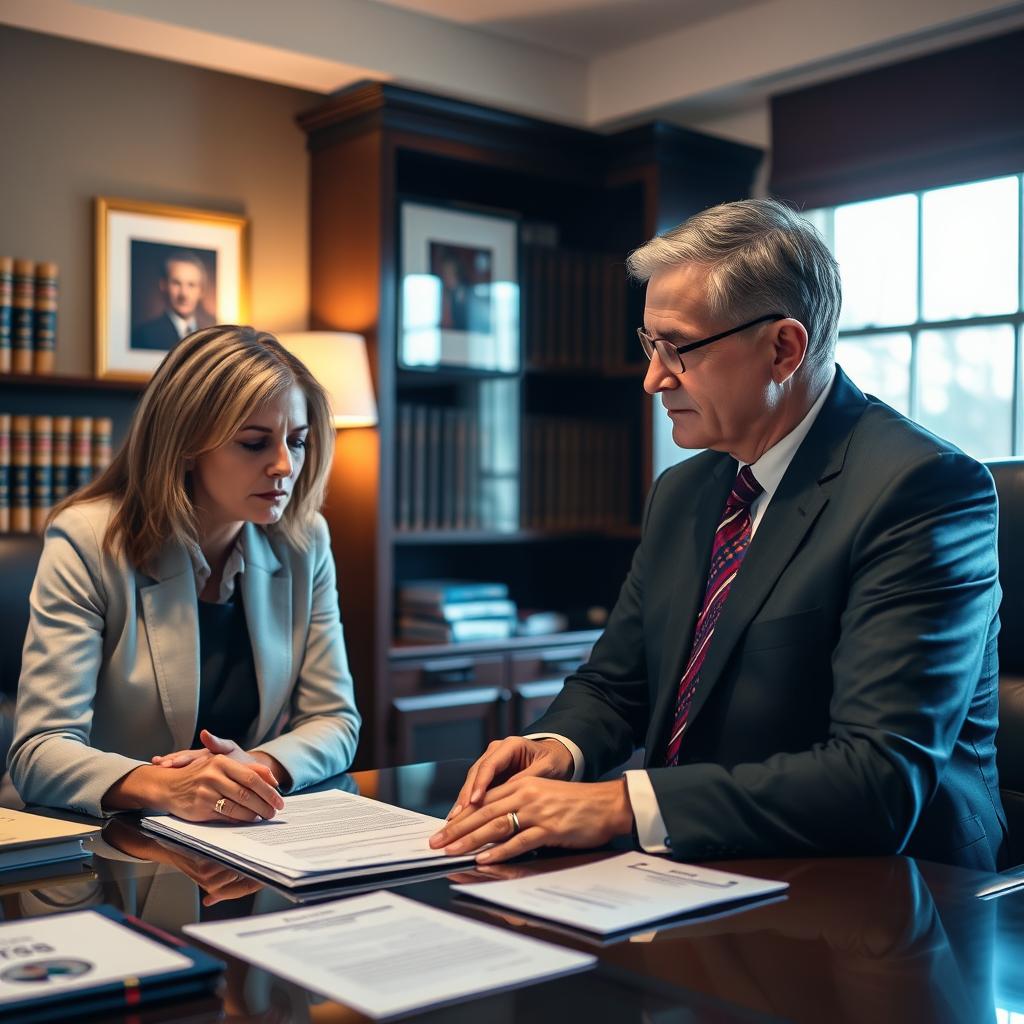
Estate Planning Lawyer Oneida County
An Estate Planning Lawyer Oneida County manages the legal transfer of your assets according to New York law. This process involves drafting wills, trusts, powers of attorney, and healthcare directives. The Law Offices Of SRIS, P.C. —Advocacy Without Borders. provides focused counsel for residents of Oneida County. Proper planning protects your family and avoids probate disputes. (Confirmed by SRIS, P.C.)
Statutory Definition of Estate Planning in New York
Estate planning in New York is governed by the Estates, Powers and Trusts Law (EPTL) and the Surrogate’s Court Procedure Act (SCPA), which classify instruments like wills and trusts and define the probate process. The New York Consolidated Laws provide the framework for transferring assets, appointing fiduciaries, and managing estates. A failure to adhere to these statutes can result in costly court proceedings and family disputes over your property.
These laws dictate the formal requirements for a valid will in Oneida County. They also establish the rules for creating and administering trusts. Understanding these statutes is critical for any thorough estate plan. An Estate Planning Lawyer Oneida County uses this knowledge to draft enforceable documents.
What legal documents form the core of an estate plan?
A Last Will and Testament, Revocable Living Trust, Durable Power of Attorney, and Healthcare Proxy form the core legal documents. The will directs asset distribution after death. A trust can manage assets during life and avoid probate. Powers of attorney appoint someone to handle financial and medical decisions if you become incapacitated.
How does New York law define a valid will?
New York EPTL § 3-2.1 defines a valid will as a written document signed by the testator and witnessed by two people. The witnesses must sign in the testator’s presence and in each other’s presence. Holographic wills are not recognized in New York. A will that does not meet these formalities may be declared invalid by the Oneida County Surrogate’s Court.
What is the role of the Surrogate’s Court in estate administration?
The Oneida County Surrogate’s Court oversees the probate of wills and the administration of estates. This court validates the will, appoints the executor, and supervises the asset distribution process. If there is no will, the court appoints an administrator. The court also handles disputes among beneficiaries or challenges to the will’s validity.
The Insider Procedural Edge in Oneida County
The Oneida County Surrogate’s Court is located at 200 Elizabeth St, Utica, NY 13501. This court handles all probate and estate administration matters for the county. Knowing the local filing procedures and judicial preferences is essential for efficient estate settlement. Procedural specifics for Oneida County are reviewed during a Consultation by appointment at our Oneida County Location. Learn more about Virginia legal services.
Filing a will for probate initiates the legal process. The executor named in the will must petition the court. The court requires specific forms and documentation. Timelines can vary based on the estate’s complexity and if any objections arise. An experienced attorney understands how to handle this system effectively.
The legal process in Oneida County follows specific procedural requirements that affect case timelines and outcomes. Courts in this jurisdiction apply local rules that may differ from neighboring areas. An attorney familiar with Oneida County court procedures can identify procedural advantages relevant to your situation.
What is the typical timeline for probate in Oneida County?
Uncontested probate in Oneida County can take several months to over a year to complete. The timeline depends on court schedules, asset complexity, and creditor claims. Simple estates with no disputes move faster. Contested estates or those with complex assets can take significantly longer. An attorney can help manage expectations and expedite the process.
What are the common filing fees for estate proceedings?
Filing fees in Surrogate’s Court are based on the estate’s value. New York uses a sliding scale for these fees. For example, estates valued under $10,000 have a nominal fee. Estates valued over $500,000 incur higher filing costs. Exact current fees are obtained from the court clerk or during a legal consultation.
Penalties & Defense Strategies for Poor Planning
The most common penalty for poor estate planning is your assets passing by New York’s intestacy laws instead of your wishes. Without a valid will, state law dictates who inherits your property. This can disinherit partners, friends, or charities you intended to benefit. It also forces your family into a public and often lengthy court process. Learn more about criminal defense representation.
Virginia law establishes specific statutory frameworks that govern these matters. Each case involves unique factual circumstances that require careful legal analysis. SRIS, P.C. attorneys evaluate every relevant factor when developing case strategy for clients in Oneida County.
| Issue | Consequence | Notes |
|---|---|---|
| Dying Without a Will (Intestacy) | Assets distributed by NY EPTL § 4-1.1 | Spouse and children receive set shares; unmarried partners get nothing. |
| Invalid Will or Trust | Probate litigation, will contest | Heirs can challenge documents, causing family conflict and legal costs. |
| No Power of Attorney | Guardianship proceeding (Article 81) | Court appoints a guardian if you become incapacitated; costly and invasive. |
| Unfunded Trust | Trust fails, assets go through probate | The trust document exists but holds no assets, defeating its purpose. |
| Estate Tax Liability | New York estate tax due | Proper planning can minimize or eliminate state tax exposure for heirs. |
[Insider Insight] The Oneida County Surrogate’s Court expects precise documentation. Petitions with errors or missing information cause delays. Local judges appreciate clear, well-organized filings from attorneys who know the rules. An attorney familiar with the court’s preferences can prevent unnecessary adjournments.
How can a trust help avoid probate in Oneida County?
A properly funded revocable living trust avoids the probate process entirely for assets held in the trust. Probate is a public court proceeding. A trust keeps asset distribution private. It also typically allows for faster distribution to beneficiaries. This is a key strategy for a thorough estate plan lawyer Oneida County.
What are the risks of using generic online forms?
Generic online forms often fail to address New York-specific laws and Oneida County procedures. They may lack necessary clauses or be executed incorrectly. This can render the document unenforceable. The cost to fix a flawed document far exceeds the price of proper legal drafting initially.
Court procedures in Oneida County require proper documentation and adherence to filing deadlines. Missing a deadline or submitting incomplete filings can negatively impact case outcomes. Working with an attorney who handles cases in Oneida County courts regularly ensures that procedural requirements are met correctly and on time. Learn more about DUI defense services.
Why Hire SRIS, P.C. for Your Estate Plan
Our lead attorney for estate matters has over a decade of experience drafting wills and trusts under New York law. This attorney focuses on creating legally sound documents that reflect client intentions. We understand the formalities required by the EPTL and SCPA. We apply this knowledge to protect your assets and your family’s future.
Attorney Profile: Our estate planning team includes attorneys well-versed in New York law. They structure plans to manage asset distribution, minimize tax exposure, and appoint fiduciaries. They prepare for contingencies like incapacity. Their goal is to provide clear, enforceable directives for our clients in Oneida County.
The timeline for resolving legal matters in Oneida County depends on multiple factors including case type, court scheduling, and the positions of all parties involved. SRIS, P.C. keeps clients informed throughout the process and works to move cases forward as efficiently as possible.
SRIS, P.C. takes a direct approach to estate planning. We identify your assets, your beneficiaries, and your concerns. We then draft documents that address those points under the law. We explain the process and the purpose of each document. Our Oneida County Location is ready to assist with your will and trust drafting needs.
Localized FAQs for Oneida County Residents
What is the difference between a will and a trust in New York?
A will takes effect only after death and must go through probate court. A trust is effective once funded and can manage assets during your life and after death, often avoiding probate. Both are tools for a will and trust drafting lawyer Oneida County to use in a plan. Learn more about our experienced legal team.
Who should act as the executor of my will in Oneida County?
Choose someone trustworthy, organized, and local to Oneida County if possible. The executor files paperwork with the Surrogate’s Court, manages assets, and pays debts. Consider naming a backup executor in case your first choice cannot serve.
Does New York have an estate or inheritance tax?
New York has an estate tax that applies to estates exceeding a specific exemption amount. There is no inheritance tax levied on beneficiaries. Proper planning can help mitigate potential New York estate tax liability for your heirs.
Financial implications are often a significant concern in legal proceedings. Virginia courts consider relevant financial factors when making determinations. Proper preparation of financial documentation strengthens your position and supports favorable outcomes in Oneida County courts.
What happens if I become incapacitated without a plan?
Your family must petition the court for a guardianship under Article 81 of the Mental Hygiene Law. This is a public, costly, and time-consuming legal process. A durable power of attorney and healthcare proxy prevent this.
How often should I update my estate plan?
Review your plan every three to five years or after major life events. These events include marriage, divorce, birth of a child, significant asset change, or a move to a new state. Laws also change periodically.
Proximity, CTA & Disclaimer
Our team serves clients throughout Oneida County, New York. For residents in Utica, Rome, and surrounding communities, we provide focused estate planning counsel. Consultation by appointment. Call 24/7. Our legal team is prepared to discuss your specific situation and objectives.
Contact SRIS, P.C. for a Consultation by appointment regarding your estate plan. We address the legal needs of Oneida County residents directly and effectively. Call us to schedule a case review.
Law Offices Of SRIS, P.C.
Phone: [PHONE NUMBER FROM FIRM INFO]
Advocacy Without Borders.
Past results do not predict future outcomes.