
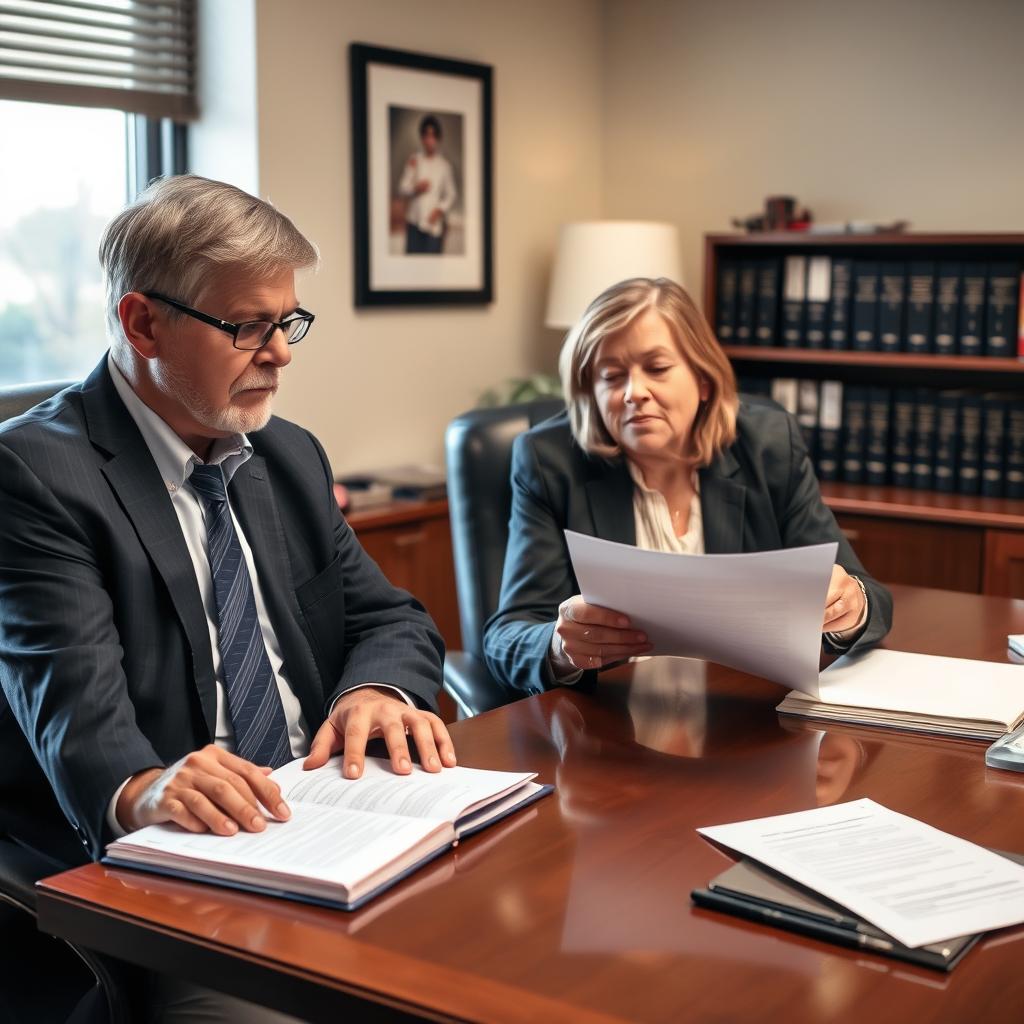
Estate Planning Lawyer Rensselaer County
An Estate Planning Lawyer Rensselaer County creates legal documents to manage your assets and healthcare wishes. This work is governed by New York state statutes like the Estates, Powers and Trusts Law. Law Offices Of SRIS, P.C. —Advocacy Without Borders. can assist with wills, trusts, and powers of attorney. Proper planning avoids probate disputes and ensures your directives are followed. (Confirmed by SRIS, P.C.)
Statutory Definition of Estate Planning in New York
Estate planning in New York is defined by the Estates, Powers and Trusts Law (EPTL) — a statutory framework — which governs the transfer of property. The primary goal is to direct asset distribution according to your wishes. This legal process uses instruments like wills and trusts. These documents must comply with specific New York formalities to be valid. Failure to adhere to these statutes can result in costly probate litigation. An Estate Planning Lawyer Rensselaer County ensures all documents meet EPTL requirements.
New York law provides several tools for managing your estate. The EPTL outlines the requirements for a valid will. It also establishes the rules for creating and administering trusts. Powers of attorney for finances and healthcare are governed by separate statutes. These include the General Obligations Law and the Public Health Law. Understanding these intersecting laws is critical for a solid plan. A Rensselaer County estate planning attorney integrates these statutes into your documents.
What legal documents are part of a basic estate plan?
A basic estate plan includes a will, financial power of attorney, and healthcare directives. A will names beneficiaries for your assets and a guardian for minor children. A durable power of attorney for finances appoints someone to manage your money. A healthcare proxy and living will outline your medical wishes. These documents work together to protect you and your family. A thorough estate plan lawyer Rensselaer County drafts all these instruments.
What is the difference between a will and a trust in New York?
A will takes effect only after death and must go through probate court. A trust can manage assets during your lifetime and after death. Trusts often avoid the public and sometimes lengthy probate process. New York law allows for various trust types, like revocable living trusts. Choosing between a will and a trust depends on your asset structure and goals. A will and trust drafting lawyer Rensselaer County can explain the best option for you.
Who can challenge an estate plan in Rensselaer County?
Heirs-at-law or beneficiaries named in a prior will can file a challenge. Grounds include lack of testamentary capacity, undue influence, or improper execution. New York Surrogate’s Court in Rensselaer County hears these contests. These proceedings can delay asset distribution for months or years. Proper drafting by an experienced attorney is the best defense against such challenges. SRIS, P.C. focuses on creating legally sound documents to minimize risk.
The Insider Procedural Edge in Rensselaer County
Estate planning matters are filed at the Rensselaer County Surrogate’s Court located at 80 Second Street, Troy, NY 12180. This court handles the probate of wills and the administration of estates. The clerks and judges in this courthouse are familiar with local family dynamics and asset types. Filing fees vary based on the type of proceeding and the estate’s value. Procedural specifics for Rensselaer County are reviewed during a Consultation by appointment. Learn more about Virginia legal services.
The Surrogate’s Court process begins with filing a petition. This is required whether you are probating a will or administering an estate without one. The court requires notice to all interested parties, including heirs and creditors. For smaller estates, New York offers simplified procedures to expedite matters. Understanding these local court rules can significantly affect the timeline and cost. An attorney from our Rensselaer County Location can guide you through each step.
How long does the probate process take in Rensselaer County?
An uncontested probate case typically takes six to nine months to complete. The timeline starts when the executor files the petition with the Surrogate’s Court. Court calendars and the complexity of the estate asset inventory affect the duration. If the will is contested, the process can extend for years. Having a properly drafted will reduces the chance of delays. A Rensselaer County estate planning lawyer ensures your documents are clear to avoid contests.
What are the common filing fees for estate matters?
Filing fees in Rensselaer County Surrogate’s Court are based on estate value. Probating a will for an estate valued under $10,000 has a lower fee. Estates valued over $500,000 incur significantly higher filing costs. There are separate fees for filing a petition for letters of administration. The court may also charge for certified copies and other miscellaneous services. Our team provides a clear fee estimate during your initial consultation.
Penalties & Defense Strategies for Poor Planning
The most common penalty for poor estate planning is the loss of control over asset distribution. Without a valid will, New York’s intestacy laws dictate who inherits your property. This may exclude partners, friends, or charities you intended to benefit. Your family could face unnecessary taxes, court costs, and legal fees. Disputes among heirs can lead to prolonged and expensive litigation in Surrogate’s Court. Hiring a thorough estate plan lawyer Rensselaer County is the primary defense against these outcomes.
| Offense / Risk | Penalty / Consequence | Notes |
|---|---|---|
| Dying Intestate (No Will) | Assets distributed by NY EPTL formula, not your wishes. | Spouse and children receive statutory shares; unmarried partners get nothing. |
| Invalid Will Execution | Will is void; estate treated as intestate. | NY law requires two witnesses and specific signing formalities. |
| Unfunded Revocable Trust | Trust fails; assets go through probate. | Assets must be formally retitled into the trust’s name. |
| No Healthcare Proxy | Family may need court order for medical decisions. | Leads to potential delays and conflict during a health crisis. |
| Estate Tax Miscalculation | Heirs pay excess taxes and penalties to NYS. | Proper planning can use exemptions and reduce tax liability. |
[Insider Insight] The Rensselaer County Surrogate’s Court sees many disputes from poorly drafted DIY wills. Local judges scrutinize documents for strict compliance with execution formalities. The court tends to favor clear, unambiguous language drafted by an attorney. Proceeding without counsel often results in higher costs and family conflict. SRIS, P.C. prepares documents that withstand this local judicial scrutiny. Learn more about criminal defense representation.
What happens if I do not have a will in New York?
You die “intestate” and New York law decides who gets your assets. The Estates, Powers and Trusts Law provides a strict order of inheritance. Your spouse and children are first in line, followed by parents and siblings. Unmarried partners, stepchildren, and friends receive nothing under this formula. The court also appoints an administrator, who may not be the person you would choose. This highlights the need for a will and trust drafting lawyer Rensselaer County.
Can I reduce estate taxes with proper planning?
Yes, strategic planning can significantly reduce or eliminate New York estate tax. New York has its own estate tax exemption, which is lower than the federal exemption. Techniques include marital deductions, charitable trusts, and annual gifting strategies. Properly drafted trusts can also help shield assets from taxation. The rules are complex and require precise legal drafting. An Estate Planning Lawyer Rensselaer County can implement these tax-saving strategies for you.
Why Hire SRIS, P.C. for Your Rensselaer County Estate Plan
Our lead attorney for estate planning matters has over fifteen years of experience in New York fiduciary law. This attorney focuses on drafting precise wills and trusts that meet New York statutory requirements. They understand the specific tendencies of the Rensselaer County Surrogate’s Court. This local knowledge helps in creating plans that are efficient and less likely to be contested.
SRIS, P.C. brings a disciplined, detail-oriented approach to estate planning. We treat your plan like a legal contract that must be flawless. Our process involves a thorough review of your assets, family structure, and goals. We then draft documents that are clear, compliant, and specific to New York law. We explain every provision so you understand how your plan works. Our Rensselaer County Location is dedicated to providing this level of service.
Estate planning is not a one-size-fits-all service. We consider factors like family businesses, blended families, and special needs beneficiaries. Our firm coordinates with your financial advisors and accountants when necessary. We ensure your plan works as part of your overall financial picture. This integrated approach prevents future problems for your heirs. Our experienced legal team is committed to securing your legacy. Learn more about DUI defense services.
Localized Rensselaer County Estate Planning FAQs
What is the cost of an estate plan in Rensselaer County?
Cost depends on plan complexity, ranging from a basic will package to intricate trust arrangements. A flat fee is typically quoted after an initial case review. Procedural specifics for Rensselaer County are reviewed during a Consultation by appointment.
How often should I update my will or trust?
Review your estate plan every three to five years or after major life events. These events include marriage, divorce, birth of a child, or significant change in assets. New York law changes may also necessitate updates.
Does a will avoid probate in New York?
No, a will must be probated in Surrogate’s Court to be effective. Probate is the legal process that validates the will and appoints the executor. Certain assets, like those in a trust or with beneficiary designations, bypass probate.
What is a living will in New York?
A living will is a healthcare directive stating your wishes for end-of-life care. It guides medical professionals if you cannot communicate. It is separate from a healthcare proxy, which appoints a decision-maker.
Can I name a guardian for my children in my will?
Yes, your will is the primary document to nominate a guardian for minor children. The Surrogate’s Court gives great weight to this nomination but makes the final appointment. Choosing a guardian is a critical reason to create a will.
Proximity, CTA & Disclaimer
Our Rensselaer County Location serves clients throughout the area, including Troy, East Greenbush, and Schaghticoke. We are accessible for meetings to discuss your estate planning needs. Consultation by appointment. Call 24/7. For dedicated guidance from an Estate Planning Lawyer Rensselaer County, contact SRIS, P.C. today.
Law Offices Of SRIS, P.C.—Advocacy Without Borders.
Phone: [PHONE NUMBER FROM GMB]
Address: [RENSSELAER COUNTY ADDRESS FROM GMB]
Past results do not predict future outcomes.