
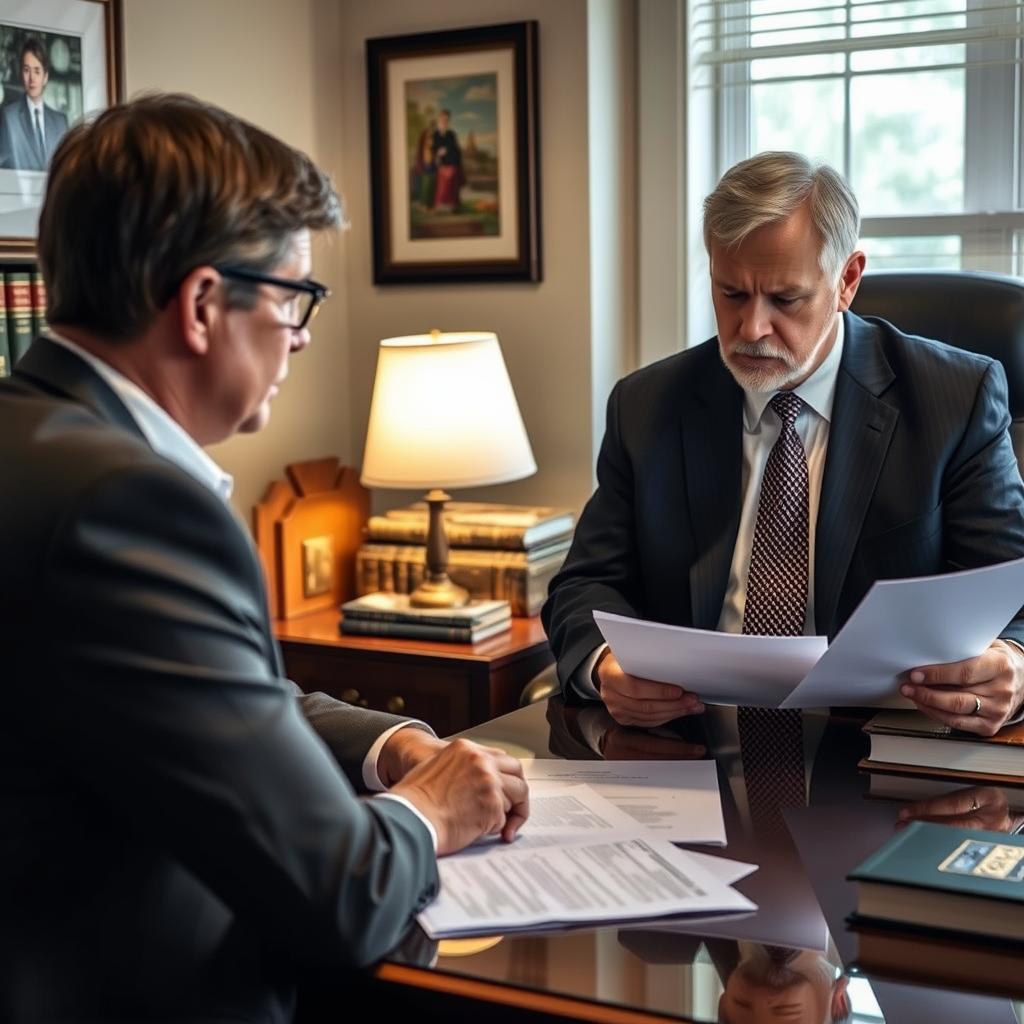
Estate Planning Lawyer Seneca County
An Estate Planning Lawyer Seneca County manages the legal transfer of assets and healthcare wishes under New York law. Law Offices Of SRIS, P.C. —Advocacy Without Borders. provides this essential service. We draft wills, trusts, powers of attorney, and healthcare directives specific to Seneca County. Our legal team ensures your plan meets New York’s strict probate and estate tax rules. (Confirmed by SRIS, P.C.)
Statutory Definition of Estate Planning in New York
Estate planning in Seneca County operates under New York’s Estates, Powers and Trusts Law (EPTL) and Surrogate’s Court Procedure Act (SCPA). These statutes govern wills, trusts, intestacy, and probate administration. The primary goal is to direct asset distribution and appoint fiduciaries. A valid will must meet specific execution formalities under EPTL 3-2.1. Trusts are controlled by Article 7 of the EPTL. Without a plan, New York’s intestacy laws (EPTL Article 4) dictate asset distribution. This may not reflect your wishes.
EPTL 3-2.1 — Execution of Wills — Formal Requirements. A will must be in writing, signed by the testator, and witnessed by at least two individuals who sign in the testator’s presence. Holographic wills are not recognized in New York. The statute sets the legal framework for creating a valid will in Seneca County.
New York also imposes an estate tax with a filing threshold. For 2023, the basic exclusion amount is $6.58 million. Estates exceeding this may owe New York estate tax. Proper planning can minimize this liability. Advanced directives like healthcare proxies and powers of attorney are authorized under New York Public Health Law. These documents are critical components of a complete estate plan. They ensure your medical and financial decisions are respected if you become incapacitated.
What are the key documents in a Seneca County estate plan?
A thorough estate plan includes a will, revocable living trust, durable power of attorney, and healthcare proxy. The will directs asset distribution and names guardians for minor children. A revocable living trust helps avoid probate for assets titled in the trust’s name. The durable power of attorney appoints someone to manage finances if you cannot. The healthcare proxy appoints an agent for medical decisions. A living will states your end-of-life care preferences.
How does New York law treat assets without a will?
New York’s intestacy laws (EPTL Article 4) distribute assets to surviving spouses and children in set shares. If you die without a will, your spouse receives the first $50,000 plus half of the balance. The remaining half goes to your children. If you have no spouse or children, assets pass to parents, then siblings. The Surrogate’s Court appoints an administrator to handle the estate. This process is often slower and more public than probate with a will.
What is the role of the Seneca County Surrogate’s Court?
The Seneca County Surrogate’s Court oversees the probate of wills and administration of estates. This court validates wills, appoints executors, and ensures creditors are paid. It also handles guardianship proceedings for minors and incapacitated adults. All estate matters in Seneca County must be filed with this court. The court’s procedures are detailed in the Surrogate’s Court Procedure Act (SCPA).
The Insider Procedural Edge in Seneca County
The Seneca County Surrogate’s Court is located at 1 DiPronio Drive, Waterloo, NY 13165. This court handles all probate, estate administration, and guardianship matters for Seneca County residents. Filing a will for probate initiates the legal process of estate settlement. The court reviews the will’s validity and issues letters testamentary to the executor. These letters grant the executor legal authority to act. Learn more about Virginia legal services.
Procedural specifics for Seneca County are reviewed during a Consultation by appointment at our Seneca County Location. The timeline for probate varies based on estate complexity and potential disputes. A simple, uncontested estate may take several months to settle. Estates with disputes or tax issues can take a year or more. The court requires specific forms and documentation for every filing. An experienced estate planning lawyer Seneca County ensures all paperwork is correct.
Filing fees in Surrogate’s Court are based on the estate’s value. New York uses a sliding scale for these fees. For example, estates valued under $10,000 have a nominal filing fee. Estates over $500,000 incur higher fees. Exact current fees should be verified with the court or your attorney. Additional costs may include publication fees for required legal notices and fiduciary bonds.
Penalties, Risks, and Defense Strategies
The most common risk of poor estate planning is unintended asset distribution under intestacy laws. Without a valid will, New York law decides who inherits your property. This can disinherit partners, charities, or specific family members. It can also trigger unnecessary estate taxes and prolonged court proceedings. Family disputes often arise when intentions are not clearly documented.
| Risk/Omission | Consequence | Notes |
|---|---|---|
| Dying without a will (Intestacy) | Assets distributed per EPTL Article 4 | Spouse and children receive set shares; no provision for unmarried partners. |
| Invalid will execution | Will contested and potentially invalidated | Failure to meet EPTL 3-2.1 witness requirements is a common ground for challenge. |
| No Durable Power of Attorney | Guardianship proceeding required for incapacity | Court-supervised process; more costly and restrictive than a power of attorney. |
| No Healthcare Proxy | Medical decisions may require court order | Family disputes over care can delay critical treatment. |
| Estate exceeding NY tax threshold without planning | New York estate tax liability | Tax rates can be significant; proper trust drafting can minimize exposure. |
[Insider Insight] The Seneca County Surrogate’s Court expects strict adherence to procedural rules. Petitions with errors or missing documentation are routinely rejected. This causes delays. Local practice emphasizes clear, unambiguous language in wills and trusts to prevent family contests. The court looks favorably on plans that include all necessary ancillary documents. Having a will and trust drafting lawyer Seneca County prepare your documents avoids procedural pitfalls.
What are the financial risks of not having an estate plan?
Intestacy can lead to higher administration costs and potential New York estate taxes. Probate fees and legal costs are paid from the estate’s assets. These reduce the inheritance for your beneficiaries. Without tax planning, your estate may pay more in state taxes than necessary. Proper planning with tools like trusts can protect assets and reduce tax burdens.
How can a trust protect assets in Seneca County?
A revocable living trust avoids the public probate process for assets held in the trust. This provides privacy and can expedite distribution. Irrevocable trusts can remove assets from your taxable estate. This is a key strategy for estates near or above New York’s exclusion amount. Trusts can also provide for minor children or beneficiaries with special needs without court supervision. Learn more about criminal defense representation.
What happens if a will is contested in Seneca County?
A will contest is a lawsuit filed in Seneca County Surrogate’s Court. Common grounds include lack of testamentary capacity, undue influence, or improper execution. The court holds a hearing to examine evidence. If the contest succeeds, the will is voided. The estate then falls to intestacy or a prior valid will. Contests delay distribution and increase legal fees significantly.
Why Hire SRIS, P.C. for Estate Planning in Seneca County
Our lead attorney for estate matters has over 15 years of experience drafting complex wills and trusts. This attorney focuses on New York’s Estates, Powers and Trusts Law. We apply this deep knowledge to create plans for Seneca County families and business owners. Our approach is direct and practical. We identify your goals and build a legal structure to achieve them.
Attorney Profile: Our senior estate planning attorney is versed in New York fiduciary law. This attorney reviews asset titles, beneficiary designations, and tax implications. We draft precise documents that withstand legal scrutiny. Our team understands the local procedures of the Seneca County Surrogate’s Court.
SRIS, P.C. provides thorough estate plan lawyer Seneca County services. We do not use generic templates. Each plan is customized to your family dynamics and financial situation. We coordinate with your financial advisor and accountant when necessary. Our goal is to create a smooth plan that works during your life and after. We ensure your executor and trustees have clear guidance.
Our firm serves clients across New York from our strategic Locations. We are familiar with the nuances of upstate New York estate law. Our experienced legal team is accessible and responsive. We explain legal concepts in plain terms. You will understand every document you sign. We prepare you for meetings with the Surrogate’s Court if needed.
Localized Seneca County Estate Planning FAQs
What is the first step to start estate planning in Seneca County?
Schedule a Consultation by appointment with an estate planning lawyer Seneca County. Gather a list of your assets, debts, and family information. Decide who you want to inherit your property and who should be your executor. This initial meeting sets the foundation for your entire plan. Learn more about DUI defense services.
How often should I update my will or trust?
Review your estate plan every three to five years or after major life events. These events include marriage, divorce, birth of a child, or significant change in finances. New York law changes may also necessitate updates to your documents.
Does a will avoid probate in New York?
No, a will does not avoid probate. It instructs the Surrogate’s Court on how to administer your estate. To avoid probate, assets must be held in a trust, have joint ownership, or have designated beneficiaries. A will and trust drafting lawyer Seneca County can structure assets to minimize probate.
What is the difference between an executor and a trustee?
An executor manages your estate through the probate court process after your death. A trustee manages assets held inside a trust, often without court involvement. The same person can serve both roles, but their duties and timelines are governed by different laws.
Are handwritten wills valid in Seneca County?
No, New York does not recognize holographic wills. A valid will must be signed in the presence of two witnesses who also sign. There are limited exceptions for soldiers and sailors, but these are narrowly applied. Always use a formally executed will.
Proximity, CTA & Disclaimer
SRIS, P.C. serves clients throughout Seneca County, New York. Our legal team is familiar with the Seneca County Surrogate’s Court located at 1 DiPronio Drive in Waterloo. We provide dedicated estate planning services for residents of Waterloo, Geneva, Seneca Falls, and all surrounding communities. Consultation by appointment. Call 24/7.
Law Offices Of SRIS, P.C.—Advocacy Without Borders. is committed to providing clear, effective legal counsel for your estate planning needs. We draft documents that reflect your wishes and comply with New York law. Protect your legacy and provide clarity for your family.
Past results do not predict future outcomes.