
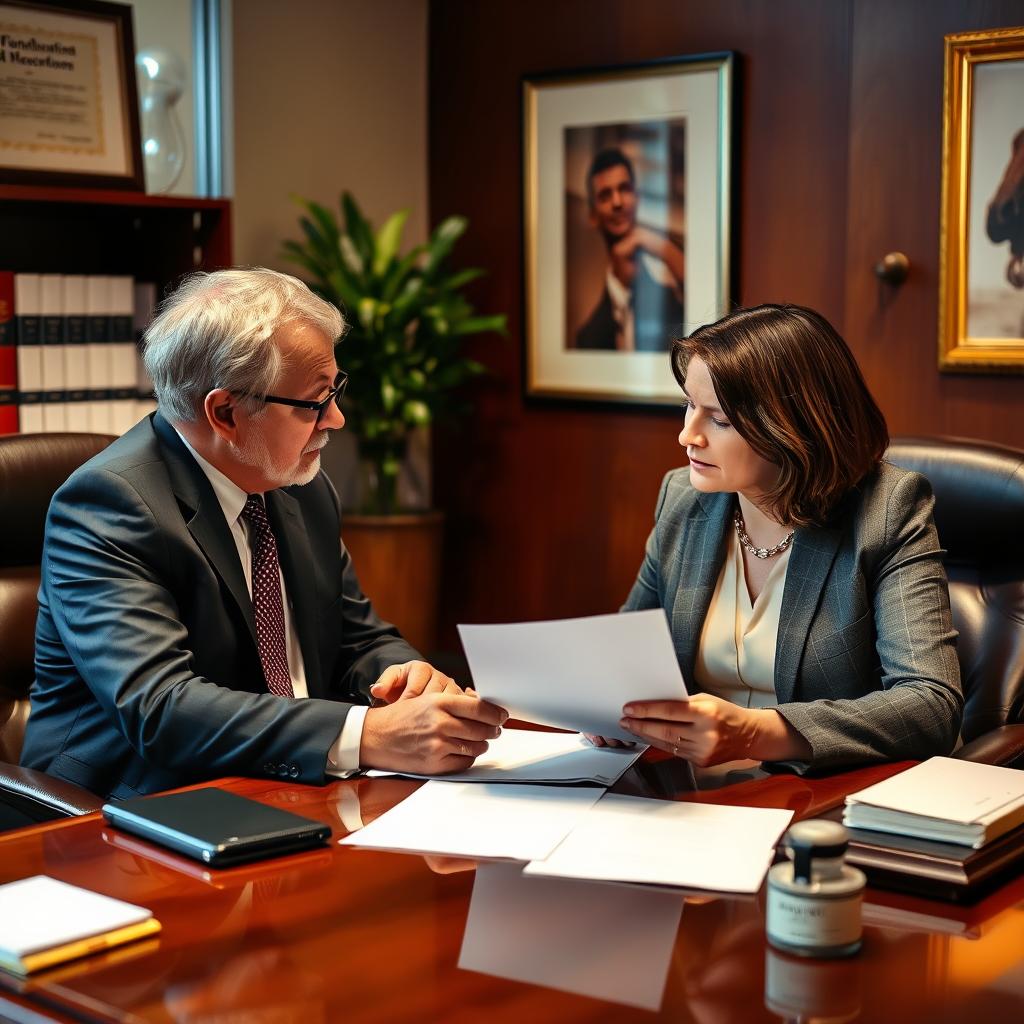
Foundation Lawyer Dupont Circle
A foundation lawyer in Dupont Circle handles legal matters for nonprofit and charitable organizations. These lawyers ensure compliance with District of Columbia and federal regulations. They manage formation, governance, and tax-exempt status filings. Law Offices Of SRIS, P.C.—Advocacy Without Borders. provides focused representation for these entities. Our Dupont Circle Location offers direct access to experienced counsel. (Confirmed by SRIS, P.C.)
Statutory Definition of Nonprofit Law in the District of Columbia
Nonprofit law in the District of Columbia is governed by the D.C. Code and federal tax statutes. A foundation lawyer in Dupont Circle must handle these overlapping legal frameworks. The primary goal is establishing and maintaining tax-exempt status under section 501(c)(3) of the Internal Revenue Code. Local D.C. law provides the corporate structure for these organizations. Compliance is mandatory for ongoing operations and fundraising.
D.C. Official Code § 29–401.01 et seq. — Nonprofit Corporation Act — Governs formation and operation. This statute outlines the legal requirements for forming a nonprofit corporation in the District. It details the necessary articles of incorporation, bylaws, and governance standards. The Act defines the duties of directors and officers. It also sets forth rules for member meetings and voting procedures. Adherence to this code is the first legal step for any foundation.
Federal law, specifically the Internal Revenue Code, imposes additional critical layers. Obtaining 501(c)(3) status is a separate application process with the IRS. This status allows donors to make tax-deductible contributions. It also exempts the organization from federal income tax. A foundation lawyer in Dupont Circle manages this dual compliance. They ensure both D.C. corporate law and federal tax law are satisfied.
What are the key documents for forming a nonprofit foundation?
The key documents are Articles of Incorporation, corporate Bylaws, and IRS Form 1023. Articles of Incorporation are filed with the D.C. Department of Consumer and Regulatory Affairs (DCRA). They must include a specific charitable purpose clause required by the IRS. The Bylaws establish the internal rules for governance and operations. IRS Form 1023 is the application for federal tax-exempt status.
What is the difference between a public charity and a private foundation?
A public charity derives support from the general public and government grants. A private foundation is typically funded by an individual, family, or corporation. Public charities have more favorable tax rules and fewer regulatory restrictions. Private foundations face excise taxes and stricter operational controls. A foundation lawyer in Dupont Circle can advise on the optimal structure.
What ongoing compliance is required for a D.C. nonprofit?
D.C. nonprofits must file a biennial report with the DCRA. They must also maintain a registered agent within the District of Columbia. Federally, most organizations must file an annual Form 990 with the IRS. Failure to file for three consecutive years results in automatic revocation of tax-exempt status. Proper governance meeting minutes are also legally required. Learn more about Virginia legal services.
The Insider Procedural Edge for Dupont Circle Nonprofits
Nonprofit matters are primarily handled by the D.C. Department of Consumer and Regulatory Affairs (DCRA) and the IRS. The DCRA Location is located at 1100 4th Street SW, Washington, DC 20024. This is the central filing Location for all D.C. corporate entities. Procedural specifics for Dupont Circle are reviewed during a Consultation by appointment at our Dupont Circle Location. Timelines and filing fees are set by these agencies.
The DCRA processes filings for Articles of Incorporation and biennial reports. Their current filing fee for nonprofit articles is typically under $100. Processing can take several weeks. The IRS processing for Form 1023 is a separate and longer timeline. It can take between three to twelve months for a determination letter. Expedited processing is rarely granted.
Local foundations often interact with the D.C. Location of the Attorney General (OAG). The OAG’s Nonprofit and Charitable Organizations Division oversees charitable solicitations. They enforce registration requirements for fundraising. Dupont Circle organizations must register if they solicit donations from the public. A skilled foundation lawyer near me can manage these registrations proactively.
What is the typical timeline to establish a 501(c)(3) in D.C.?
The full process usually takes four to six months from start to finish. Filing with the DCRA can be completed in a few weeks. The IRS review of Form 1023 is the most time-consuming phase. It often takes 90 to 180 days for the IRS to issue a determination letter. Planning for this delay is crucial for any organization’s launch.
Are there local grant-making foundations in Dupont Circle to be aware of?
Dupont Circle is home to many philanthropic organizations and private foundations. These entities can be potential partners or sources of funding. Understanding the local philanthropic area is an advantage. An affordable foundation lawyer Washington Dupont Circle can provide connections and insights. This knowledge aids in strategic planning and networking. Learn more about criminal defense representation.
Penalties, Risks, and Defense Strategies for Nonprofits
The most common penalty for non-compliance is the loss of tax-exempt status. This revocation can be catastrophic for an organization. It triggers liability for back taxes and penalties. Donors may lose their tax deductions for past contributions. The organization’s reputation and ability to fundraise are severely damaged.
| Offense / Non-Compliance | Potential Penalty / Consequence | Notes |
|---|---|---|
| Failure to File Biennial Report (DCRA) | Administrative dissolution of the corporation. | The organization loses its legal standing to operate in D.C. |
| Failure to File Form 990 for 3 Years (IRS) | Automatic revocation of 501(c)(3) status. | Reinstatement is possible but is a lengthy, expensive process. |
| Engaging in Excessive Private Benefit or Inurement | IRS excise taxes (Intermediate Sanctions); possible personal liability for directors. | Violates the core principle that no private shareholder may benefit. |
| Unregistered Charitable Solicitation (D.C. OAG) | Civil fines and injunctions against fundraising. | Required if soliciting donations from the public in the District. |
| Breach of Fiduciary Duty by Directors/Officers | Personal liability for damages caused to the organization. | Governed by D.C. Code and the organization’s own bylaws. |
[Insider Insight] The D.C. Location of the Attorney General has increased scrutiny of nonprofit governance. They focus on conflicts of interest and excessive executive compensation. The IRS audits smaller nonprofits at a lower rate but targets specific issues. These include unrelated business income and political campaign intervention. Proactive legal counsel is the best defense against these inquiries.
Defense strategies begin with impeccable record-keeping. Maintain detailed minutes for all board and committee meetings. Document all financial transactions and conflicts of interest disclosures. Implement and follow strong internal financial controls. Engage a foundation lawyer Washington near me for an annual compliance review. This proactive approach identifies and corrects issues before they attract agency attention.
What are the personal liabilities for nonprofit board members?
Board members can be personally liable for breaches of their fiduciary duties. This includes the duties of care, loyalty, and obedience. Liability can arise from approving excessive compensation or self-dealing transactions. It can also result from failing to oversee the organization’s finances. Directors and officers (D&O) insurance is a critical risk management tool.
Can a nonprofit regain its tax-exempt status after revocation?
Yes, but the process is arduous and expensive. The organization must file IRS Form 1023 again as a new applicant. It must pay a higher user fee. It must also show reasonable cause for its initial failure to comply. All back tax returns and penalties must be filed and paid. Legal guidance is essential for any reinstatement effort. Learn more about DUI defense services.
Why Hire SRIS, P.C. for Your Foundation’s Legal Needs
Our attorneys bring direct experience with the D.C. regulatory agencies and the IRS. We understand the precise language required for D.C. filings and IRS applications. This experience prevents costly delays and rejections. We focus on building a legally sound foundation from the start. This protects your mission and your donors’ contributions.
Attorney Profile: Our lead counsel for nonprofit matters has over fifteen years of experience in corporate and tax law. This attorney has successfully filed for and defended the tax-exempt status of numerous organizations. They have represented clients before the DCRA and in communications with the IRS. Their practice is dedicated to the unique legal needs of charitable entities in the District of Columbia.
SRIS, P.C. provides more than just document preparation. We offer strategic counsel on governance, fundraising compliance, and risk management. Our team helps you understand the obligations of your board members. We draft conflict of interest policies and review executive compensation packages. We ensure your organization operates with integrity and transparency.
The firm’s approach is practical and results-oriented. We work to achieve your charitable goals within the legal framework. Our Dupont Circle Location offers convenient access for meetings and consultations. We provide clear, direct advice without unnecessary legal jargon. You need a lawyer who understands both the law and the philanthropic sector.
Localized FAQs for Dupont Circle Foundations
What does a foundation lawyer in Dupont Circle actually do?
A foundation lawyer handles legal formation, tax exemption applications, and ongoing regulatory compliance. They draft governance documents and advise boards on fiduciary duties. They ensure the organization meets all D.C. and federal legal requirements. Learn more about our experienced legal team.
How much does it cost to hire a foundation lawyer near me?
Costs vary based on the organization’s complexity and needs. Simple formation may involve a flat fee. Ongoing compliance and complex transactions typically bill at an hourly rate. SRIS, P.C. provides clear fee structures during an initial consultation.
What is the first step to start a nonprofit in Dupont Circle?
The first step is consulting with a lawyer to define your charitable purpose and structure. Next, you file Articles of Incorporation with the D.C. DCRA. Then, you apply for an Employer Identification Number (EIN) from the IRS.
Can my Dupont Circle foundation make grants internationally?
Yes, but it requires careful adherence to IRS “expenditure responsibility” rules. You must conduct equivalency determinations or grantee pre-grant inquiries. Proper documentation is essential to maintain your tax-exempt status.
Do I need a lawyer to apply for 501(c)(3) status?
While not legally required, it is highly advisable. The IRS application is complex and legally binding. Errors can cause lengthy delays or denial of tax-exempt status. Legal guidance ensures it is done correctly the first time.
Proximity, Contact, and Critical Disclaimer
Our legal team serves clients throughout the Dupont Circle area. Procedural specifics for Dupont Circle are reviewed during a Consultation by appointment at our Location. We are accessible for organizations in the District of Columbia. Consultation by appointment. Call 888-437-7747. 24/7.
SRIS, P.C. is committed to providing effective legal representation for nonprofits. We help you build a solid legal foundation for your charitable work. Our guidance is specific to the specific demands of D.C. and federal law.
Past results do not predict future outcomes.