
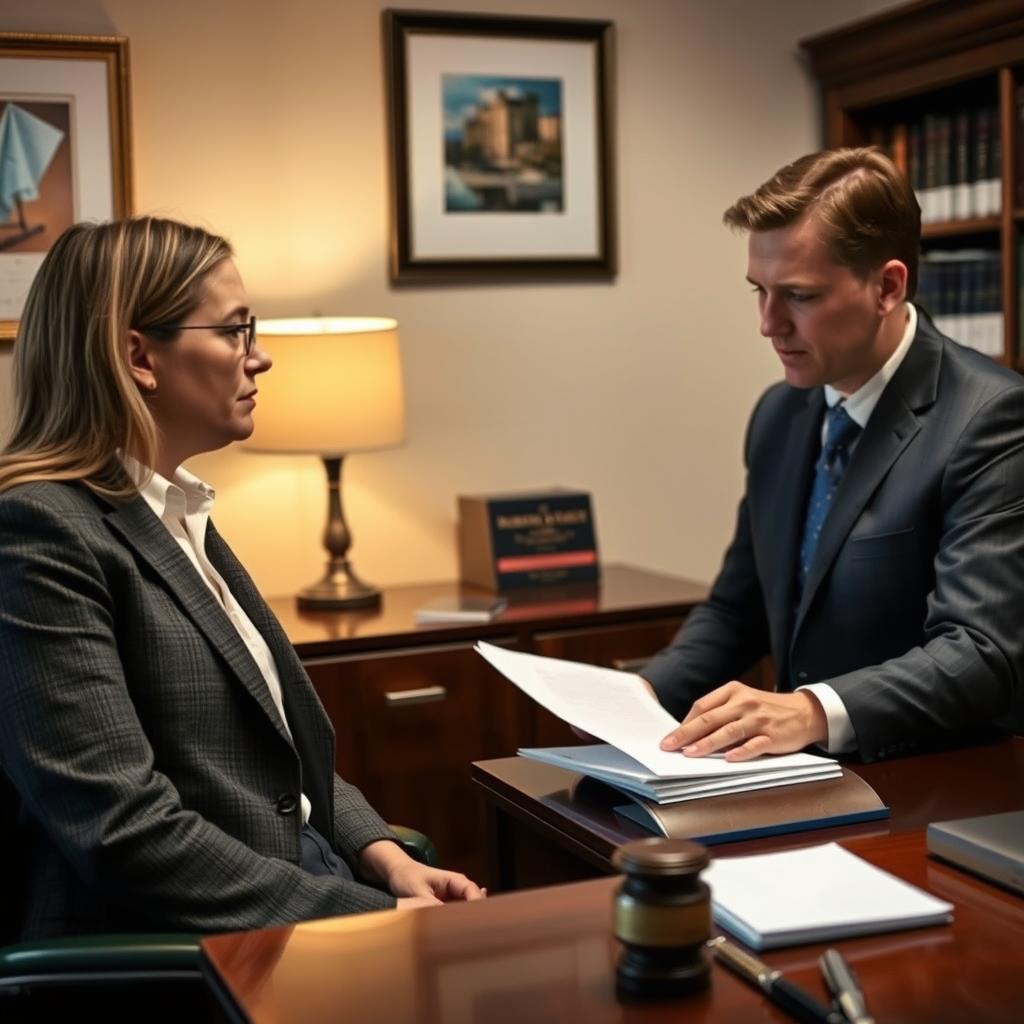
Trust & Estate Lawyer in Nassau County, NY
New York Trust & Estate Laws
New York trust and estate law is primarily codified in the Estates, Powers and Trusts Law (EPTL) and the Surrogate’s Court Procedure Act (SCPA). These statutes govern wills, trusts, probate, estate administration, and fiduciary duties. The New York estate tax applies to estates exceeding $7.35 million in 2026, with a “cliff effect” that taxes the entire estate if it exceeds 105% of the exemption.
Last verified: March 2026 | Nassau County Supreme Court | New York State Legislature
Official Legal Resources
For the complete text of New York estate laws, refer to the New York Estates, Powers and Trusts Law (official New York State Legislature website). For Nassau County court procedures, visit the Nassau County Supreme Court website (New York Unified Court System).
Nassau County Estate Procedures
Wills are probated through the Nassau County Surrogate’s Court. The court appoints executors or administrators, issues citations to interested parties, and requires inventory and accounting. Estate administration follows statutory timelines with specific filing requirements.
- File the will and petition: File the original will and a petition for probate with the Nassau County Surrogate’s Court. Pay the required filing fee based on estate value.
- Obtain executor appointment: The court will issue letters testamentary appointing the executor if no objections are filed. The executor must post a bond unless waived in the will.
- Notify interested parties: Serve citations on all heirs, beneficiaries, and creditors. Publish notice to creditors in a local newspaper as required by law.
- Inventory estate assets: Prepare and file an inventory of all estate assets with the court. This includes real property, bank accounts, investments, and personal property.
- Pay debts and taxes: Pay valid creditor claims and file federal and New York estate tax returns within 9 months of death. Pay any taxes due.
- Distribute remaining assets: After court approval, distribute remaining assets to beneficiaries according to the will. File a final accounting with the court to close the estate.
Estate Planning Considerations
In Nassau County, estate planning involves addressing New York’s specific estate tax rules, probate procedures, and fiduciary requirements to protect assets and ensure proper distribution.
| Document/Process | Legal Basis | Key Requirements | Timeline |
|---|---|---|---|
| Last Will & Testament | EPTL § 3-2.1 | Signed by testator, 2 witnesses | Effective at death |
| Probate | SCPA § 1401 | Original will, petition, fees | 12-24 months |
| Executor Commission | SCPA § 2307 | Statutory graduated rates | Paid during administration |
| NY Estate Tax Return | Tax Law § 951 | Due 9 months after death | Filed with NYS Tax Dept |
| Will Contest | SCPA § 1409 | Standing, valid grounds | 12-24 months litigation |
Results may vary. Each estate matter depends on specific facts and circumstances.
Our Trust & Estate Experience
Law Offices Of SRIS, P.C. was founded in 1997 by former prosecutor Mr. Sris. Our firm brings combined legal experience to trust and estate matters in New York. We understand the details of New York’s estate tax system and Surrogate’s Court procedures.
Case Results
Law Offices Of SRIS, P.C. has achieved favorable outcomes in estate matters. Our firm-wide experience includes handling probate administrations, will contests, trust administrations, and estate planning for clients throughout New York and other states where we practice.
Results may vary. Prior results do not aim for a similar outcome in your case.
Nassau County Estate Lawyer Near Me
Our New York location serves clients at Nassau County courts, accessible via I-495 (LIE), Northern State Parkway, and Southern State Parkway. We represent clients throughout the Nassau County area and surrounding communities.
Trust and estate lawyer near Nassau County Surrogate’s Court and surrounding communities. 24/7 phone consultations — (888) 437-7747 — meetings by appointment only.
Law Offices Of SRIS, P.C.
New York Location — Buffalo/NY area
By appointment only
Phone: (888) 437-7747 | Local: (703) 636-5417
Serving: Mineola, Garden City, Hempstead, Long Beach, Valley Stream, Hicksville, Levittown, Freeport, Rockville Centre, Glen Cove, Oyster Bay, Great Neck, Massapequa, Syosset
Frequently Asked Questions
What is the New York estate tax exemption for 2026?
The New York estate tax exemption is $7.35 million for 2026. However, New York has a ‘cliff effect’—if the taxable estate exceeds 105% of the exemption, the entire estate is taxed, not just the excess amount. Tax rates range from 3.06% to 16% on the taxable estate.
How long does probate take in Nassau County Surrogate’s Court?
Probate typically takes 12-24 months in Nassau County Surrogate’s Court. The timeline depends on estate complexity, creditor claims, and whether any will contests are filed. Small estates under $50,000 may use an expedited affidavit process that can be completed in weeks rather than months.
What are the executor commission rates in New York?
Executor commissions in New York are statutory under SCPA § 2307. The rate is graduated: 5% on the first $100,000, 4% on the next $200,000, 3% on the next $700,000, 2.5% on the next $4 million, and 2% on amounts above $5 million. Multiple executors share the commission.
When is the New York estate tax return due?
The New York estate tax return (Form ET-706) is due 9 months after the date of death. Extensions may be requested, but any tax owed must still be paid by the original due date to avoid penalties and interest. Federal estate tax returns follow the same timeline.
What happens if someone contests a will in Nassau County?
If a will is contested in Nassau County, the Surrogate’s Court will issue citations to all interested parties. The estate is typically frozen during litigation, which can last 12-24 months. Grounds for contest include lack of capacity, undue influence, fraud, or improper execution of the will.
Related Legal Services
New York Trust & Estate Lawyer | Albany County Estate Lawyer | Nassau County Business Lawyer | Mr. Sris Attorney Profile
Last verified: March 2026. Information current as of verification date. Laws change—contact Law Offices Of SRIS, P.C. at (888) 437-7747 for current guidance.