
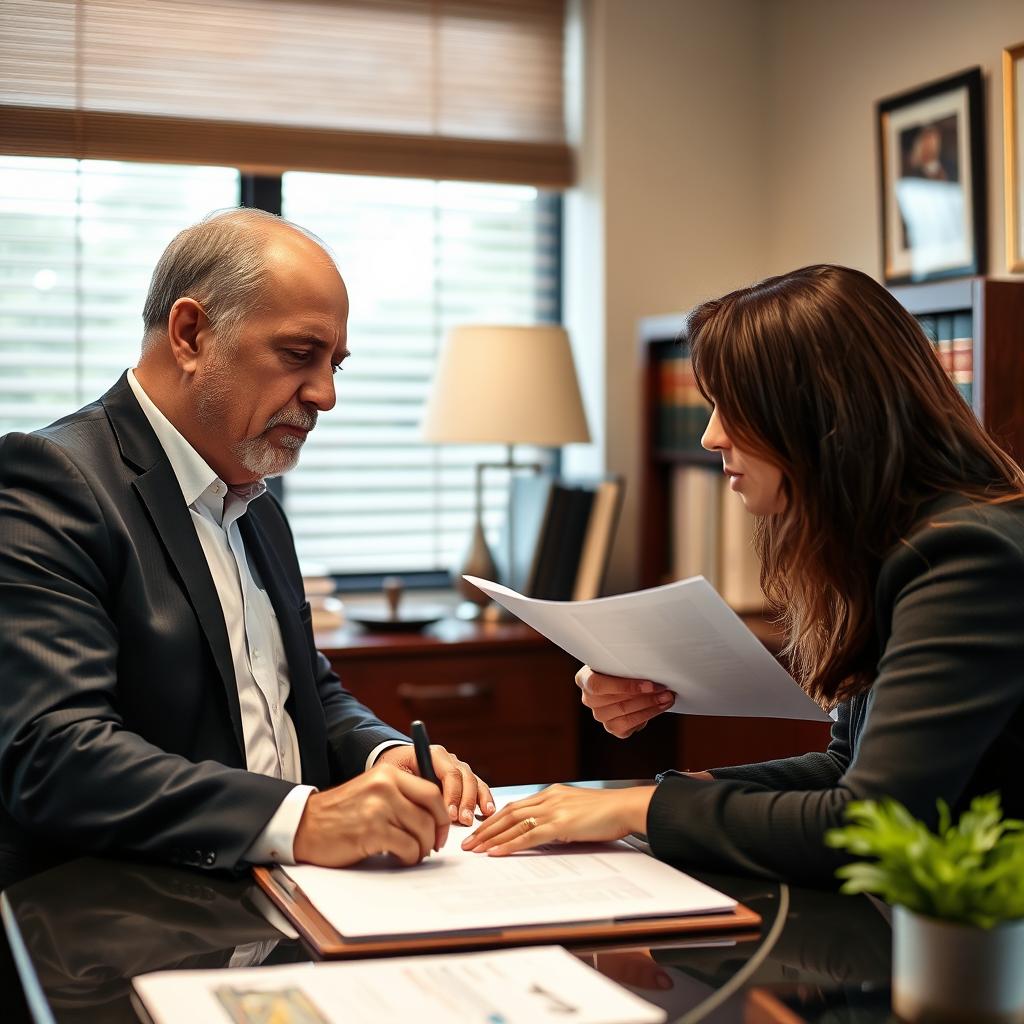
Foundation Planning Lawyer Prince George County
Establishing a private foundation in Prince George County requires strict adherence to Virginia and IRS codes. A foundation planning lawyer Prince George County ensures your charitable entity is structured correctly for tax exemption and governance. Law Offices Of SRIS, P.C. —Advocacy Without Borders. provides precise legal counsel for creating and maintaining foundations. (Confirmed by SRIS, P.C.)
Statutory Definition of a Private Foundation in Virginia
Virginia law defines a private foundation under the Virginia Nonstock Corporation Act, primarily governed by § 13.1-801 et seq., with tax status determined by Internal Revenue Code § 501(c)(3). A private foundation is a nonprofit corporation organized for charitable, religious, or educational purposes that typically receives funding from a single source, like a family or corporation, and must comply with strict operational controls and annual reporting. Failure to meet these requirements can result in loss of tax-exempt status and significant excise taxes under IRC § 4940-4948. The legal structure is critical for liability protection and ensuring donations are tax-deductible. Proper formation under Virginia law is the first step toward securing federal tax exemption.
Virginia’s legal framework for nonprofits is distinct from for-profit business entities. The Virginia State Corporation Commission (SCC) oversees the corporate filing. The IRS separately governs the tax-exempt determination. A foundation planning lawyer Prince George County handles both regulatory bodies. This dual compliance is non-negotiable for operational legitimacy.
What is the primary Virginia code for forming a foundation?
The Virginia Nonstock Corporation Act, Title 13.1, Chapter 10, provides the statutory basis. This code outlines articles of incorporation requirements for nonprofit entities. It mandates specific provisions for charitable purposes. Bylaws and governance rules are established under this act.
What defines a “private” versus “public” charity under IRS rules?
IRC § 509(a) classifies private foundations as organizations that do not meet public support tests. Public charities receive broad financial support from the general public. Private foundations are often funded by an individual, family, or business. This classification triggers specific excise tax rules and operational restrictions.
What are the key formation documents required in Virginia?
You must file Articles of Incorporation with the Virginia SCC. These articles must include a specific dissolution clause dedicating assets to another 501(c)(3) organization. You must also adopt corporate bylaws. An Employer Identification Number (EIN) from the IRS is required before applying for tax exemption.
The Insider Procedural Edge in Prince George County
Foundation matters are adjudicated at the Prince George County Circuit Court, located at 6601 Courts Drive, Prince George, VA 23875. While most foundation formation is administrative, court involvement arises for disputes over charitable trusts, fiduciary duties, or dissolution. The Clerk of the Prince George County Circuit Court handles the recording of certain fiduciary documents. Procedural specifics for Prince George County are reviewed during a Consultation by appointment at our Prince George County Location.
The local procedural temperament favors precise documentation. Judges expect strict compliance with Virginia corporate formalities. Any petition regarding a foundation’s operation must be carefully supported. Timelines for administrative approvals vary based on SCC and IRS workloads. Filing fees for articles of incorporation are set by the Virginia SCC, not the local court.
The legal process in Prince George County follows specific procedural requirements that affect case timelines and outcomes. Courts in this jurisdiction apply local rules that may differ from neighboring areas. An attorney familiar with Prince George County court procedures can identify procedural advantages relevant to your situation. Learn more about Virginia legal services.
Where is the correct court for a foundation-related dispute in Prince George County?
The Prince George County Circuit Court at 6601 Courts Drive has jurisdiction. This court handles matters involving charitable trusts and fiduciary breaches. All petitions must be filed with the Clerk of the Circuit Court. Venue is proper where the foundation’s registered agent is located.
What is the typical timeline for SCC approval of articles?
The Virginia SCC typically processes nonprofit articles within 5-7 business days for expedited filings. Standard mail filings can take several weeks. The timeline begins once the SCC receives a complete and correct filing. Delays occur if the purpose clause does not meet statutory requirements.
What local factors influence foundation governance proceedings?
The court scrutinizes the foundation’s adherence to its stated charitable purpose. Local judges emphasize the proper exercise of duty by directors and trustees. Any deviation from the articles or bylaws can lead to court intervention. Maintaining detailed corporate minutes is essential for defense.
Penalties, Taxes, and Defense Strategies for Foundations
The most common penalties for foundation non-compliance are federal excise taxes, starting at a 10-30% rate on prohibited transactions, and potential loss of tax-exempt status. Virginia may also impose penalties for failure to file annual SCC reports. The financial impact can be severe, jeopardizing the foundation’s mission and assets.
Virginia law establishes specific statutory frameworks that govern these matters. Each case involves unique factual circumstances that require careful legal analysis. SRIS, P.C. attorneys evaluate every relevant factor when developing case strategy for clients in Prince George County.
| Offense / Violation | Penalty / Consequence | Notes |
|---|---|---|
| Failure to File Annual IRS Form 990-PF | $20 per day penalty up to $10,000; loss of exemption for repeated failure. | Higher penalties for organizations with gross receipts over $1 million. |
| Self-Dealing (IRC § 4941) | Initial tax of 10% on amount involved; additional 200% tax if not corrected. | Applies to transactions between foundation and disqualified persons. |
| Failure to Distribute Income (IRC § 4942) | 30% excise tax on undistributed income. | Must distribute approximately 5% of investment assets annually. |
| Excess Business Holdings (IRC § 4943) | 10% tax on value of excess holdings; 200% tax if not divested. | Limits foundation ownership in private businesses. |
| Jeopardizing Investments (IRC § 4944) | 10% tax on amount invested; 25% tax on manager. | Applies to investments that risk charitable purposes. |
| Taxable Expenditures (IRC § 4945) | 20% tax on improper expenditure; 5% on foundation manager. | For political lobbying or non-charitable grants. |
[Insider Insight] The Virginia Attorney General’s Charitable Trusts Unit monitors foundation compliance. In Prince George County, local counsel is vital for responding to inquiries from this unit. Proactive correction of minor filing errors can prevent major audits. We negotiate with the IRS and state agencies to correct filings and avoid punitive taxes.
How can a foundation avoid self-dealing penalties?
Strictly prohibit any financial transaction with disqualified persons. Disqualified persons include substantial contributors, foundation managers, and their families. All transactions must be at arm’s length and benefit the foundation. Board minutes must document the approval process and rationale. Learn more about criminal defense representation.
What triggers an audit by the IRS for a private foundation?
Late or incomplete Form 990-PF filings are a primary trigger. Large, unusual grants or expenditures can also prompt review. Inconsistencies between reported activities and the stated charitable purpose raise flags. High compensation for officers or managers attracts scrutiny.
What is the defense strategy for a missed annual report?
File the delinquent report immediately with a reasonable cause statement. We advocate for abatement of penalties based on inadvertence or administrative error. Demonstrating a history of compliance strengthens the argument. We handle all communications with the Virginia SCC.
Court procedures in Prince George County require proper documentation and adherence to filing deadlines. Missing a deadline or submitting incomplete filings can negatively impact case outcomes. Working with an attorney who handles cases in Prince George County courts regularly ensures that procedural requirements are met correctly and on time.
Why Hire SRIS, P.C. for Your Foundation Planning
Our lead attorney for charitable entities has over 15 years of experience structuring Virginia nonprofits and securing IRS 501(c)(3) determinations. We understand the precise language required by both the Virginia SCC and the IRS for successful formation. SRIS, P.C. has a record of establishing compliant private foundations for clients in Prince George County.
Attorney Background: Our foundation planning team includes attorneys proficient in tax and corporate law. They draft articles and bylaws that anticipate governance issues and tax compliance. We manage the entire process from SCC filing to IRS determination letter. Our goal is to create a durable structure for your philanthropy.
The timeline for resolving legal matters in Prince George County depends on multiple factors including case type, court scheduling, and the positions of all parties involved. SRIS, P.C. keeps clients informed throughout the process and works to move cases forward as efficiently as possible.
We differentiate ourselves by integrating foundation planning with broader estate planning strategies. This ensures your charitable goals align with your overall financial legacy. We provide ongoing counsel for annual compliance and grant-making policies. Our Prince George County Location offers accessible, focused legal support. Learn more about DUI defense services.
Localized Foundation Planning FAQs for Prince George County
What is the first step to start a private foundation in Prince George County?
Consult a foundation planning lawyer Prince George County to define your charitable purpose. Draft and file Articles of Incorporation with the Virginia SCC. Obtain an EIN from the IRS. Prepare and submit Form 1023 to the IRS for 501(c)(3) status.
How long does it take to get IRS tax-exempt status?
The IRS typically takes 3 to 12 months to process Form 1023. Expedited processing is rarely granted. You cannot receive tax-deductible donations until the determination letter is issued. Plan your fundraising timeline accordingly.
Can a private foundation pay its directors or officers?
Yes, but compensation must be reasonable and for services rendered. Excessive compensation is considered self-dealing and incurs excise taxes. Compensation decisions must be documented in board minutes. Comparable salary data should support the amount.
Financial implications are often a significant concern in legal proceedings. Virginia courts consider relevant financial factors when making determinations. Proper preparation of financial documentation strengthens your position and supports favorable outcomes in Prince George County courts.
What ongoing reports must a Virginia private foundation file?
File IRS Form 990-PF annually. File the Virginia SCC Annual Report for Nonstock Corporations. Some foundations must register with the Virginia Location of Charitable and Regulatory Programs. Keep detailed financial and meeting records.
What happens if our foundation wants to close or dissolve?
You must file Articles of Dissolution with the Virginia SCC. All remaining assets must be distributed to another 501(c)(3) organization. A final Form 990-PF must be filed with the IRS. The Virginia Attorney General may review the dissolution plan.
Proximity, Consultation, and Essential Disclaimer
Our Prince George County Location is strategically positioned to serve clients throughout the region. We are accessible for meetings to discuss your foundation’s formation and compliance needs. Consultation by appointment. Call 888-437-7747. 24/7.
Law Offices Of SRIS, P.C.—Advocacy Without Borders. provides focused legal representation for foundation planning. Our attorneys address the specific requirements of Virginia law and federal tax code. We help you build a legacy that lasts. Contact our team to begin.
NAP: SRIS, P.C., Consultation by appointment, 888-437-7747.
Past results do not predict future outcomes.