
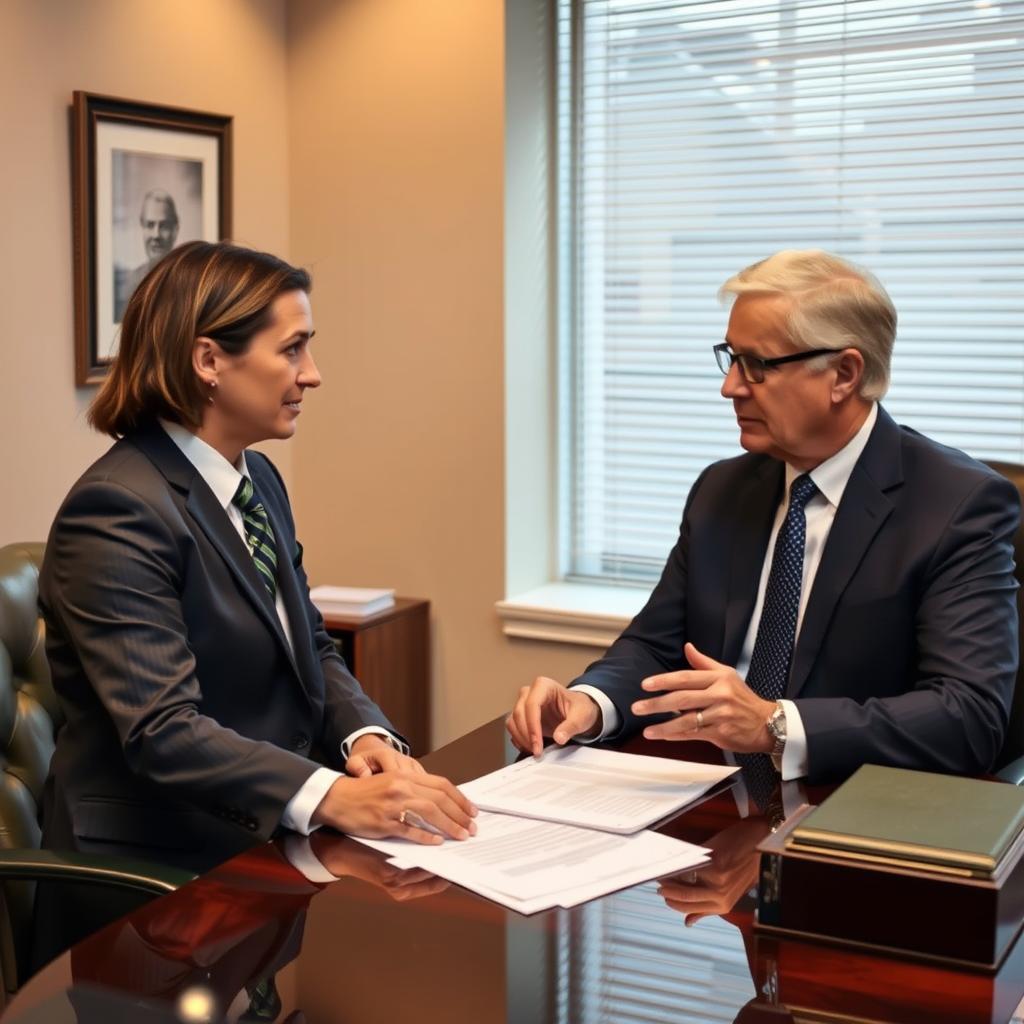
Probate Lawyer Capitol Hill
You need a Probate Lawyer Capitol Hill to manage the legal transfer of assets after a death. The process is handled by the District of Columbia Superior Court Probate Division. It involves filing petitions, inventorying assets, paying debts, and distributing property to heirs. Law Offices Of SRIS, P.C. —Advocacy Without Borders. (Confirmed by SRIS, P.C.)
Statutory Definition of Probate in the District of Columbia
Probate in the District of Columbia is governed by Title 20 of the D.C. Code, specifically the Probate Reform Act of 1980. The core legal process is the formal administration of a deceased person’s estate through the court. This process validates a will, appoints a personal representative, and oversees the distribution of assets. The goal is to settle debts and transfer property to rightful beneficiaries under court supervision. A Probate Lawyer Capitol Hill handles these statutory requirements.
The D.C. Code establishes the framework for both testate and intestate succession. Testate succession occurs when a valid will exists. Intestate succession applies when there is no will. The statutes dictate the order of heirs and the powers of the personal representative. Understanding these codes is critical for any estate administration after death lawyer Capitol Hill. The laws determine who inherits and how creditors are paid.
What assets go through probate in Capitol Hill?
Probate assets in Capitol Hill typically include solely-owned real estate, bank accounts, and personal property. Assets held in joint tenancy or with designated beneficiaries usually bypass probate. Retirement accounts and life insurance policies with a beneficiary also avoid the process. A probate court process lawyer Capitol Hill can identify which assets require court involvement. This assessment is a first step in estate administration.
How long does the probate process take in D.C.?
A standard probate case in D.C. can take between nine months to two years. The timeline depends on estate complexity, creditor claims, and potential disputes. Smaller, uncontested estates may conclude more quickly. Larger estates with real property or family conflicts take longer. A probate lawyer manages this timeline and keeps the process moving.
What are the primary duties of a personal representative?
The personal representative must locate the will, file it with the court, and inventory all estate assets. They must notify creditors, pay valid debts and taxes, and manage property. Finally, they distribute remaining assets to heirs and file a final accounting. This role carries significant legal and fiduciary duties. Guidance from a probate attorney is essential.
The Insider Procedural Edge for Capitol Hill Probate
Probate cases for Capitol Hill residents are filed at the D.C. Superior Court Probate Division at 500 Indiana Avenue NW, Washington, DC 20001. The court requires specific forms to initiate the process. You must file a Petition for Probate and the original will, if one exists. A death certificate is mandatory. Filing fees are required and vary based on the estate’s value. Procedural specifics for Capitol Hill are reviewed during a Consultation by appointment at our Capitol Hill Location.
The court assigns a case number and a judge or magistrate to oversee proceedings. Hearings may be scheduled to appoint the personal representative. The personal representative must then obtain Letters of Administration or Testamentary. These documents grant legal authority to act on the estate’s behalf. A probate court process lawyer Capitol Hill handles these filings and appearances. They ensure compliance with all local rules and deadlines.
The legal process in Capitol Hill follows specific procedural requirements that affect case timelines and outcomes. Courts in this jurisdiction apply local rules that may differ from neighboring areas. An attorney familiar with Capitol Hill court procedures can identify procedural advantages relevant to your situation.
What is the first document filed in a D.C. probate case?
The first document is typically the Petition for Probate or for Administration. This form requests the court to open the estate and appoint a personal representative. It must include details about the decedent, the will, and the proposed representative. Filing this petition officially starts the probate court process. An attorney ensures it is completed correctly.
Where do I file probate documents for a Capitol Hill estate?
All probate documents are filed at the D.C. Superior Court Probate Division clerk’s Location. The address is 500 Indiana Avenue NW, Washington, DC. Filing can be done in person or by mail. Electronic filing may be available for certain documents. A local lawyer knows the most efficient filing methods.
Penalties & Defense Strategies in Probate Administration
The most common penalty in probate is personal liability for the personal representative for mismanagement. Errors can lead to surcharges, removal from the role, and lawsuits from beneficiaries. The court holds the personal representative to a high standard of care. A Probate Lawyer Capitol Hill protects against these risks. They provide the defense strategy of careful record-keeping and strict adherence to fiduciary duty.
Virginia law establishes specific statutory frameworks that govern these matters. Each case involves unique factual circumstances that require careful legal analysis. SRIS, P.C. attorneys evaluate every relevant factor when developing case strategy for clients in Capitol Hill.
| Offense / Issue | Penalty / Consequence | Notes |
|---|---|---|
| Failure to File Inventory | Contempt of Court; Removal | Court can impose fines or revoke letters. |
| Mismanagement of Assets | Personal Financial Liability (Surcharge) | Representative must pay for losses from personal funds. |
| Conflict of Interest | Removal; Potential Disgorgement of Fees | Self-dealing is strictly prohibited. |
| Missing Tax Deadlines | IRS Penalties & Interest | Estate is liable; representative can be personally liable if negligent. |
| Improper Distribution | Lawsuit from Beneficiaries | Can lead to civil liability for the wrong amount. |
[Insider Insight] The D.C. Probate Division auditors scrutinize final accountings closely. They look for unsupported expenses, improper fees, and deviations from the will or law. Local practice requires detailed receipts and clear documentation for every transaction. An estate administration after death lawyer Capitol Hill anticipates this review. They prepare accountings that withstand audit.
How can a personal representative avoid personal liability?
A personal representative avoids liability by obtaining a bond, keeping impeccable records, and getting court approval for major actions. They must communicate regularly with beneficiaries and hire professionals for tax and legal matters. Following the advice of a probate lawyer is the strongest defense. This creates a paper trail of prudent decision-making.
What happens if a will is contested in Capitol Hill?
A will contest pauses the entire probate process. The court will hold evidentiary hearings on the challenge’s validity. Common grounds include lack of capacity, undue influence, or improper execution. Litigation can significantly delay distributions and increase costs. An attorney defends the will or handles the contest for affected parties.
Court procedures in Capitol Hill require proper documentation and adherence to filing deadlines. Missing a deadline or submitting incomplete filings can negatively impact case outcomes. Working with an attorney who handles cases in Capitol Hill courts regularly ensures that procedural requirements are met correctly and on time.
Why Hire SRIS, P.C. for Capitol Hill Probate Matters
Our lead probate attorney is a seasoned practitioner with over fifteen years of experience in D.C. fiduciary law. This attorney has guided hundreds of personal representatives through the Probate Division. They understand the court’s specific procedural preferences and auditing standards. SRIS, P.C. has a dedicated team for estate administration after death lawyer Capitol Hill clients need. We provide direct, strategic counsel.
SRIS, P.C. has handled numerous probate cases in the District of Columbia. Our team manages the full scope of administration, from initial filing to final discharge. We prepare inventories, accountings, and tax returns. We represent clients in contested matters and guardianship links. Our Capitol Hill Location offers accessible support for local residents. You work with attorneys who know the court personnel and local rules.
The timeline for resolving legal matters in Capitol Hill depends on multiple factors including case type, court scheduling, and the positions of all parties involved. SRIS, P.C. keeps clients informed throughout the process and works to move cases forward as efficiently as possible.
Our approach is practical and results-oriented. We explain the process in clear terms without legal jargon. We set realistic expectations for timelines and costs. We identify potential problems early, like creditor issues or family disputes. We then develop a plan to address them efficiently. For estate planning and probate guidance, our team provides continuity of service.
Localized FAQs for Probate in Capitol Hill
Who can serve as a personal representative in D.C.?
Any competent adult named in the will or a close heir can serve. Non-residents can serve but may face additional requirements. The court must formally appoint them. An executor or administrator has the same duties.
Is probate always required after a death in Capitol Hill?
No, probate is not always required. Small estates under a certain value or assets with designated transfer-on-death provisions may avoid it. A lawyer can review the assets to determine if probate is necessary for your situation.
How are probate attorneys paid in the District of Columbia?
Attorneys are typically paid from the estate assets, not the personal representative’s personal funds. Fees can be hourly or a statutory percentage of the estate, subject to court approval. The payment structure is discussed during the initial consultation.
Financial implications are often a significant concern in legal proceedings. Virginia courts consider relevant financial factors when making determinations. Proper preparation of financial documentation strengthens your position and supports favorable outcomes in Capitol Hill courts.
What is the difference between probate and estate administration?
Probate is the court-supervised process to prove a will’s validity. Estate administration is the broader work of managing and distributing the assets. All probate includes administration, but not all administration requires formal probate.
Can I sell a house during the probate process in D.C.?
Yes, but you usually need court approval before listing the property. The personal representative files a petition to sell real estate. The court order authorizes the sale, and proceeds become part of the estate for distribution.
Proximity, CTA & Disclaimer
Our Capitol Hill Location is strategically positioned to serve clients in the District of Columbia. We are accessible for meetings regarding probate and estate administration matters. Consultation by appointment. Call 24/7. For dedicated legal defense support in other matters, our firm provides broad representation. Our team includes experienced litigators across practice areas. The Law Offices Of SRIS, P.C. serves clients from our nation’s capital. SRIS, P.C.—Advocacy Without Borders.
Phone: [PHONE NUMBER FROM GMB]
Address: [CAPITOL HILL LOCATION ADDRESS FROM GMB]
Past results do not predict future outcomes.