
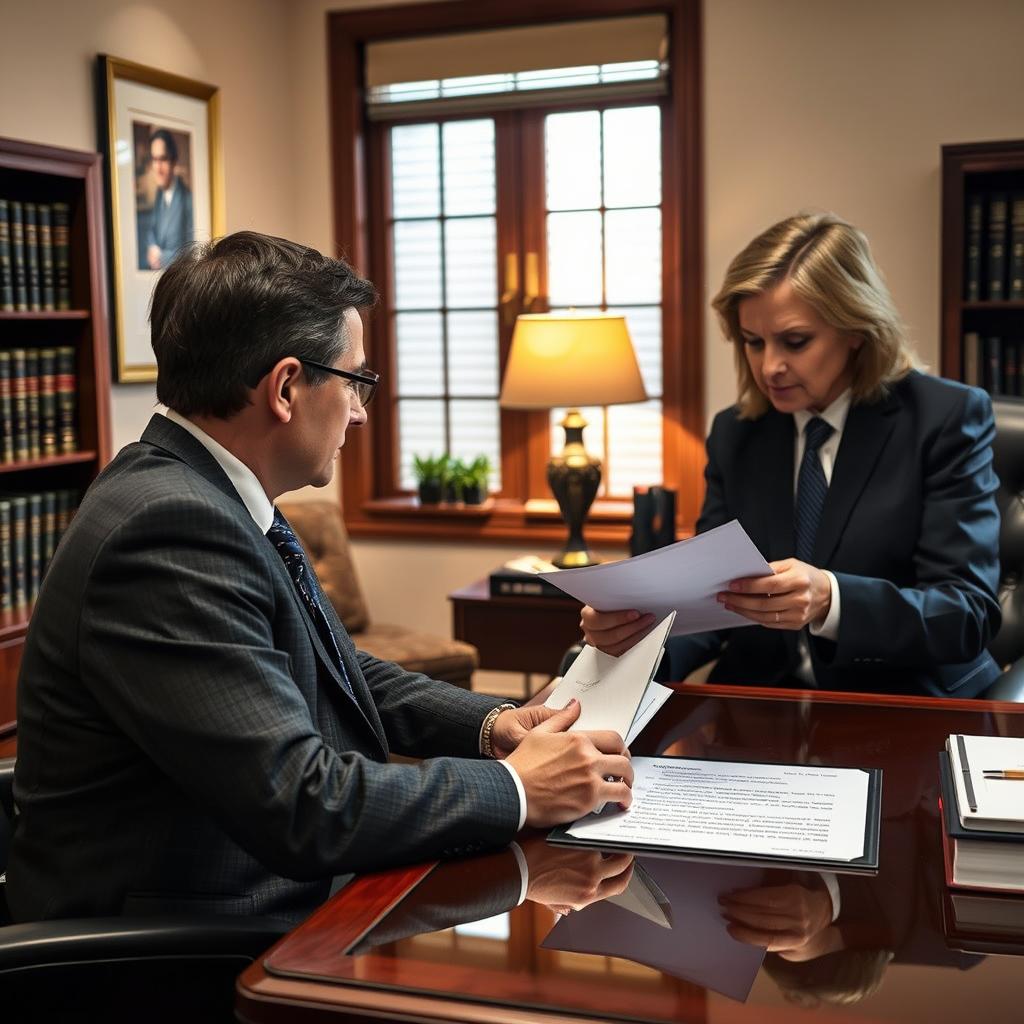
Revocable Trust Lawyer Georgetown
A Revocable Trust Lawyer Georgetown provides legal counsel for creating and managing a revocable living trust in the District of Columbia. Law Offices Of SRIS, P.C.—Advocacy Without Borders. handles estate planning matters for Georgetown residents. This legal instrument allows you to control assets during your lifetime and avoid probate. Our attorneys draft precise documents that reflect your specific wishes. (Confirmed by SRIS, P.C.)
Statutory Definition of a Revocable Trust in DC
A revocable trust in Washington, DC, is governed by the District of Columbia Uniform Trust Code, primarily under D.C. Code § 19-1304.01. This statute defines a trust as a fiduciary relationship with property held by a trustee for a beneficiary’s benefit. The “revocable” nature means the settlor retains the power to alter, amend, or terminate the trust during their lifetime. This legal structure is a cornerstone of modern estate planning in Georgetown. It provides a flexible mechanism for managing assets outside of the probate process. The code establishes the formal requirements for creating a valid trust instrument.
The trust must clearly express the settlor’s intent to create a trust relationship. It must designate identifiable trust property and name definite beneficiaries. A trustee must be appointed to hold legal title and administer the assets. The District of Columbia Uniform Trust Code provides the default rules for administration. These rules apply unless the trust document explicitly states otherwise. Georgetown residents use these trusts to maintain privacy and control. Probate avoidance is a primary objective for many clients in the District.
What legal authority controls revocable trusts in Georgetown?
The District of Columbia Uniform Trust Code (D.C. Code Title 19, Chapter 13) is the controlling legal authority. This thorough statute outlines the creation, modification, and termination of trusts. It defines the duties and powers of trustees in Georgetown. The code also governs the rights of beneficiaries under DC law. Local court rulings interpret these statutes for specific situations.
Who are the key parties in a DC revocable trust?
The settlor (or grantor) is the person who creates and funds the trust. The trustee manages the trust assets according to the document’s terms. The beneficiary receives benefits from the trust assets during the settlor’s life or after death. In Georgetown, one person can often serve in multiple roles, such as settlor and initial trustee.
How does a revocable trust avoid probate in DC?
Assets titled in the trust’s name are not part of the settlor’s probate estate. Upon death, the successor trustee distributes assets per the trust agreement. This bypasses the DC Superior Court probate division entirely. The process is private and typically faster than formal probate administration. It avoids the public filing of a will and inventory in Georgetown.
The Insider Procedural Edge for Georgetown Trusts
The DC Superior Court Probate Division at 500 Indiana Avenue NW, Washington, DC 20001, handles any contested trust matters. Procedural specifics for Georgetown are reviewed during a Consultation by appointment at our Georgetown Location. The court oversees disputes regarding trust validity, interpretation, or trustee actions. Filing fees for probate or trust-related petitions vary based on the estate’s value. Timelines for trust administration are generally set by the trust document itself. A properly drafted and funded trust avoids court involvement altogether. This is the key procedural advantage for Georgetown families. Learn more about Virginia legal services.
Trust administration is a non-court process when all parties agree. The successor trustee follows the instructions in the trust instrument. They manage and distribute assets without seeking court approval. This saves significant time and expense for Georgetown beneficiaries. If a dispute arises, parties may file a petition with the Probate Division. The court can provide instructions or resolve conflicts between beneficiaries. Knowing local court temperament is crucial for any litigation. Our attorneys understand the preferences of DC probate judges.
What is the primary court for trust disputes in DC?
The DC Superior Court, Probate Division, has exclusive jurisdiction over trust matters. This court is located in the District of Columbia Courthouse. It hears petitions to construe trust terms or remove trustees. Georgetown residents would file any necessary legal actions at this venue.
What are the typical steps to fund a revocable trust?
Funding involves changing legal title of assets from individual name to the trust’s name. Real estate requires a new deed recorded with the DC Recorder of Deeds. Bank and investment accounts must be re-titled by the financial institution. This critical step is often overlooked by individuals without a lawyer.
How long does trust administration take after death in Georgetown?
Administration timelines depend on the trust’s complexity and asset types. Simple trusts with cooperative beneficiaries can be settled in a few months. Trusts with real estate or business interests may take a year or more. The absence of court supervision often speeds up the process significantly.
Penalties & Defense Strategies for Trust Issues
The most common penalty for trust errors is financial loss due to mismanagement or litigation. Trustees in Georgetown have a strict fiduciary duty under DC law. Breaching this duty can lead to personal liability. Beneficiaries can sue for damages or for the trustee’s removal. The court may order the trustee to repay the trust for any losses. Legal defense focuses on demonstrating adherence to the trust terms and prudent investor rules. Learn more about criminal defense representation.
| Offense / Issue | Penalty / Consequence | Notes |
|---|---|---|
| Trustee Breach of Fiduciary Duty | Personal liability for losses; Removal from Location; Surcharge | D.C. Code § 19-1308.01 defines the duty of loyalty and care. |
| Failure to Provide Accountings | Court order to account; Potential sanctions | Beneficiaries have a right to information under D.C. Code § 19-1308.13. |
| Improper Trust Modification or Termination | Action to set aside modification; Reinstatement of original terms | Requires compliance with statutory procedures or unanimous consent. |
| Contesting Trust Validity | Costs of litigation; Delay in distributions | Grounds include lack of capacity, undue influence, or fraud. |
[Insider Insight] DC probate judges expect careful record-keeping from trustees. They favor clear trust language that reflects the settlor’s intent. Disputes often arise from ambiguous distribution instructions. Early legal intervention can prevent costly Georgetown court battles. A well-drafted trust is the first and best line of defense.
What happens if a trustee mismanages trust assets?
The trustee can be held personally liable for any resulting financial loss. Georgetown beneficiaries can petition the court for the trustee’s removal. The court may order the trustee to repay the trust with interest. Legal defense requires showing actions were reasonable and in good faith.
Can a beneficiary sue to remove a trustee in DC?
Yes, under D.C. Code § 19-1307.06, a beneficiary can petition for removal. Grounds include breach of trust, unfitness, or persistent failure to administer. The court will consider the best interests of the trust beneficiaries. Having a Revocable Trust Lawyer Georgetown guide this process is critical.
What are the tax implications of a DC revocable trust?
For income tax, a revocable trust is a “grantor trust” during the settlor’s life. All income is reported on the settlor’s personal IRS Form 1040. For estate tax, the trust assets are included in the settlor’s gross estate. Proper planning can help minimize District of Columbia estate tax exposure.
Why Hire SRIS, P.C. for Your Georgetown Trust
Our lead trust attorney has over fifteen years of focused estate planning experience in the District of Columbia. SRIS, P.C. has successfully established numerous revocable trusts for Georgetown clients. We understand the specific needs of families in this historic community. Our attorneys draft precise documents that anticipate potential disputes. We ensure your assets are properly titled to avoid probate complications. Learn more about DUI defense services.
Lead Trust Attorney: The attorney handling trust matters in Georgetown has extensive knowledge of the DC Uniform Trust Code. This attorney guides clients through the entire planning and funding process. They provide clear explanations of trustee duties and beneficiary rights. Their goal is to create a smooth plan for asset management and distribution.
We differentiate ourselves by providing direct access to your attorney. You will work with the same lawyer from initial consultation to final signing. Our Georgetown Location allows for convenient in-person meetings. We draft custom documents, not generic templates. Our approach prevents future legal problems for your family. We coordinate with your financial advisor and accountant as needed. This holistic service protects your legacy in Washington, DC.
Localized FAQs for Georgetown Trust Planning
What does a revocable trust lawyer in Georgetown do?
A Revocable Trust Lawyer Georgetown drafts the legal trust document. They advise on selecting trustees and structuring distributions. The lawyer ensures the trust complies with all District of Columbia laws. They guide the client through the process of funding the trust with assets.
Why would a Georgetown resident need a revocable trust?
Georgetown residents use trusts to avoid the DC probate process. Trusts provide privacy since they are not public records. They allow for management of assets if you become incapacitated. Trusts can also plan for blended families or beneficiaries with special needs.
How much does a revocable trust cost in Washington, DC?
Legal fees for a revocable trust depend on the plan’s complexity. Simple individual trusts have a different cost than complex family plans. Fees are typically a flat rate for drafting the foundational documents. SRIS, P.C. provides a clear fee agreement during your initial consultation. Learn more about our experienced legal team.
What is the difference between a will and a revocable trust in DC?
A will only takes effect after death and must go through probate court. A revocable trust is effective immediately upon funding and avoids probate. A will controls only assets in your individual name at death. A trust controls assets formally transferred into the trust during your life.
Can I be my own trustee for a revocable trust in Georgetown?
Yes, most people name themselves as the initial trustee of their revocable trust. You maintain full control to manage, buy, or sell trust assets. You must name a successor trustee to take over if you become incapacitated or die. This is a standard provision in DC revocable living trusts.
Proximity, CTA & Disclaimer
Our Georgetown Location serves clients throughout the District of Columbia. We are accessible for residents of this historic Washington, DC neighborhood. Procedural specifics for Georgetown are reviewed during a Consultation by appointment. Call our team 24/7 to discuss your revocable trust needs. Our phone number is [PHONE NUMBER]. We offer clear legal guidance for your estate planning. Contact SRIS, P.C. for dedicated representation.
Law Offices Of SRIS, P.C.—Advocacy Without Borders.
[Firm Address]
[Phone Number]
Consultation by appointment. Call [PHONE NUMBER]. 24/7.
Past results do not predict future outcomes.