
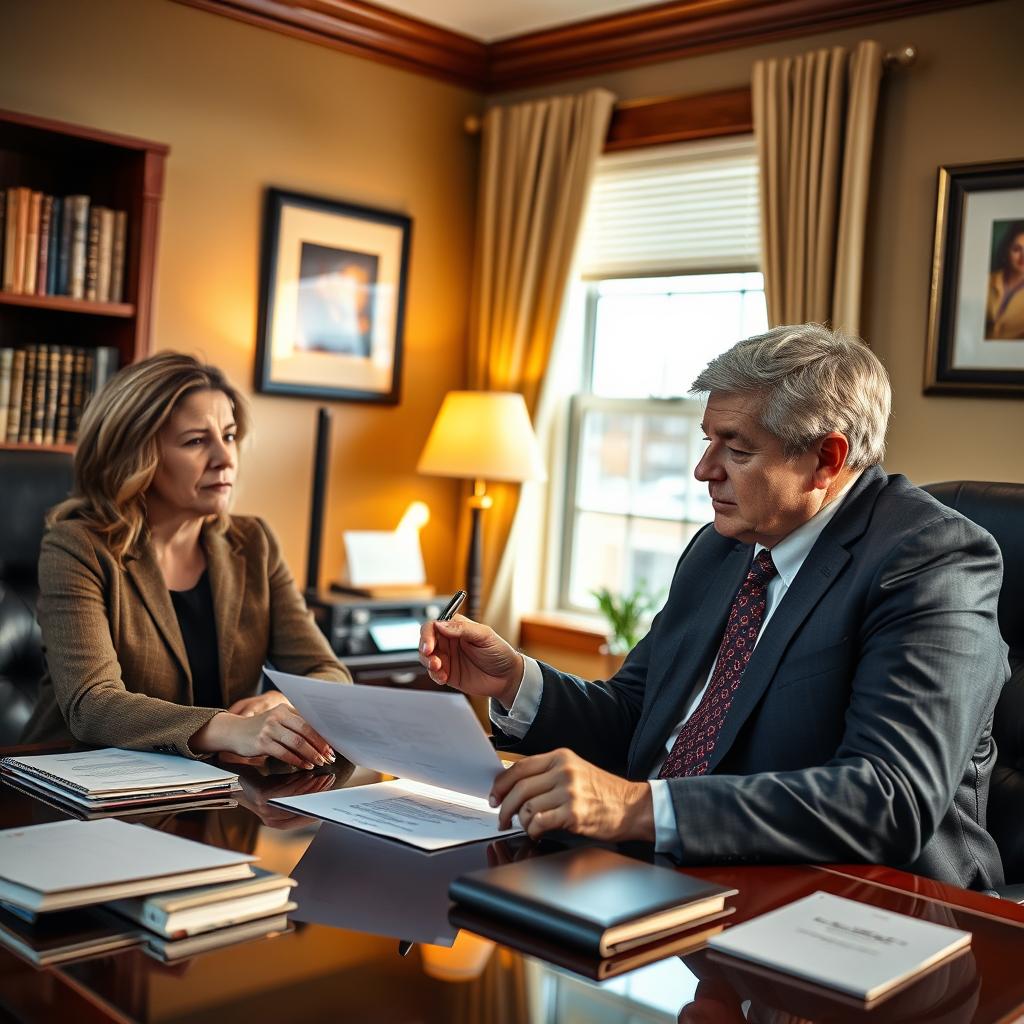
Trust & Estate Lawyer in Niagara County, NY
In Niagara County, wills are probated through the Surrogate’s Court, where executors are appointed and citations are issued to interested parties.
New York Trust & Estate Law
New York trust and estate matters are governed by the Estates, Powers and Trusts Law (EPTL) and the Surrogate’s Court Procedure Act (SCPA). These statutes outline the procedures for probate, estate administration, fiduciary duties, and estate taxation. The New York estate tax, under Tax Law § 951 et seq., applies a graduated rate from 3.06% to 16% on taxable estates exceeding the exemption amount.
Last verified: March 2026 | Niagara County Surrogate’s Court | New York State Legislature
Official Legal Resources
Niagara County Estate Procedures
Wills are probated through the Niagara County Surrogate’s Court. The court appoints an executor or administrator, issues citations to heirs and creditors, and oversees the inventory and accounting process. Trust administration follows the terms of the trust instrument and EPTL provisions.
- File the original will and a petition for probate with the Niagara County Surrogate’s Court.
- The court appoints an executor (if named in will) or administrator (if no will) to manage the estate.
- The court issues citations to all heirs, beneficiaries, and creditors, giving them notice of the proceedings.
- Prepare and file an inventory of estate assets with the court, followed by periodic accountings as required.
- Pay valid creditor claims and file any required federal and New York estate tax returns.
- After court approval, distribute the remaining assets to the beneficiaries according to the will or intestacy laws.
Penalties and Consequences
In Niagara County, breaches of fiduciary duty in estate administration can result in surcharges (monetary penalties), removal of the fiduciary, and personal liability for estate losses.
| Issue | Classification | Potential Consequences | Financial Impact |
|---|---|---|---|
| Will Contest | Surrogate’s Court Proceeding | Estate frozen during litigation | Legal fees, delayed distributions |
| Breach of Fiduciary Duty | SCPA § 711 | Surcharge, removal, personal liability | Payment of estate losses + penalties |
| NY Estate Tax Non-Filing | Tax Law § 951 et seq. | Penalties, interest, tax on full estate | 3.06% – 16% of taxable estate + penalties |
Results may vary. The outcomes described are not guarantees of any specific result in your case.
Firm Credentials
Law Offices Of SRIS, P.C. was founded in 1997 by former prosecutor Mr. Sris. The firm brings combined legal experience to trust and estate matters. Our approach is case-specific, focusing on the precise details of New York estate law and Niagara County Surrogate’s Court procedures.
Frequently Asked Questions
What is the New York estate tax exemption for 2026?
The New York estate tax exemption is $7.35 million for 2026. However, New York has a ‘cliff effect’ where estates exceeding 105% of the exemption are taxed on the entire value, not just the excess.
How long does probate take in Niagara County Surrogate’s Court?
Probate typically takes 12 to 24 months in Niagara County. A small estate affidavit can expedite the process for estates valued under $50,000.
What are the executor commission rates in New York?
Executor commissions in New York are statutory and calculated based on the estate value under SCPA § 2307. The rate is graduated, starting at 5% on the first $100,000.
When is a New York estate tax return due?
A New York estate tax return is due 9 months after the date of death. Extensions may be available under certain circumstances.
What happens during a will contest in Surrogate’s Court?
During a will contest, the estate is typically frozen. The Surrogate’s Court will issue citations to interested parties and hold hearings to determine the validity of the will.
Local Representation in Niagara County
Our New York location serves clients at Niagara County courts. We represent individuals and families throughout the region, including Lockport, Niagara Falls, North Tonawanda, Lewiston, Sanborn, Newfane, Cambria, Ransomville, Wilson, and Youngstown.
24/7 phone consultations — (888) 437-7747 — meetings by appointment only.
Law Offices Of SRIS, P.C.
New York Location — Buffalo/NY area
By appointment only.
Related Legal Resources
- New York Trust & Estate Lawyer – State hub page.
- Albany County Trust & Estate Lawyer – Serving a nearby locality.
- Niagara County Business Lawyer – Related practice area in the same locality.
- Mr. Sris Attorney Profile
Last verified: March 2026. Information is current as of this date. Laws change — contact Law Offices Of SRIS, P.C. at (888) 437-7747 for current guidance.