
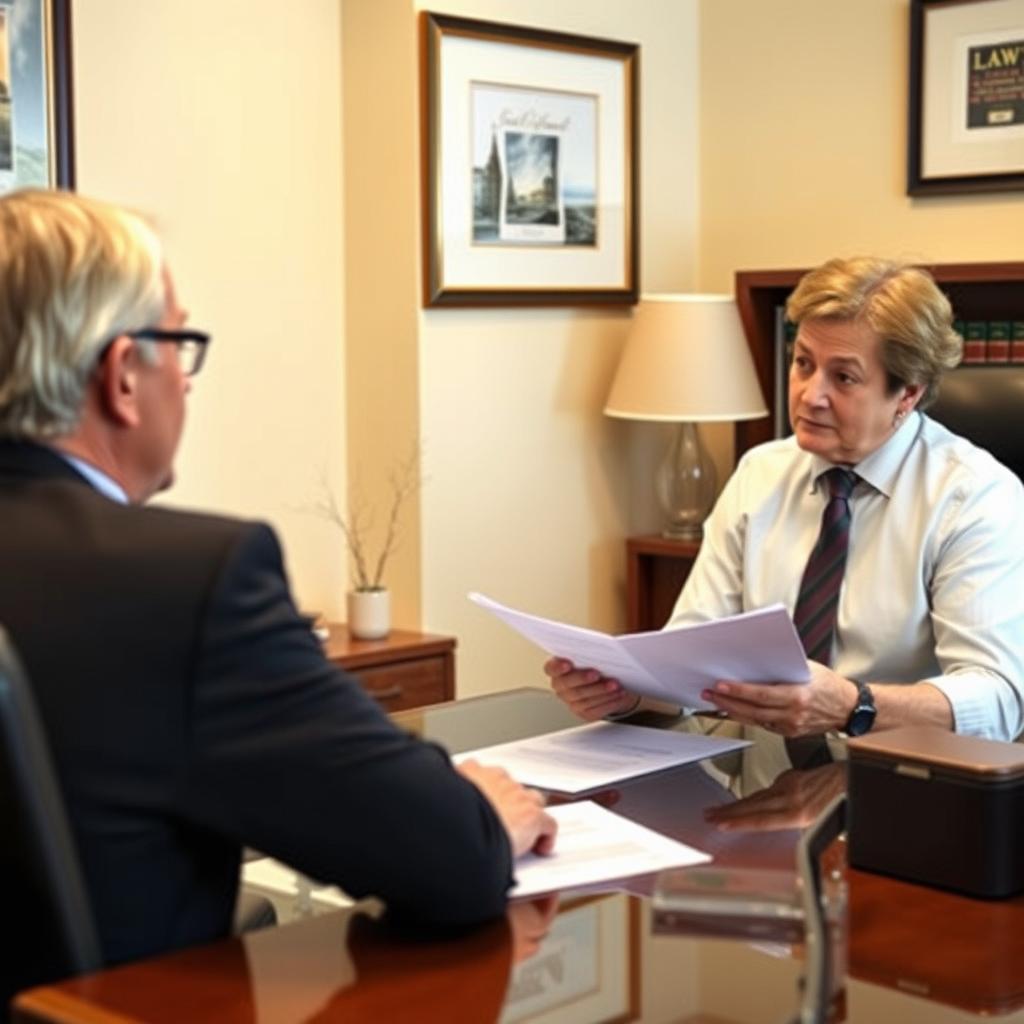
Special Needs Trust Lawyer Falls Church
A Special Needs Trust Lawyer Falls Church helps protect public benefits for a disabled individual. Law Offices Of SRIS, P.C. —Advocacy Without Borders. These trusts preserve eligibility for SSI and Medicaid. A supplemental needs trust lawyer Falls Church drafts legally sound documents. A disability trust planning lawyer Falls Church ensures assets supplement, not replace, government aid. Proper planning prevents benefit disqualification. (Confirmed by SRIS, P.C.)
Statutory Definition of Special Needs Trusts in Virginia
Virginia law authorizes special needs trusts under specific statutory frameworks. The primary Virginia Code sections are § 64.2-779 through § 64.2-779.9, governing discretionary trusts for beneficiaries with disabilities. These statutes allow a trustee to manage assets for a disabled person’s supplemental needs. The trust must not be considered a countable resource for means-tested benefits. Federal law, specifically 42 U.S.C. § 1396p(d)(4)(A), provides the foundational safe harbor for first-party trusts. Virginia’s statutes align with these federal provisions to protect benefit eligibility.
A Special Needs Trust Lawyer Falls Church uses these statutes to create enforceable plans. The Virginia Uniform Trust Code provides the administrative rules. The key is ensuring the trust is purely discretionary. The trustee must have absolute discretion over distributions. This prevents the assets from being deemed available to the beneficiary. Virginia law recognizes self-settled and third-party special needs trusts. Each type has distinct creation rules and tax implications. A supplemental needs trust lawyer Falls Church must handle both state and federal law.
What is the difference between a first-party and third-party special needs trust?
A first-party trust is funded with the disabled beneficiary’s own assets. This often comes from an inheritance, lawsuit settlement, or direct gift. It requires a payback provision to the state Medicaid program. A third-party trust is funded by someone else, like a parent. It does not require a Medicaid payback provision. A disability trust planning lawyer Falls Church determines which trust type is appropriate.
Who can establish a special needs trust in Virginia?
A parent, grandparent, legal guardian, or court can establish a third-party trust. The beneficiary, a parent, grandparent, guardian, or court can establish a first-party trust. The court must approve first-party trusts if the beneficiary has legal capacity. A Special Needs Trust Lawyer Falls Church files the necessary petitions with the local court.
What are the core requirements for a valid Virginia special needs trust?
The trust must be irrevocable and contain specific discretionary language. The trustee must have sole discretion over all distributions. The trust must be for the sole benefit of the disabled individual. It must state its purpose is to supplement, not supplant, government benefits. A supplemental needs trust lawyer Falls Church drafts these precise terms to meet Virginia law.
The Insider Procedural Edge for Falls Church Trusts
The Falls Church Circuit Court handles trust establishment and oversight at 200 N. Spring Street, Falls Church, VA 22046. Procedural specifics for Falls Church are reviewed during a Consultation by appointment at our Falls Church Location. The court requires a formal petition to establish a first-party trust. The petition must include a doctor’s affidavit confirming the disability. The court clerk’s filing fee for a trust petition is typically $89. The timeline for court approval can range from several weeks to a few months.
Local probate judges scrutinize the trust’s conformity with Virginia Code. They ensure the trust document includes the mandatory payback clause for first-party trusts. The court appoints a guardian ad litem to represent the beneficiary’s interests. The guardian ad litem reviews the petition and files a report. A disability trust planning lawyer Falls Church manages this entire court process. Efficient filing with complete documentation avoids unnecessary delays. The court’s primary concern is protecting the vulnerable beneficiary.
What is the typical timeline for court approval of a special needs trust?
Court approval in Falls Church typically takes four to eight weeks. The timeline depends on the court’s docket and completeness of the filing. Scheduling the guardian ad litem review can add time. A Special Needs Trust Lawyer Falls Church can expedite the process with proper preparation.
What documents are required to file a petition with the Falls Church Circuit Court?
You need the original petition, the proposed trust agreement, and a certified medical affidavit. A certified copy of the birth certificate or guardianship order is also required. The petition must state the source of funds and the beneficiary’s public benefits. A supplemental needs trust lawyer Falls Church gathers and prepares all necessary documents.
Penalties of Poor Planning & Defense Strategies
The most common penalty for trust errors is the complete loss of SSI and Medicaid benefits. A poorly drafted trust can cause immediate benefit disqualification. The state may also seek reimbursement for incorrectly paid benefits. The table below outlines specific consequences.
| Offense | Penalty | Notes |
|---|---|---|
| Trust deemed a countable resource | Loss of SSI/Medicaid eligibility | Benefits stop until assets are spent down |
| Improper distributions | Overpayment demands from state agencies | Can total tens of thousands of dollars |
| Missing payback provision | First-party trust is invalid | Federal safe harbor is lost |
| Failure to file tax returns | IRS penalties and interest | Trust is a separate tax entity |
[Insider Insight] The Virginia Department of Social Services aggressively reviews trust distributions. They audit for any direct cash payments for food or shelter. Local prosecutors in Fairfax County pursue overpayment recovery cases. A proactive defense involves annual trust administration reviews. A disability trust planning lawyer Falls Church audits distributions to prevent violations.
How can a special needs trust affect Supplemental Security Income (SSI)?
An improperly structured trust will count as an asset and terminate SSI benefits. SSI has a strict $2,000 resource limit for an individual. The trust principal must not be accessible to the beneficiary. Distributions for food or shelter are considered in-kind support and maintenance. This reduces the SSI cash benefit dollar-for-dollar. A Special Needs Trust Lawyer Falls Church structures distributions to avoid this reduction.
What happens if the trust makes a mistake with a distribution?
The beneficiary must report the distribution to the Social Security Administration. It will likely result in an overpayment notice. The trustee may need to repay the agency from trust assets. Consistent mistakes can lead to the trustee’s removal by the court. A supplemental needs trust lawyer Falls Church guides trustees on permissible expenses.
Why Hire SRIS, P.C. for Your Falls Church Special Needs Trust
Our lead trust attorney is a Virginia State Bar Certified Trusts and Estates practitioner.
SRIS, P.C. has a Location in Falls Church to serve you locally. Our firm has managed numerous complex trust cases in Falls Church Circuit Court. We understand the local judges’ preferences for trust language and reporting. Our approach combines precise document drafting with long-term administrative support. We prepare trustees for their ongoing duties to prevent legal issues. You need an attorney who knows the law and the local court.
We provide more than just a document. We offer a full plan for lifelong benefit protection. Our team coordinates with care managers and financial planners. We ensure your loved one’s quality of life is maintained. Our experienced legal team is committed to this practice area. We stay current on changes to federal benefits law and Virginia statutes. This vigilance protects your family’s plan from future legal challenges. Choose a firm with a proven record in Northern Virginia.
Localized FAQs for Falls Church Special Needs Trusts
Can a special needs trust own a home in Falls Church?
Yes, a special needs trust can own a home in Falls Church. The home must be the primary residence of the disabled beneficiary. Ownership by the trust prevents it from being a countable asset. The trust can pay for mortgage, taxes, insurance, and repairs.
Who should be the trustee of a Virginia special needs trust?
A corporate trustee or a financially savvy, disinterested individual is often best. Family members can serve but face complex rules. Many families choose a professional trustee to avoid distribution errors. SRIS, P.C. can refer you to qualified corporate fiduciaries in Virginia.
How does a special needs trust affect Medicaid in Virginia?
A properly drafted trust does not affect Medicaid eligibility. The assets are not counted toward the program’s resource limits. The trust can pay for expenses not covered by Medicaid. This includes personal care, therapies, and recreational activities.
What is the “payback” provision in a first-party special needs trust?
Upon the beneficiary’s death, Virginia Medicaid must be reimbursed from remaining trust assets. This payback is for medical assistance paid during the beneficiary’s life. Any remaining funds after Medicaid reimbursement can go to other heirs. This provision is required by federal law under 42 U.S.C. § 1396p(d)(4)(A).
Can a special needs trust be changed or revoked?
Most special needs trusts are irrevocable and cannot be easily changed. A court may modify a trust under very limited circumstances, like a change in law. Third-party trusts can sometimes include a limited power of appointment. A disability trust planning lawyer Falls Church must draft the trust with future flexibility in mind.
Proximity, Call to Action & Disclaimer
Our Falls Church Location is strategically positioned to serve the City of Falls Church and surrounding Northern Virginia communities. We are conveniently located for clients in Arlington County and Fairfax County. Consultation by appointment. Call 703-636-5417. 24/7.
Law Offices Of SRIS, P.C.—Advocacy Without Borders.
Address: 6400 Arlington Blvd, Suite 730, Falls Church, VA 22042.
Phone: 703-636-5417.
For related legal support, consider our Virginia family law attorneys for guardianship matters. Our criminal defense representation may be needed if a beneficiary faces legal issues. We also provide DUI defense in Virginia.
Past results do not predict future outcomes.