
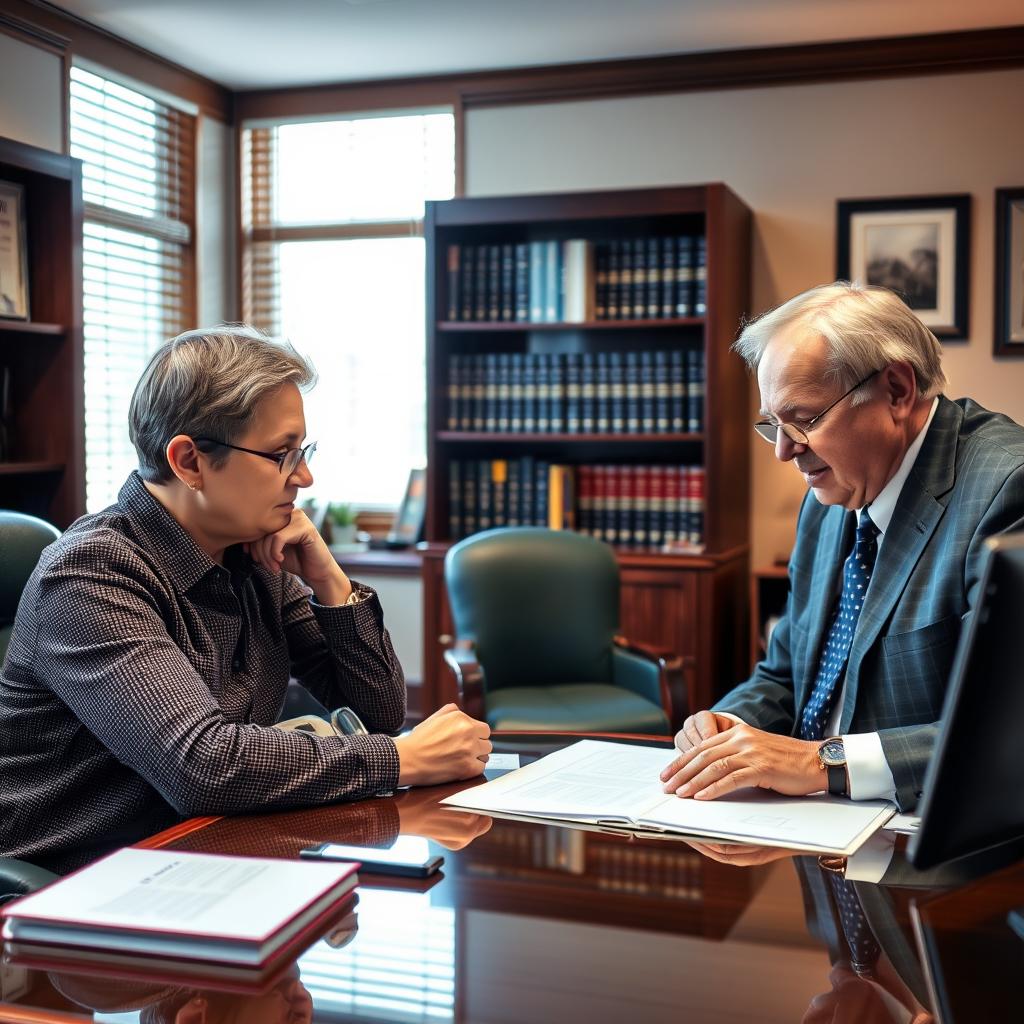
Special Needs Trust Lawyer Garrett County
A Special Needs Trust Lawyer Garrett County ensures a disabled person’s public benefits remain intact. Law Offices Of SRIS, P.C. —Advocacy Without Borders. drafts precise legal instruments under Maryland law. These trusts protect assets from counting against SSI or Medicaid limits. Proper planning requires knowledge of state statutes and federal benefit rules. A Garrett County attorney reviews your specific circumstances. (Confirmed by SRIS, P.C.)
Statutory Definition of Special Needs Trusts in Maryland
Maryland Estates and Trusts Code § 14.5-101 et seq. governs the creation and administration of special needs trusts in the state. This statutory framework authorizes self-settled and third-party trusts designed to supplement, not replace, government benefits. The primary legal risk is improper drafting causing disqualification from Supplemental Security Income (SSI) or Medicaid. A Garrett County lawyer must ensure the trust terms comply with 42 U.S.C. § 1396p(d)(4)(A) for first-party trusts. The court’s role is to approve petitions for establishment where required.
Maryland law provides specific pathways for creating these protective instruments. A third-party special needs trust is funded with assets from someone other than the beneficiary. A first-party or self-settled trust contains the disabled individual’s own assets. Federal law imposes strict rules on first-party trusts to maintain Medicaid eligibility. The trust must be established for a disabled individual under age 65. It must be irrevocable and name the state as remainder beneficiary for Medicaid reimbursement. A supplemental needs trust lawyer Garrett County applies these intersecting laws.
Legal drafting errors can trigger immediate benefit termination. Common mistakes include granting the beneficiary direct access to principal. Another error is allowing distributions for food or shelter without proper accounting. The trust must explicitly state its purpose is supplemental care. Distributions should not be made directly to the beneficiary in most cases. The trustee must have absolute discretion over all disbursements. An experienced disability trust planning lawyer Garrett County avoids these pitfalls.
What is the difference between a first-party and third-party special needs trust?
A first-party trust holds the disabled person’s own assets, often from an inheritance or lawsuit. This type of trust requires a payback provision to the state for Medicaid. A third-party trust is funded by family members like parents or grandparents. Third-party trusts do not require Medicaid payback upon the beneficiary’s death. The remaining assets can pass to other family members or charities. Choosing the correct trust type is a critical first legal step.
Who can establish a special needs trust in Garrett County?
A parent, grandparent, legal guardian, or court can establish a first-party trust for a disabled individual. The disabled individual can also establish their own trust if they have legal capacity. A third-party trust can be created by any family member or benefactor through their will or directly. The Circuit Court for Garrett County may need to approve certain trust creations. This is common when a minor or incapacitated adult is involved. Legal guidance ensures the establishing party has proper standing.
What are the key provisions required in a Maryland special needs trust?
The trust must explicitly state it is for supplemental needs beyond government assistance. It must prohibit distributions that would reduce or eliminate SSI or Medicaid eligibility. The trustee must have sole, absolute discretion over all distributions. The trust should include a clear statement of intent regarding public benefits. For first-party trusts, the Medicaid payback clause is a non-negotiable requirement. Proper drafting by a Special Needs Trust Lawyer Garrett County incorporates these mandates.
The Insider Procedural Edge in Garrett County
The Circuit Court for Garrett County at 203 South Fourth Street, Oakland, MD 21550 handles trust establishment petitions. Procedural specifics for Garrett County are reviewed during a Consultation by appointment at our Garrett County Location. Trust matters are filed in the equity division of the circuit court. The court requires a verified petition detailing the beneficiary’s disability and need. A certificate from a licensed physician attesting to the disability is typically required. Notice must be given to all interested parties as defined by Maryland rules.
The local procedural timeline can vary based on court docket scheduling. A petition for court approval of a trust may take several weeks to be heard. The filing fee for a civil petition in the Circuit Court is a required cost. Additional costs may include publication fees if notice by publication is necessary. The court may appoint a guardian ad litem to represent the beneficiary’s interests. Working with a local attorney familiar with the court’s preferences simplifies this process.
Garrett County courts prioritize the clear demonstration of the beneficiary’s best interests. Judges examine whether the trust is necessary to protect public benefits. They review the proposed trustee’s qualifications and the trust’s administrative provisions. The court ensures the petition complies with all Maryland statutory requirements. Local practice may involve specific forms or procedural steps unique to the county. A supplemental needs trust lawyer Garrett County handles these local requirements effectively.
Penalties & Defense Strategies for Trust Errors
The most common penalty for a defective trust is disqualification from SSI and Medicaid benefits. This can result in a loss of thousands of dollars in monthly support and medical coverage. The beneficiary may be forced to spend down trust assets to re-qualify. This defeats the entire purpose of the protective planning. Legal defense involves proactive drafting to avoid these catastrophic outcomes.
| Offense | Penalty | Notes |
|---|---|---|
| Improper Distributions | SSI benefit suspension, overpayment claims | Social Security Administration can seek repayment. |
| Missing Payback Clause | Medicaid disqualification, denial of services | Required for first-party trusts under federal law. |
| Incorrect Trustee Powers | Trust deemed countable resource | Beneficiary control over assets violates rules. |
| Failure to File Tax Returns | IRS penalties, trust accounting issues | Trusts are separate tax entities. |
[Insider Insight] Garrett County social services agencies closely review trust terms for Medicaid applicants. They scrutinize the source of funds and trustee discretion. Proactive engagement with caseworkers during the application process is advised. A well-drafted trust letter of intent can prevent misunderstandings. Local practitioners note that clear documentation prevents most challenges.
Defense strategy begins with careful drafting aligned with federal guidelines. The trust instrument must explicitly restrict distributions for food and shelter. It should grant the trustee absolute discretion without imposing support mandates. Regular trust accounting is essential to demonstrate compliance. The trustee must understand prohibited distributions that affect benefit calculations. Ongoing legal review ensures the trust adapts to changing benefit rules.
What happens if a special needs trust is drafted incorrectly?
The beneficiary loses eligibility for critical needs-based government benefits. They may incur debt to state agencies for benefits wrongly received. Correcting a flawed trust often requires a court petition for reformation. This is a costly and time-consuming legal process. The assets may become vulnerable to creditors or require immediate spend-down. Prevention through experienced drafting is the only reliable defense.
Can a special needs trust pay for housing or food?
Direct payments for rent, mortgage, or groceries reduce SSI benefits dollar-for-dollar. The trust can pay for other housing-related expenses like utilities or repairs. It can pay for food in specific settings like restaurants or special diets. The key is the payment must not be made directly to the beneficiary. Paying a third-party provider is generally the safe method. A disability trust planning lawyer Garrett County advises on permissible distributions.
How does a special needs trust affect inheritance or lawsuit settlements?
An inheritance left directly to a disabled person jeopardizes their public benefits. The inheritance should be directed to a pre-existing third-party trust. A personal injury settlement often must be placed into a first-party trust. This preserves the settlement funds while maintaining Medicaid eligibility. Court approval is typically required for creating a settlement trust. Proper planning directs assets into the correct protective vehicle.
Why Hire SRIS, P.C. for Your Garrett County Special Needs Trust
Our lead attorney for estate planning matters has over fifteen years of focused experience in protective instruments.
Attorney credentials include certification in elder law and special needs planning. This attorney has drafted hundreds of compliant special needs trusts. They have represented clients before the Garrett County Circuit Court. Their practice includes ongoing trustee guidance and administration support. They understand the interaction between Maryland law and federal benefit programs.
SRIS, P.C. has achieved specific results in Garrett County for families. Our firm’s approach combines precise legal drafting with practical benefit preservation. We work directly with financial planners and care managers. Our team explains complex rules in clear, actionable terms. We prepare families for the long-term administration of the trust. Our Garrett County Location provides accessible local service for Western Maryland residents.
Our differentiator is sustained advocacy throughout the beneficiary’s lifetime. We do not just draft a document and disappear. We advise trustees on annual distributions and tax filings. We help families handle changes in the beneficiary’s life or benefit laws. We coordinate with Virginia family law attorneys for multi-state issues. Our network includes criminal defense representation for overlapping legal challenges. We are part of our experienced legal team dedicated to complex planning.
Localized Garrett County Special Needs Trust FAQs
Where is the court for special needs trust matters in Garrett County?
The Circuit Court for Garrett County at 203 South Fourth Street, Oakland, handles these petitions. The equity division manages trust establishment and approval proceedings.
What government benefits are protected by a special needs trust?
Supplemental Security Income (SSI) and Medicaid are the primary protected benefits. Maryland Medicaid waivers and SNAP food assistance may also be preserved.
Who should be the trustee of a special needs trust?
A family member with financial acumen or a professional corporate trustee is common. The trustee must understand public benefit rules and exercise careful discretion.
Can a special needs trust own a home in Garrett County?
Yes, the trust can own a primary residence for the beneficiary’s use. This ownership does not count as a resource for SSI, but can affect Medicaid.
How much does it cost to create a special needs trust?
Legal fees vary based on trust complexity and whether court approval is needed. A Consultation by appointment provides a specific cost estimate for your situation.
Proximity, CTA & Disclaimer
Our Garrett County Location serves clients throughout Western Maryland. We are accessible to residents in Oakland, Mountain Lake Park, and Grantsville. Procedural specifics for Garrett County are reviewed during a Consultation by appointment. Call our dedicated line for Garrett County legal needs. Our team understands local court procedures and agency practices.
Consultation by appointment. Call 301-637-5392. 24/7.
Law Offices Of SRIS, P.C.
Advocacy Without Borders.
Garrett County Location
(Address details provided upon appointment confirmation)
Past results do not predict future outcomes.