
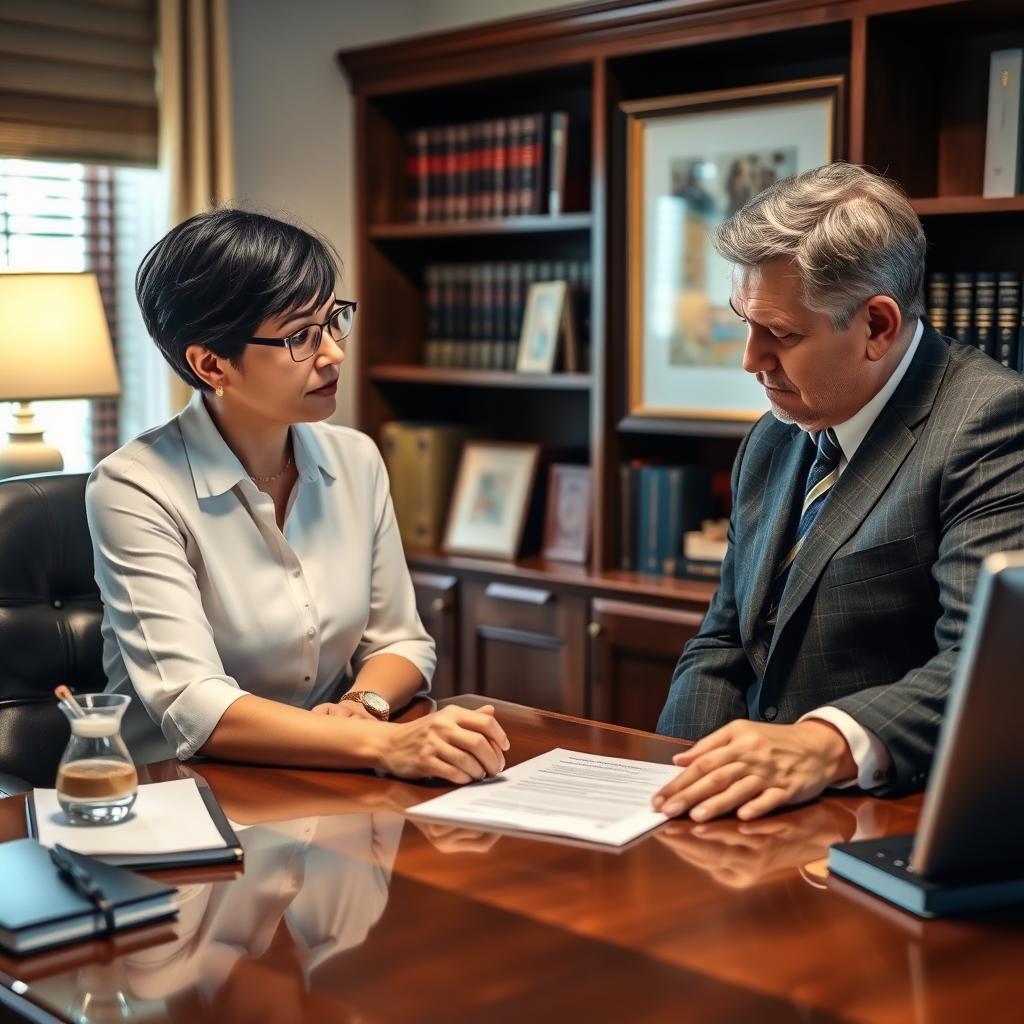
Special Needs Trust Lawyer Shenandoah
A Special Needs Trust Lawyer Shenandoah helps protect public benefits for disabled individuals. Law Offices Of SRIS, P.C. —Advocacy Without Borders. drafts trusts that comply with Virginia and federal law. Our Shenandoah Location attorneys ensure assets supplement, not replace, SSI or Medicaid. Proper planning secures a beneficiary’s future care and quality of life. (Confirmed by SRIS, P.C.)
Statutory Definition of a Special Needs Trust in Virginia
Virginia law authorizes special needs trusts under Va. Code § 64.2-779.13 through § 64.2-779.17, classifying them as discretionary supplemental needs trusts. The primary legal penalty for improper drafting is disqualification from essential public benefits like Medicaid and Supplemental Security Income (SSI). These statutes provide the framework for creating a legally sound trust that protects a disabled individual’s eligibility for government assistance. A Special Needs Trust Lawyer Shenandoah must handle these specific code sections to ensure compliance. The trust must be established for the sole benefit of a disabled individual under age 65. Virginia law incorporates federal Medicaid rules found in 42 U.S.C. § 1396p(d)(4)(A). This federal statute defines a “pooled trust” and “(d)(4)(A)” trust for disabled individuals. Failure to adhere to these statutes can result in the loss of tens of thousands of dollars in annual benefits. The trust’s terms must give the trustee absolute discretion over distributions. Distributions cannot be made directly for food or shelter if the beneficiary receives SSI. This prevents countable resource calculations that reduce benefit amounts. Proper statutory drafting is a non-negotiable requirement.
What is the primary purpose of a special needs trust?
The primary purpose is to supplement government benefits without disqualifying the beneficiary. Assets held in the trust are not counted as the beneficiary’s direct resources. This allows for payment of supplemental needs like therapy, transportation, and personal care items. The trust preserves eligibility for Medicaid and SSI programs.
Who can establish a special needs trust in Virginia?
A parent, grandparent, legal guardian, or a court can establish a first-party trust. The disabled individual can also establish a self-settled trust with court approval. A third-party trust is typically created by a family member through their will or estate plan. The establishing party is called the grantor or settlor.
What is the difference between a first-party and third-party trust?
A first-party trust holds assets that belong to the disabled person, like an inheritance or lawsuit settlement. A third-party trust holds assets from someone else, like a parent’s life insurance proceeds. First-party trusts often include a Medicaid payback provision upon the beneficiary’s death. Third-party trusts have no such requirement, allowing remaining assets to pass to other family members.
The Insider Procedural Edge for Shenandoah Trusts
Trust administration and any related litigation for Shenandoah residents typically fall under the Shenandoah County Circuit Court located at 112 South Main Street, Woodstock, VA 22664. Procedural specifics for Shenandoah are reviewed during a Consultation by appointment at our Shenandoah Location. The court oversees fiduciary accountings, trust modifications, and disputes over trustee actions. Filing fees for fiduciary matters vary but are set by the Virginia Supreme Court. The timeline for establishing a trust can be expedited with proper legal preparation. A petition for court approval of a first-party trust may be required. Local court rules dictate the format for accountings and required notices to beneficiaries. Working with a local attorney familiar with the court’s clerks is a practical advantage. The court expects precise adherence to statutory notice requirements for any hearing. Trustees must file regular accountings to demonstrate proper management of trust assets. Failure to follow procedure can lead to court removal as trustee or surcharge for mismanagement.
What is the typical timeline to establish a special needs trust?
Drafting and executing a third-party trust can often be completed within a few weeks. A first-party trust requiring court approval may take several months from petition to final order. The timeline depends on court docket schedules and the complexity of the asset transfer. Urgent situations, such as a pending settlement, can be expedited. Learn more about Virginia legal services.
The legal process in Shenandoah follows specific procedural requirements that affect case timelines and outcomes. Courts in this jurisdiction apply local rules that may differ from neighboring areas. An attorney familiar with Shenandoah court procedures can identify procedural advantages relevant to your situation.
Are there ongoing court requirements after the trust is created?
The trustee must often file an annual accounting with the Commissioner of Accounts for Shenandoah County. The Commissioner reviews the accounting for compliance with the trust terms and Virginia law. Failure to file required accountings can result in penalties and trustee removal. The specific reporting requirements are detailed in the court’s order establishing the trust.
Penalties & Defense Strategies for Trust Errors
The most common penalty for trust errors is the disqualification of the beneficiary from Medicaid and SSI benefits. This can result in a loss of over $20,000 annually in combined benefits and healthcare coverage. Other penalties include tax liabilities, trustee surcharges, and court-ordered restitution of misapplied funds. A Special Needs Trust Lawyer Shenandoah builds a defense through careful drafting and proactive administration.
Virginia law establishes specific statutory frameworks that govern these matters. Each case involves unique factual circumstances that require careful legal analysis. SRIS, P.C. attorneys evaluate every relevant factor when developing case strategy for clients in Shenandoah.
| Offense | Penalty | Notes |
|---|---|---|
| Improper Distribution | SSI/Medicaid disqualification, repayment demands | A direct payment for rent or food is a common error. |
| Failure to File Accountings | Trustee removal, fines, personal liability | The Commissioner of Accounts can impose sanctions. |
| Violation of Payback Provision | State Medicaid lien enforcement, beneficiary debt | Applies to first-party (d)(4)(A) trusts. |
| Breach of Fiduciary Duty | Surcharge, civil lawsuit for damages | Beneficiaries or remaindermen can bring action. |
[Insider Insight] Local prosecutors in Shenandoah County do not typically handle trust matters unless fraud is alleged. However, the Virginia Department of Medical Assistance Services (DMAS) aggressively pursues recovery of Medicaid benefits paid improperly. Their auditors scrutinize trust distributions and asset transfers. An experienced attorney anticipates these reviews and maintains impeccable records. Learn more about criminal defense representation.
How can a trustee avoid personal liability?
A trustee avoids liability by strictly following the trust document’s terms and Virginia law. They must keep detailed records of all income, expenses, and distributions. Hiring professional advisors, like a lawyer and accountant, demonstrates prudent management. Obtaining court approval for ambiguous actions provides a layer of protection.
What happens if a trust error causes benefit loss?
The first step is to immediately cease any improper distributions. An attorney can petition the agency for reinstatement or a waiver of overpayment. Corrective distributions or amendments to the trust may be necessary. In some cases, appealing the agency’s decision is the required path.
Court procedures in Shenandoah require proper documentation and adherence to filing deadlines. Missing a deadline or submitting incomplete filings can negatively impact case outcomes. Working with an attorney who handles cases in Shenandoah courts regularly ensures that procedural requirements are met correctly and on time.
Why Hire SRIS, P.C. for Your Shenandoah Trust
SRIS, P.C. assigns attorneys with direct experience in fiduciary law and public benefits planning. Our team understands the intersection of Virginia trust code and federal benefit regulations.
Our lead fiduciary attorney has over 15 years of experience drafting and litigating trust agreements. This attorney has handled numerous cases before the Shenandoah County Commissioner of Accounts. Their background includes resolving complex disputes over trustee conduct and beneficiary eligibility. This practical court experience is critical for effective trust creation and defense. Learn more about DUI defense services.
The timeline for resolving legal matters in Shenandoah depends on multiple factors including case type, court scheduling, and the positions of all parties involved. SRIS, P.C. keeps clients informed throughout the process and works to move cases forward as efficiently as possible.
SRIS, P.C. has a dedicated team for estate and disability planning matters. We draft precise documents designed to withstand scrutiny from benefit agencies. Our approach is proactive, focusing on preventing disputes before they arise. We coordinate with financial planners and care managers to implement a holistic plan. You need a lawyer who speaks the language of both the courtroom and the social security Location.
Localized FAQs for Shenandoah Trust Planning
Can a special needs trust own a home in Shenandoah?
Yes, a special needs trust can own a home for the beneficiary’s primary residence. The home is not counted as a resource for SSI and Medicaid eligibility. The trust must pay for all property expenses like taxes, insurance, and maintenance. This allows the beneficiary to have stable housing without losing benefits.
What happens to the trust when the beneficiary dies?
For a first-party trust, Virginia and federal law require repayment to the state for Medicaid benefits paid. Any remaining funds after the Medicaid payback can go to other beneficiaries named in the trust. For a third-party trust, remaining assets pass directly to the named successor beneficiaries. There is no Medicaid payback requirement for properly drafted third-party trusts.
Who should be the trustee of a Shenandoah special needs trust?
The trustee can be a family member, a trusted friend, or a professional corporate trustee. The trustee must be financially savvy, organized, and understand public benefit rules. Many families choose a co-trustee arrangement with a professional. SRIS, P.C. can advise on selecting and guiding a suitable trustee. Learn more about our experienced legal team.
Financial implications are often a significant concern in legal proceedings. Virginia courts consider relevant financial factors when making determinations. Proper preparation of financial documentation strengthens your position and supports favorable outcomes in Shenandoah courts.
How does a special needs trust affect inheritance or a lawsuit settlement?
An inheritance or settlement received directly by a disabled person can disqualify them from benefits. A properly drafted first-party special needs trust can receive those funds. The assets are then protected and used for the beneficiary’s supplemental needs. Establishing the trust must often be done quickly, before the funds are distributed.
Proximity, CTA & Disclaimer
Our Shenandoah Location serves clients throughout Shenandoah County and the surrounding region. Procedural specifics for Shenandoah are reviewed during a Consultation by appointment. Call 24/7 to discuss your special needs trust planning with our team. We provide clear guidance on protecting benefits and securing future care.
Law Offices Of SRIS, P.C.
—Advocacy Without Borders.
Consultation by appointment. Call [phone]. 24/7.
Past results do not predict future outcomes.