
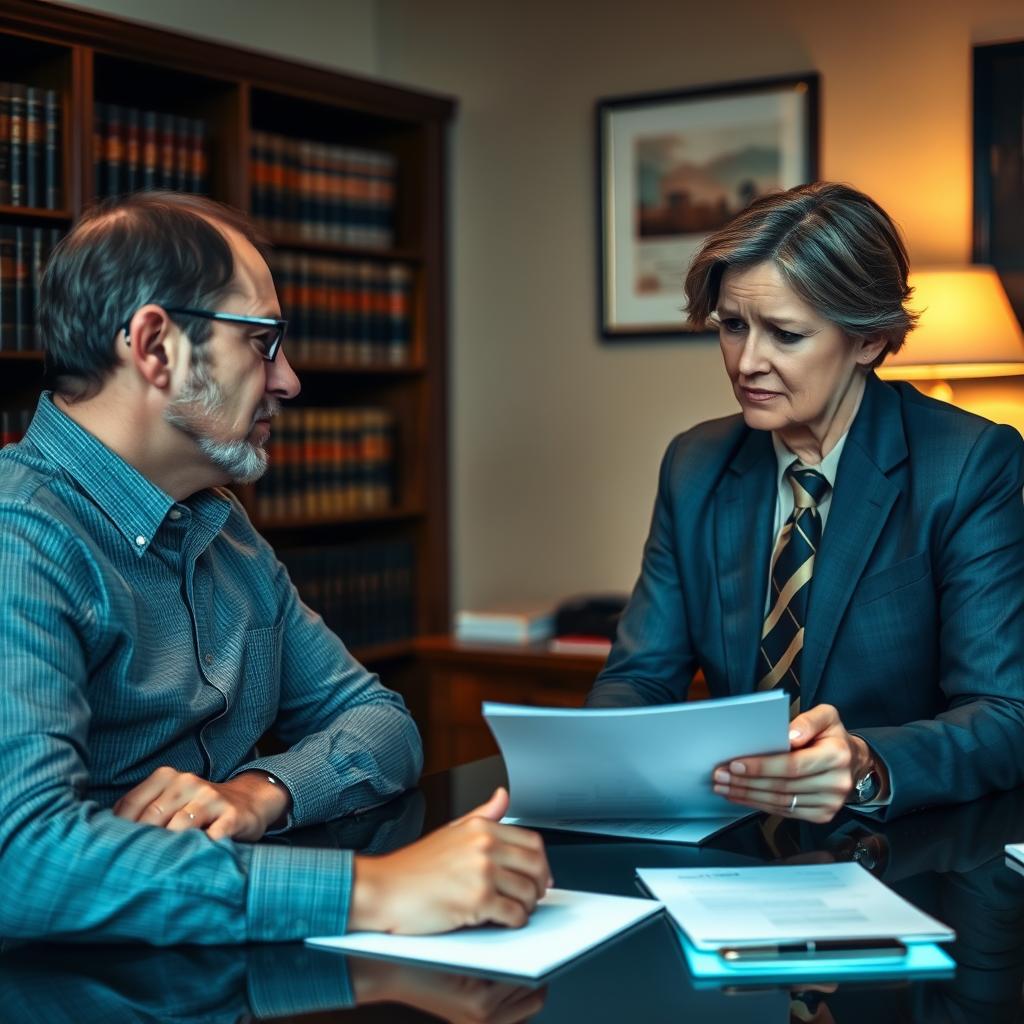
Special Needs Trust Lawyer Washington County
A Special Needs Trust Lawyer Washington County establishes a legal tool to protect a disabled individual’s eligibility for public benefits. Law Offices Of SRIS, P.C. —Advocacy Without Borders. These trusts, governed by Maryland and federal law, require precise drafting to avoid disqualifying the beneficiary from SSI or Medicaid. SRIS, P.C. (Confirmed by SRIS, P.C.)
Statutory Definition of Special Needs Trusts in Maryland
Maryland Estates and Trusts Code § 14.5-1001 et seq. provides the statutory framework for discretionary trusts, including special needs trusts, in the state. This legal structure allows a trustee to use discretion when distributing assets for a beneficiary’s supplemental needs. The primary goal is preserving the beneficiary’s eligibility for means-tested government programs like Supplemental Security Income (SSI) and Medicaid. Federal law, specifically 42 U.S.C. § 1396p(d)(4)(A), authorizes the creation of first-party or “self-settled” special needs trusts. These trusts hold assets belonging to the person with a disability, often from an inheritance or legal settlement. A key requirement is the Medicaid payback provision upon the beneficiary’s death. Third-party special needs trusts are funded with assets from someone other than the beneficiary, like a parent. These trusts are not subject to the same mandatory payback requirements. The legal definitions and restrictions are precise. Any drafting error can trigger a complete disqualification from vital public assistance. A Special Needs Trust Lawyer Washington County must handle these intersecting state and federal statutes.
What is the primary purpose of a special needs trust?
The primary purpose is to provide supplemental resources without disqualifying the beneficiary from SSI or Medicaid. The trust pays for expenses not covered by government benefits. This includes personal care items, therapy, education, and recreation. The trustee has full discretion over distributions.
What is the difference between a first-party and third-party trust?
A first-party trust contains assets owned by the person with the disability. It requires a Medicaid payback clause and must be established before the beneficiary turns 65. A third-party trust is funded by assets from parents, grandparents, or others. It does not require a mandatory payback to the state of Maryland.
Who can establish a special needs trust in Washington County?
A parent, grandparent, legal guardian, or a court can establish a third-party trust. The individual with a disability, a parent, grandparent, guardian, or a court can establish a first-party trust. The establishing party is called the grantor or settlor. Legal capacity and intent are required for a valid creation.
The Insider Procedural Edge for Washington County
The Circuit Court for Washington County, located at 95 W. Washington Street, Hagerstown, MD 21740, handles the judicial oversight of special needs trusts. This court has jurisdiction over trust establishment, accountings, and modifications. Procedural specifics for Washington County are reviewed during a Consultation by appointment at our Maryland Location. Filing a petition for court approval of a trust, especially for a first-party trust or involving a minor, is common. The court ensures the trust document complies with all Maryland statutes and federal requirements. Local court rules dictate specific formatting and notice procedures. Timelines for court approval can vary based on the court’s docket and complexity. Engaging a local attorney familiar with the Washington County Circuit Court clerks is critical. They understand the local preferences for documentation and scheduling.
What is the typical timeline for establishing a court-approved trust?
The timeline from drafting to court approval can take several weeks to months. Drafting the trust document requires careful analysis of the beneficiary’s needs and assets. Gathering financial and medical documentation is a necessary step. Filing the petition and awaiting a hearing date depends on the court’s schedule. The entire process demands careful preparation to avoid delays. Learn more about Virginia legal services.
The legal process in Washington County follows specific procedural requirements that affect case timelines and outcomes. Courts in this jurisdiction apply local rules that may differ from neighboring areas. An attorney familiar with Washington County court procedures can identify procedural advantages relevant to your situation.
Are there specific local filing fees or costs?
Filing fees are set by the Maryland Judiciary and apply in Washington County. A petition to establish a trust typically requires a filing fee. Additional costs may include publication fees for notice and guardian ad litem fees if required. The total cost is influenced by the trust’s complexity and any court-required procedures. SRIS, P.C. provides clear cost outlines during your initial consultation.
Penalties of Poor Planning & Defense Strategies
The most common penalty for trust errors is the disqualification of the beneficiary from SSI and Medicaid. This loss can amount to tens of thousands of dollars annually in lost benefits and medical coverage. Incorrect trust language is treated as an available asset by the Social Security Administration. This triggers a termination or reduction of critical monthly income and healthcare.
Virginia law establishes specific statutory frameworks that govern these matters. Each case involves unique factual circumstances that require careful legal analysis. SRIS, P.C. attorneys evaluate every relevant factor when developing case strategy for clients in Washington County.
| Offense | Penalty | Notes |
|---|---|---|
| Improper Distributions | SSI/Medicaid disqualification | Benefits suspended until asset is spent down. |
| Missing Payback Clause | First-party trust is invalid | Assets counted immediately, benefits lost. |
| Poor Trustee Selection | Mismanagement, legal conflicts | Can lead to court intervention and removal. |
| Failure to File Accountings | Court sanctions, trustee liability | Required for court-supervised trusts. |
[Insider Insight] Local experience shows that the Maryland Department of Human Services and SSA rigorously review trust documents. They scrutinize discretionary language and payment directives. Proactive drafting that anticipates these reviews is the best defense. A well-drafted trust acts as a shield against administrative penalties. Learn more about criminal defense representation.
How can a lawyer defend against a benefits disqualification?
A lawyer defends by preemptively drafting airtight discretionary language in the trust. The document must explicitly state distributions are solely for supplemental needs. It must prohibit distributions that replace or duplicate government benefits. The lawyer can also negotiate with benefit agencies if a review occurs. Providing correct legal interpretations of the trust terms is often necessary.
What happens if a trust violates Medicaid rules?
The state will impose a period of ineligibility for Medicaid benefits. The length depends on the amount of assets improperly sheltered. The beneficiary may be required to privately pay for medical care during this period. Correcting the violation may require petitioning the court to amend the trust. This is a complex legal process requiring experienced counsel.
Court procedures in Washington County require proper documentation and adherence to filing deadlines. Missing a deadline or submitting incomplete filings can negatively impact case outcomes. Working with an attorney who handles cases in Washington County courts regularly ensures that procedural requirements are met correctly and on time.
Why Hire SRIS, P.C. for Your Washington County Trust
Attorney Bryan Block brings direct experience in protective legal proceedings to trust planning. His background ensures a disciplined approach to drafting and administering special needs trusts. SRIS, P.C. has managed numerous estate planning matters for Washington County families. The firm’s focus is on creating legally sound instruments that withstand scrutiny.
The timeline for resolving legal matters in Washington County depends on multiple factors including case type, court scheduling, and the positions of all parties involved. SRIS, P.C. keeps clients informed throughout the process and works to move cases forward as efficiently as possible. Learn more about DUI defense services.
Our team understands the intersection of public benefits law and estate planning. We draft trusts that are clear, compliant, and specific to your family’s unique situation. We advise on trustee selection, distribution strategies, and long-term administration. Choosing the right disability trust planning lawyer Washington County is a decision with lasting consequences. We provide the advocacy needed to secure your loved one’s future.
Localized FAQs for Washington County Families
Can a special needs trust own a home in Washington County?
Yes, a special needs trust can own a home for the beneficiary’s primary residence. The home is not counted as a resource for SSI eligibility. The trust must pay for property taxes, insurance, and maintenance directly. This arrangement provides stable housing without affecting monthly cash benefits.
Does a inheritance go into a special needs trust?
An inheritance can be directed into a third-party special needs trust through a will. If an inheritance is received directly by a person with a disability, it may require a first-party trust. Planning ahead with a supplemental needs trust lawyer Washington County is essential. This prevents the inheritance from disrupting government benefit eligibility.
Who should be the trustee of a special needs trust?
The trustee should be a financially responsible person or institution familiar with public benefits rules. Many families choose a professional trustee or a corporate co-trustee. The trustee must understand the strict rules against improper distributions. SRIS, P.C. can guide you in selecting and preparing a suitable trustee.
Financial implications are often a significant concern in legal proceedings. Virginia courts consider relevant financial factors when making determinations. Proper preparation of financial documentation strengthens your position and supports favorable outcomes in Washington County courts. Learn more about our experienced legal team.
How does a special needs trust affect SSI payments?
A properly drafted special needs trust does not affect SSI payments. The assets in the trust are not counted toward the $2,000 resource limit. Distributions from the trust for food or shelter can reduce the SSI payment, however. Careful trust administration is required to avoid unintentional benefit reductions.
Can the trust be changed after it is created?
Third-party special needs trusts can often be amended if the trust document allows it. First-party trusts are generally irrevocable and cannot be changed. A court may modify a trust under certain circumstances, like a change in law or beneficiary needs. Consult with an attorney before attempting any modification.
Proximity, Call to Action & Disclaimer
Our Maryland Location serves clients throughout Washington County. We are accessible from Hagerstown, Williamsport, Boonsboro, and surrounding communities. Procedural specifics for Washington County are reviewed during a Consultation by appointment. Call 24/7 to discuss your special needs trust planning with our legal team. We provide clear guidance on protecting your family’s future.
Consultation by appointment. Call [phone]. 24/7.
Past results do not predict future outcomes.