
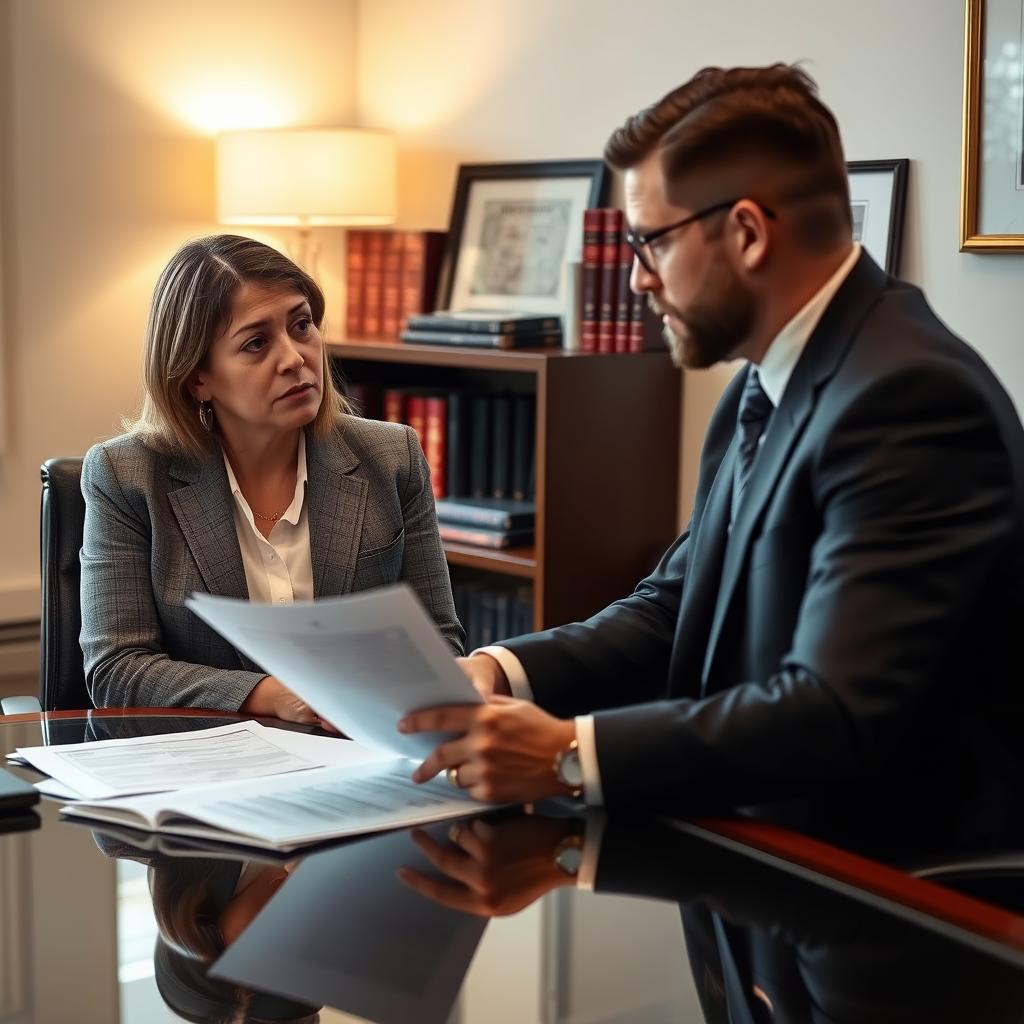
Trust Lawyer Queens County
You need a Trust Lawyer Queens County to handle fiduciary disputes and estate litigation in Surrogate’s Court. Law Offices Of SRIS, P.C. —Advocacy Without Borders. provides direct counsel for trust administration, breaches of fiduciary duty, and contested accountings. Our Queens County Location focuses on New York Estates, Powers and Trusts Law (EPTL) matters. (Confirmed by SRIS, P.C.)
Statutory Definition of Trust Disputes in New York
New York Estates, Powers and Trusts Law (EPTL) Article 7 governs express trusts, defining the duties and potential liabilities of a trustee. A breach of these fiduciary duties can lead to surcharge actions, removal proceedings, and other litigation in Surrogate’s Court. The statutory framework sets the rules for trust creation, modification, termination, and the rights of beneficiaries. Understanding EPTL is critical for any trust matter in Queens County.
Trust litigation often centers on allegations that a trustee failed to act in the beneficiaries’ best interests. This is the core duty of loyalty and care under EPTL. Common claims include self-dealing, improper investments, failure to account, and mismanagement of trust assets. These are not mere disagreements but legal actions with serious consequences. The Surrogate’s Court has exclusive jurisdiction over these proceedings in Queens County.
The court can order a trustee to personally repay the trust for losses. This is called a surcharge. The court can also remove a trustee and deny them commissions. Defending against such claims requires a precise understanding of the trustee’s powers granted by the trust instrument and EPTL. A Trust Lawyer Queens County analyzes these documents to build a defense or pursue a claim.
What are the common penalties for a trustee found in breach?
A trustee found in breach faces monetary surcharges, denial of commissions, and removal. The court will order the trustee to repay the trust for any loss caused by their actions. They may also be required to return any improper personal profit. In egregious cases, the court can refer the matter for potential criminal prosecution.
How does New York law define a trustee’s fiduciary duty?
New York law defines a fiduciary duty as the obligation to act solely in the interest of the beneficiaries with undivided loyalty. EPTL § 7-2.4 outlines the prudent investor rule, requiring care, skill, and caution. A trustee must avoid conflicts of interest and administer the trust property responsibly. This legal standard is the basis for most trust litigation in Queens County.
Can a trust be contested after the grantor’s death?
A trust can be contested after the grantor’s death on grounds like lack of capacity, undue influence, or fraud. These proceedings are filed in the Surrogate’s Court where the grantor was domiciled. In Queens County, this means filing with the Queens County Surrogate’s Court. The timeline for contesting is strict, often tied to the notice of trust administration. Learn more about Virginia legal services.
The Insider Procedural Edge in Queens County
The Queens County Surrogate’s Court is located at 88-11 Sutphin Blvd, Jamaica, NY 11435. This court handles all probate, estate administration, and trust litigation matters for Queens County residents. Knowing the specific judges and court personnel here is an advantage. Procedural rules are strictly enforced, and filings must be exact.
Motions for discovery or preliminary relief are common early steps. The court requires detailed accounting petitions from trustees. Any objections to these accountings must be filed within a strict deadline. Missing a deadline can waive important rights for a beneficiary or trustee. A Trust Lawyer Queens County knows these deadlines and the required forms.
Filing fees vary based on the specific proceeding. A petition for judicial settlement of a trustee’s accounting, for instance, has a fee calculated on the value of the trust assets. Other motions have set fees. The court’s clerk’s Location can provide fee schedules, but an attorney should handle this. Procedural missteps cause delays and increased costs.
What is the address for trust litigation filings?
All trust litigation filings for Queens County go to the Queens County Surrogate’s Court at 88-11 Sutphin Blvd. The court has specific parts and judges assigned to trust matters. Filing must be done in person or by an attorney with e-filing credentials. The correct part and index number are crucial for your case.
What is the typical timeline for a trust dispute case?
A trust dispute timeline varies from several months to over a year. Simple motions may be decided in a few months. A full contested accounting proceeding can take a year or more. Discovery, including document production and depositions, adds significant time. Settlement conferences are often mandated by the court to resolve matters faster. Learn more about criminal defense representation.
What are the court filing fees for trust matters?
Court filing fees are not flat and depend on the action. A petition to commence a proceeding has one fee. A petition for judicial settlement of an accounting has a fee based on the estate or trust value. Motion filing fees are separate. The total cost in filing fees can reach several hundred dollars for a full proceeding.
Penalties & Defense Strategies for Trustees
The most common penalty is a monetary surcharge equal to the loss suffered by the trust, plus interest. The court has broad discretion to make the trust whole. This can include disgorgement of profits and denial of all trustee commissions. In severe cases, the court will remove the trustee and appoint a successor.
| Offense / Finding | Penalty | Notes |
|---|---|---|
| Breach of Duty of Loyalty (Self-Dealing) | Surcharge for losses + disgorgement of profits; Removal likely. | EPTL § 7-2.4; Court views this as a serious violation. |
| Negligent Investment / Failure to Diversify | Surcharge for difference between actual and prudent return. | Judged against “prudent investor” standard; market losses alone are not a breach. |
| Failure to Account or Provide Information | Compel accounting; Deny commissions; Possible removal. | Beneficiaries have a right to regular accountings under EPTL § 7-2.2. |
| Conflict of Interest | Transaction may be voided; Surcharge imposed; Removal possible. | Even the appearance of a conflict can lead to court scrutiny. |
[Insider Insight] The Queens County Surrogate’s Court Attorney General’s Location often reviews larger charitable trusts. For private trusts, the court focuses on whether the trustee acted in good faith. Trustees who keep careful records and communicate with beneficiaries face fewer problems. The court favors trustees who seek court guidance before engaging in questionable transactions.
A defense often rests on the terms of the trust instrument itself. The document may grant the trustee broad discretionary powers. Demonstrating that actions were within this granted authority is key. Another defense is beneficiary consent, if it was informed and not coerced. A Trust Lawyer Queens County crafts these defenses from the document and correspondence.
What are the financial risks for a trustee?
A trustee risks personal financial liability for any trust loss they cause. This includes repaying the principal loss, lost income, and legal fees. Their right to commissions can be forfeited. They may also be liable for the legal fees incurred by beneficiaries who successfully sue them. Learn more about DUI defense services.
Can a trustee be removed without being at fault?
A trustee can sometimes be removed without fault for reasons like incapacity, illness, or unresolvable conflict with beneficiaries. The court’s primary concern is the proper administration of the trust. If the trustee cannot function effectively, the court may appoint a successor. This is less common than removal for cause.
Why Hire SRIS, P.C. for Your Queens County Trust Matter
Our lead attorney for fiduciary matters has over fifteen years of experience in New York Surrogate’s Courts. This attorney focuses on the procedural intricacies of trust accounting and litigation. They understand how Queens County judges interpret EPTL and local rules. This specific knowledge is critical for handling a trust dispute.
SRIS, P.C. approaches trust litigation with a clear strategy from the first consultation. We review the trust instrument, all accountings, and communications. We identify the core legal issues, whether defending a trustee or advocating for beneficiaries. Our goal is to protect your rights and the integrity of the trust assets.
We have represented clients in contested accountings, removal proceedings, and surcharge actions. Our familiarity with Queens County Surrogate’s Court procedures allows for efficient case management. We prepare petitions, objections, and motions that meet the court’s strict standards. We advocate at settlement conferences and, if necessary, at trial.
You need an attorney who speaks the language of trusts and estates law. The terminology and procedures are unique to this practice area. General practitioners often miss key deadlines or legal standards. Our firm provides focused representation for trustees and beneficiaries throughout Queens County. Learn more about our experienced legal team.
Localized Trust & Estate FAQs for Queens County
What does a trust lawyer in Queens County do?
A trust lawyer in Queens County handles the creation, administration, and litigation of trusts. They advise trustees on legal duties and represent parties in Surrogate’s Court disputes. This includes breach of fiduciary duty cases and contested accountings. They ensure compliance with New York’s Estates, Powers and Trusts Law.
How much does a trust attorney cost in Queens County?
Costs vary by case complexity. Many trust attorneys charge an hourly rate. For litigation, a retainer is typically required. Some matters, like simple trust drafting, may be a flat fee. Always discuss fees and billing practices during your initial consultation.
What is the difference between Surrogate’s Court and Supreme Court for trusts?
Surrogate’s Court has exclusive jurisdiction over trust accounting and administration proceedings. Supreme Court may handle inter vivos trust disputes not involving accounting. For most trust matters related to a decedent or trustee duties, you file in Queens County Surrogate’s Court. The correct venue is critical.
How long does a trustee have to provide an accounting in New York?
A trustee must account at least annually unless the trust says otherwise. Upon termination or a beneficiary’s request, they must provide a formal accounting. If they fail, a beneficiary can petition the Surrogate’s Court to compel one. Deadlines are enforced by the court.
Can I sue a trustee personally in Queens County?
Yes, you can sue a trustee personally for breach of fiduciary duty in Queens County Surrogate’s Court. The lawsuit seeks a surcharge against the trustee’s personal assets. The petition must detail the alleged misconduct and the losses to the trust. This is a serious legal action.
Proximity, Consultation & Essential Disclaimer
Our firm serves clients across Queens County. For a trust matter in the Queens County Surrogate’s Court, having local counsel is vital. We are familiar with the court’s location at 88-11 Sutphin Blvd and its operational procedures. Consultation by appointment. Call 24/7.
If you are a trustee facing a challenge or a beneficiary with concerns, act promptly. Legal deadlines in trust matters are often short. Contact SRIS, P.C. to discuss your specific situation with a trust lawyer focused on Queens County. We provide direct analysis of your rights and options.
Law Offices Of SRIS, P.C.—Advocacy Without Borders. provides legal services in this practice area. Our attorneys are licensed to practice in New York. This information is for general purposes and is not legal advice. You must consult an attorney for advice on your specific case.
Past results do not predict future outcomes.