
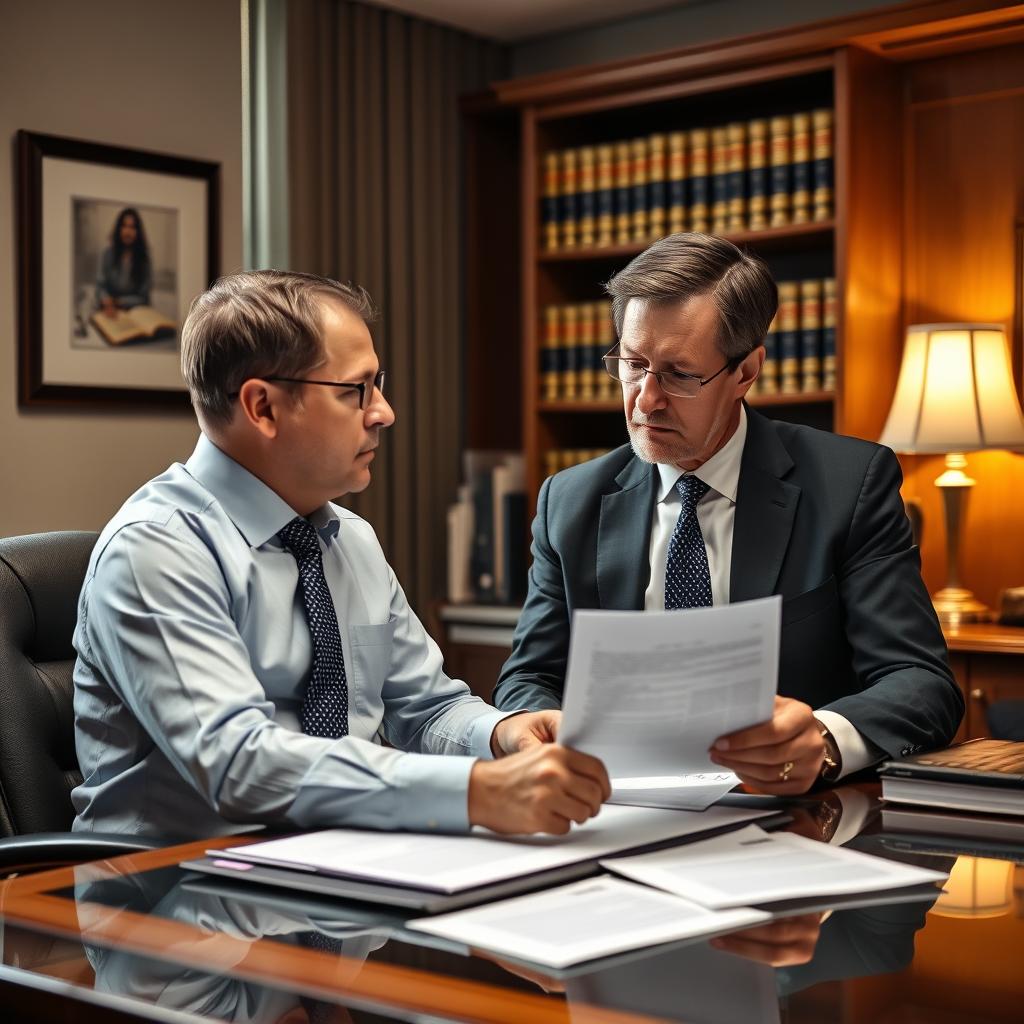
Will Lawyer Livingston County
You need a Will Lawyer Livingston County to draft a valid last will and testament under New York law. Law Offices Of SRIS, P.C. —Advocacy Without Borders. provides this essential service. A will directs asset distribution and names guardians for minor children. Without one, state intestacy laws control your estate. This can cause family conflict and delay. (Confirmed by SRIS, P.C.)
Statutory Definition of a Valid Will in New York
New York Estates, Powers and Trusts Law (EPTL) § 3-2.1 governs the execution of wills. A will must be in writing, signed by the testator, and witnessed by at least two people. The witnesses must sign in the testator’s presence. The testator must be at least 18 years old and of sound mind. Holographic (handwritten) wills are not valid in New York. Nuncupative (oral) wills are only valid for members of the armed forces during active service. A Will Lawyer Livingston County ensures strict compliance with these statutes. This prevents a will from being declared invalid during probate.
What are the formal requirements for a will in Livingston County?
The formal requirements are strict and non-negotiable. The will must be in writing, which includes typed or printed documents. The testator must sign at the end of the will. Two disinterested witnesses must also sign. These witnesses must see the testator sign or hear the testator acknowledge the signature. All parties should be in the same room for the signing ceremony. A Will Lawyer Livingston County supervises this process to prevent challenges.
Who can serve as a witness to a will in New York?
A witness must be competent and at least 18 years old. A beneficiary of the will should not act as a witness. If a beneficiary does witness, it may void their gift under EPTL § 3-3.2. The witness must not be under any legal disability. An interested witness can invalidate parts of your will. Your Will Lawyer Livingston County will provide neutral witnesses if needed. This protects the integrity of the entire document.
What does “sound mind” mean for creating a will?
“Sound mind” means the testator understands the nature of the act. They must know the extent of their property. They must comprehend the natural objects of their bounty (family). They must understand how the will distributes that property. Temporary confusion or eccentricity does not necessarily mean unsound mind. A Will Lawyer Livingston County can document mental capacity at the time of signing. This creates evidence to defeat a future contest.
The Insider Procedural Edge in Livingston County Surrogate’s Court
The Livingston County Surrogate’s Court is located at 2 Court Street, Geneseo, NY 14454. This court handles all probate and estate administration matters for Livingston County residents. The probate process begins with filing a petition and the original will. Procedural specifics for Livingston County are reviewed during a Consultation by appointment at our Livingston County Location. The court requires notice to all interested parties, including heirs and beneficiaries. Filing fees are set by statute and vary based on the estate’s value. A local Will Lawyer Livingston County knows the court clerks and judges. This familiarity can simplify the probate process for your executor.
What is the timeline for probating a will in Livingston County?
The timeline depends on the estate’s complexity and if the will is contested. A simple, uncontested probate can take several months. The court must appoint an executor and issue letters testamentary. Creditors have a seven-month period to make claims against the estate. All assets must be collected and debts paid before distribution. A Will Lawyer Livingston County can help expedite this process. They ensure all paperwork is filed correctly the first time.
The legal process in Livingston County follows specific procedural requirements that affect case timelines and outcomes. Courts in this jurisdiction apply local rules that may differ from neighboring areas. An attorney familiar with Livingston County court procedures can identify procedural advantages relevant to your situation. Learn more about Virginia legal services.
What are the common filing fees for probate in Livingston County?
Filing fees are based on the gross value of the estate’s assets. For estates under $10,000, the fee is a nominal amount. Estates valued over $500,000 incur higher statutory fees. The exact fee schedule is set by New York Surrogate’s Court Procedure Act. Additional fees may apply for certified copies and other filings. Your Will Lawyer Livingston County will calculate these costs upfront. This prevents surprises during the estate administration.
Penalties of Not Having a Will & Defense Strategies for Contests
The most common penalty is your assets passing by New York’s intestacy laws. This law provides a rigid formula for distribution. It may not reflect your actual wishes. It can also cause significant family disputes and delays. A Will Lawyer Livingston County prevents this outcome by drafting a clear, legally binding document.
Virginia law establishes specific statutory frameworks that govern these matters. Each case involves unique factual circumstances that require careful legal analysis. SRIS, P.C. attorneys evaluate every relevant factor when developing case strategy for clients in Livingston County.
| Issue | Consequence | Notes |
|---|---|---|
| Intestacy | Assets distributed by NY EPTL § 4-1.1 | Spouse and children split estate; no provision for unmarried partners. |
| No Guardian Named | Court appoints guardian for minor children | The court’s choice may not align with your preference. |
| Will Contest | Probate litigation delays distribution for years | Grounds include undue influence, fraud, or lack of capacity. |
| Higher Administration Costs | Estate may pay more for bonding and court supervision | A will can waive the bond requirement for your executor. |
[Insider Insight] Livingston County Surrogate’s Court judges scrutinize wills for proper execution. They pay close attention to the attestation clause and witness signatures. Any irregularity can lead to a citation being issued to the witnesses. Local prosecutors in estate matters are not involved unless fraud is alleged. The court’s primary concern is following the statutory formalities. Having a Will Lawyer Livingston County present at execution creates a strong defense against contests.
How can I defend against a will contest in Livingston County?
Strong defense starts with impeccable document drafting and execution. Include a detailed attestation clause reciting all legal requirements. Consider a “no-contest” clause to deter challenges from beneficiaries. Have your Will Lawyer Livingston County document your mental capacity. This can include a contemporaneous physician’s affidavit. These steps create a formidable record that discourages litigation.
What happens if my will is found invalid?
If your will is invalid, you are deemed to have died intestate. New York’s intestacy laws then control the distribution of your assets. Your spouse and children become the primary heirs. Unmarried partners, friends, and charities receive nothing. The court will appoint an administrator, who may be a family member. This process is public, costly, and often contentious. A Will Lawyer Livingston County ensures this does not happen to your estate. Learn more about criminal defense representation.
Court procedures in Livingston County require proper documentation and adherence to filing deadlines. Missing a deadline or submitting incomplete filings can negatively impact case outcomes. Working with an attorney who handles cases in Livingston County courts regularly ensures that procedural requirements are met correctly and on time.
Why Hire SRIS, P.C. for Your Livingston County Will
Our lead attorney for estate matters is a seasoned practitioner with deep knowledge of New York probate law. SRIS, P.C. brings a disciplined, detail-oriented approach to will drafting and estate planning. We understand that a will is the cornerstone of your family’s financial security.
Attorney Profile: Our estate planning team is led by attorneys with decades of combined experience. They are familiar with the specific requirements of the Livingston County Surrogate’s Court. They draft documents that are clear, enforceable, and specific to New York law. They focus on preventing future disputes before they arise.
The timeline for resolving legal matters in Livingston County depends on multiple factors including case type, court scheduling, and the positions of all parties involved. SRIS, P.C. keeps clients informed throughout the process and works to move cases forward as efficiently as possible.
We have assisted numerous clients in Livingston County with their estate plans. Our process is thorough. We review your assets, family structure, and specific wishes. We then draft documents that accurately reflect your intent. We supervise the proper execution of your will. We keep detailed records of our client interactions and your instructions. This record can be vital if your will is ever challenged. SRIS, P.C. provides experienced legal team support for all your planning needs.
Localized Livingston County Will & Estate FAQs
What is the cost of a will lawyer in Livingston County?
The cost depends on the complexity of your estate. Simple wills are often a flat fee. Complex plans with trusts cost more. SRIS, P.C. provides clear fee quotes during your initial consultation. We believe in transparent pricing for peace of mind. Learn more about DUI defense services.
Can I write my own will in New York?
You can, but it is highly risky. DIY wills often fail to meet statutory formalities. Ambiguous language leads to probate litigation. A mistake can invalidate the entire document. Hiring a Will Lawyer Livingston County is a prudent investment in clarity.
How often should I update my will?
Review your will every three to five years. Update it after major life events. These include marriage, divorce, birth of a child, or significant asset change. New York law changes may also necessitate a review.
Financial implications are often a significant concern in legal proceedings. Virginia courts consider relevant financial factors when making determinations. Proper preparation of financial documentation strengthens your position and supports favorable outcomes in Livingston County courts.
What is the difference between a will and a living will?
A will directs asset distribution after death. A living will (healthcare directive) states medical wishes if you are incapacitated. Both are essential parts of a complete estate plan. Your Will Lawyer Livingston County can draft both documents.
Where are wills filed in Livingston County?
Wills are filed with the Livingston County Surrogate’s Court upon death. The original will is submitted to begin the probate process. The court then issues letters testamentary to your named executor.
Proximity, Call to Action & Essential Disclaimer
Our firm serves clients throughout Livingston County, New York. Procedural specifics for Livingston County are reviewed during a Consultation by appointment at our Location. We are accessible to residents in Geneseo, Avon, Dansville, and all surrounding communities. Consultation by appointment. Call 24/7. Protect your legacy with precise legal planning. Contact SRIS, P.C. today to discuss your will and estate plan.
Law Offices Of SRIS, P.C.
Phone: [Phone Number from GMB]
Past results do not predict future outcomes.