
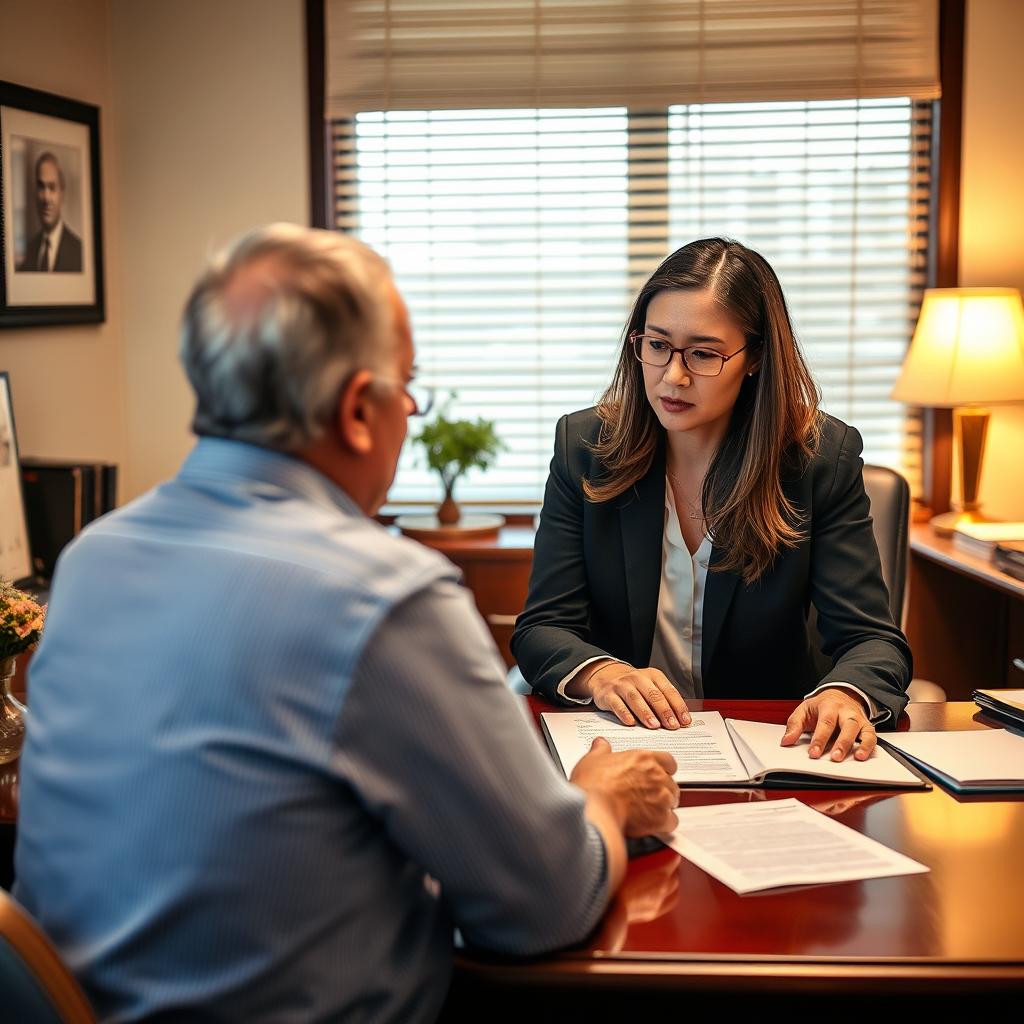
Will Lawyer Niagara County
You need a Will Lawyer Niagara County to draft a legally binding last will and testament under New York law. Law Offices Of SRIS, P.C.—Advocacy Without Borders. provides this essential service. Our Niagara County Location focuses on creating clear, enforceable documents that reflect your exact wishes. We ensure your estate plan meets all New York statutory requirements. (Confirmed by SRIS, P.C.)
Statutory Definition of a Valid Will in New York
New York Estates, Powers and Trusts Law (EPTL) § 3-2.1 governs the formal execution of a will. A will is a written instrument that directs the disposition of a person’s property upon death. The statute requires specific formalities for the document to be valid and admitted to probate. Failure to comply with these formalities can result in the will being contested or declared invalid. This can force your estate into intestacy, where state law, not your wishes, controls distribution.
The core requirements under EPTL § 3-2.1 are non-negotiable. The testator, the person making the will, must be at least 18 years old and of sound mind. The will must be in writing. It must be signed by the testator at the physical end of the document. The signature must be witnessed by at least two individuals. These witnesses must both be present when the testator signs or acknowledges the signature. The witnesses must then sign their names and provide their addresses within a thirty-day period of each other’s attestation. A will lawyer Niagara County ensures every step of this process is followed precisely.
Holographic wills are generally not valid in New York State.
New York does not recognize holographic, or handwritten, wills unless made by members of the armed forces during active service. A document written entirely in your own hand, even if signed, will likely be rejected by the Niagara County Surrogate’s Court. This strict adherence to formal witnessed documents prevents fraud and clarifies intent. Relying on an informal document creates immense risk for your estate.
A nuncupative will is only valid under extreme, limited circumstances.
Oral wills, known as nuncupative wills, have extremely narrow validity in New York. They may only be made by a member of the armed forces during a war or armed conflict. The person must also be in actual military or naval service. Even then, specific witnessing requirements apply. For virtually all Niagara County residents, an oral declaration of testamentary intent holds no legal weight.
The “sound mind” requirement is a critical legal threshold.
Being of “sound mind” means you understand the nature of making a will. You must know the extent and value of your property. You must also comprehend who your natural beneficiaries are, such as a spouse or children. A will lawyer Niagara County can help document your capacity if concerns about a future challenge exist. This is especially important for elderly clients or those with health issues.
Self-proving affidavits simplify the probate process significantly.
A self-proving affidavit is a notarized statement attached to the will. The testator and witnesses sign it before a notary public at the time of execution. This affidavit allows the will to be admitted to probate without later needing to locate and testify the witnesses. It is a standard best practice included by a competent will lawyer Niagara County. It saves time and expense for your beneficiaries during an already difficult period. Learn more about Virginia legal services.
The Insider Procedural Edge for Niagara County Probate
Probate for a Niagara County resident begins at the Niagara County Surrogate’s Court located at 175 Hawley Street, Lockport, NY 14094. This court has exclusive jurisdiction over the probate of wills and the administration of estates. The process starts when the nominated executor files the original will and a petition for probate. The court then issues citations to all necessary parties, including heirs and beneficiaries. A hearing is scheduled where witnesses may testify to the will’s validity. The court will issue letters testamentary to the executor upon approval.
Filing fees are required to initiate the probate proceeding. These fees are based on the size of the estate’s gross assets. Procedural specifics for Niagara County are reviewed during a Consultation by appointment at our Niagara County Location. The court’s clerks can provide basic forms but cannot offer legal advice. Having an attorney familiar with the local judges and procedures is a distinct advantage. It ensures your petition is complete and avoids unnecessary delays.
The probate timeline can vary based on the estate’s complexity.
A simple, uncontested probate in Niagara County may take several months to complete. An estate with complex assets or a contested will can take a year or more. The initial court review and issuance of citations takes time. Gathering and valuing all estate assets is a required step. All valid creditor claims must be addressed before final distribution. An experienced attorney manages this timeline efficiently.
Filing fees are calculated on a sliding scale tied to estate value.
The New York Surrogate’s Court Procedure Act sets mandatory filing fees. For an estate valued under $10,000, the fee is a nominal amount. Estates valued over $500,000 incur a fee of $1,250. The exact fee must be paid at the time the probate petition is filed with the Niagara County Surrogate’s Court. These fees are separate from any legal fees for attorney representation.
An executor’s personal liability makes legal guidance essential.
The court-appointed executor has a fiduciary duty to the estate and its beneficiaries. They must manage assets prudently, pay valid debts, and distribute property correctly. Mistakes can lead to personal liability for the executor. A will lawyer Niagara County guides the executor through each duty. This protects the executor and ensures the estate is settled properly. Learn more about criminal defense representation.
Penalties of an Invalid Will & Defense Strategies
The most common penalty for an invalid will is the entire estate passing under New York’s intestacy laws. This statutory distribution scheme may completely contradict your expressed wishes. Your spouse may receive less than intended. Your children may be forced to share equally against your plans. Non-relatives or charities you named receive nothing. The court appoints an administrator, who may not be the person you would have chosen as executor.
| Offense / Issue | Penalty / Consequence | Notes |
|---|---|---|
| Intestate Succession | Assets distributed per NY EPTL § 4-1.1 | Spouse and children split estate by formula; partners get nothing. |
| Will Contest Litigation | High legal costs, estate frozen for years | Heirs can challenge for lack of capacity, undue influence, or fraud. |
| Executor Disqualification | Court appoints a stranger as Administrator | Your chosen person loses authority to manage your affairs. |
| Increased Tax Burden | Loss of optimal tax planning strategies | Proper will drafting can minimize estate tax exposure. |
| Family Discord | Permanent damage to family relationships | Unclear wishes or an invalid document fuel conflict among survivors. |
[Insider Insight] Niagara County Surrogate’s Court judges expect strict compliance with EPTL formalities. Local counsel know that petitions with even minor technical flaws face closer scrutiny. Pro se documents often get delayed for corrections. Having an attorney draft and oversee execution creates a presumption of validity. This deters costly will contests from disgruntled heirs.
A will contest can drain an estate’s assets through litigation costs.
Heirs-at-law who would benefit from intestacy may contest a valid will. Common grounds include alleged lack of testamentary capacity or undue influence. The litigation process involves discovery, depositions, and a trial. Estate assets are used to pay for both the executor’s defense and the challenger’s costs if they win. A well-drafted will from a will lawyer Niagara County includes evidence of capacity to deter such challenges.
Proper execution is the strongest defense against a will contest.
The best defense is a flawless execution ceremony supervised by your attorney. Your attorney serves as a disinterested witness to your capacity and intent. They ensure the witnesses are competent and not named as beneficiaries. They secure a self-proving affidavit. This creates a powerful, contemporaneous record that the will reflects your free and informed choice.
Why Hire SRIS, P.C. for Your Niagara County Will
Our lead attorney for estate matters in Western New York has over fifteen years of focused estate planning experience. This attorney has drafted hundreds of wills and trusts for New York residents. They understand the specific nuances of New York’s EPTL and Surrogate’s Court procedures. This experience translates into efficient, effective document creation for you. Learn more about DUI defense services.
Lead Estate Planning Attorney
Years of Practice: 15+
Practice Focus: Wills, Trusts, Probate Administration
Bar Admissions: New York State Bar
Approach: Direct, detail-oriented drafting focused on client intent and legal durability.
SRIS, P.C. provides Advocacy Without Borders. Our Niagara County Location is dedicated to serving local residents. We do not use generic, template-based documents. Each will is crafted after a detailed review of your assets, family structure, and specific wishes. We explain the law in clear terms so you understand every decision. Our goal is to create a plan that works smoothly when it is needed most.
We coordinate your will with other essential estate planning documents. This includes durable powers of attorney and healthcare directives. A holistic plan ensures your affairs are managed during life and after death. You gain peace of mind knowing your legacy is protected. Contact our team to start the process.
Localized Niagara County Will FAQs
How much does a will cost with a lawyer in Niagara County?
The cost for a simple will in Niagara County varies based on complexity. A basic will for an individual typically starts at a standard flat fee. More complex estates with trusts require higher fees. Consultation by appointment provides a firm quote.
Can I write my own will in New York State?
You can write your own will, but it is not advisable. New York’s execution formalities are strict. A minor error can invalidate the entire document. A will lawyer Niagara County ensures it is legally binding. Learn more about our experienced legal team.
What happens if I die without a will in Niagara County?
You die “intestate.” New York intestacy laws (EPTL § 4-1.1) dictate asset distribution. Your spouse and children receive shares by a statutory formula. Unmarried partners receive nothing. The court appoints an administrator.
How long does probate take in Niagara County Surrogate’s Court?
An uncontested probate typically takes several months. The timeline depends on estate size and asset complexity. Contested wills or creditor issues can extend the process to over a year.
What is the difference between a will and a living trust?
A will takes effect only after death and must go through probate. A living trust manages assets during your life and avoids probate for trust-held assets. An attorney can advise which tool suits your situation.
Proximity, CTA & Disclaimer
Our Niagara County Location serves clients throughout the region, including Lockport, Niagara Falls, North Tonawanda, and Wheatfield. Procedural specifics for Niagara County are reviewed during a Consultation by appointment at our Location. Consultation by appointment. Call 855-696-9948. 24/7. We are ready to discuss your estate planning needs. Our team provides clear guidance on creating a will that meets New York law.
Past results do not predict future outcomes.