
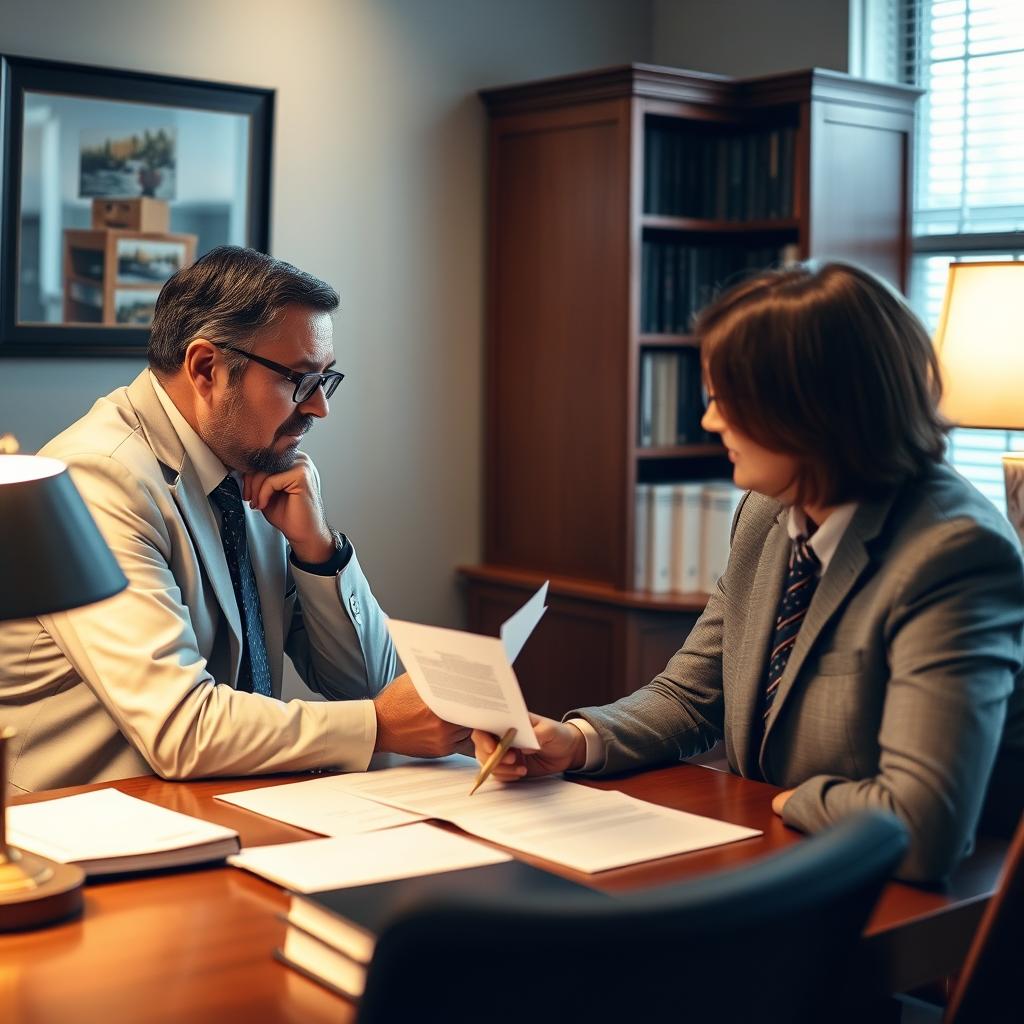
Will Lawyer Westchester County
You need a Will Lawyer Westchester County to draft a valid last will and testament. Law Offices Of SRIS, P.C. —Advocacy Without Borders. provides this essential service. A will directs asset distribution and names guardians for minor children. Without one, New York intestacy laws control your estate. This process can be lengthy and costly for your heirs. (Confirmed by SRIS, P.C.)
Statutory Definition of a Valid Will in New York
New York Estates, Powers and Trusts Law (EPTL) § 3-2.1 defines a valid will. The statute requires specific formalities for execution. A will must be in writing and signed by the testator. At least two competent witnesses must also sign the document. The witnesses must attest the testator signed in their presence. They must also attest the testator declared it as their will. Holographic wills written entirely in the testator’s handwriting are not valid in New York. Nuncupative or oral wills are also generally invalid. Certain exceptions exist for members of the armed forces. The formal requirements protect against fraud and undue influence. A Will Lawyer Westchester County ensures strict compliance with EPTL § 3-2.1.
EPTL § 3-2.1 — Formal Requirements for Wills — Invalidation for Non-Compliance. The statute mandates a written instrument signed by the testator. The signature must be at the end of the will. Two attesting witnesses are required for validity. Witnesses must sign within a thirty-day period of each other. The testator must declare the instrument as their will to the witnesses. The witnesses must sign in the testator’s presence and in each other’s presence. Failure to meet any formal requirement can void the entire will. This leads to an intestate administration of the estate.
What are the witness requirements for a New York will?
You need two competent disinterested witnesses over eighteen years old. A witness should not be a beneficiary named in the will. A bequest to an attesting witness is generally void under EPTL § 3-3.2. The witness must see the testator sign the document. The witness must understand they are attesting a will. Both witnesses must be present together during the signing ceremony. Procedural specifics for Westchester County are reviewed during a Consultation by appointment at our Westchester County Location.
Can I write my own will without a lawyer?
You can write your own will but it carries significant risk. DIY wills often fail to meet New York’s strict formalities. Missing a single statutory element invalidates the entire document. Ambiguous language can lead to costly will contests and litigation. A Will Lawyer Westchester County drafts precise language that reflects your intent. They oversee the proper execution ceremony to prevent future challenges.
What assets are controlled by a last will and testament?
A will controls probate assets held solely in your name. This includes real estate, bank accounts, and personal property. It does not control assets with designated beneficiaries. Jointly held property, life insurance, and retirement accounts typically bypass probate. A will names an executor to manage the probate process. It also allows you to appoint guardians for minor children. An affordable will lawyer Westchester County can review all your assets. Learn more about Virginia legal services.
The Insider Procedural Edge in Westchester County Surrogate’s Court
The Westchester County Surrogate’s Court is located at 111 Dr. Martin Luther King Jr. Blvd, White Plains, NY 10601. This court has exclusive jurisdiction over probate and estate administration. The probate process begins with filing a petition and the original will. Notice must be given to all necessary parties under SCPA § 1403. This includes heirs, beneficiaries, and potential creditors. Filing fees are based on the size of the estate’s probate assets. The court examines the will’s validity and the executor’s qualifications. A hearing may be scheduled if any objections are filed. The court clerk’s Location can provide specific forms and fee schedules. Procedural facts for Westchester County are case-specific. A local attorney understands the court’s specific filing requirements and timelines.
How long does probate take in Westchester County?
Uncontested probate typically takes eight to twelve months to complete. The timeline depends on court calendar backlogs and estate complexity. Creditors have a seven-month period to present claims against the estate. The executor must file an inventory and accountings with the court. Final distribution cannot occur until the court issues a decree. Contested proceedings or will contests can extend the timeline for years.
What is the role of the executor named in a will?
The executor is the personal representative you appoint in your will. Their primary duty is to carry out the terms of your will. They must collect assets, pay valid debts, and distribute property. The executor must act in the best interest of the estate and its beneficiaries. They are held to a fiduciary standard of care under New York law. The Surrogate’s Court oversees the executor’s actions and can remove them for cause. Choosing a capable executor is a critical decision.
Penalties of Dying Without a Will and Defense Strategies
Dying without a will subjects your estate to New York’s intestacy laws. EPTL § 4-1.1 dictates a rigid order of inheritance. Your spouse and children receive priority under the statutory formula. If you have no spouse or children, your parents inherit everything. More distant relatives may inherit if no immediate family exists. Your unmarried partner or close friends receive nothing under the law. The court appoints an administrator, who may not be your preferred choice. Guardians for minor children are appointed by a Family Court judge. This process often creates family conflict and unnecessary expense. Learn more about criminal defense representation.
| Issue | Consequence | Notes |
|---|---|---|
| Intestate Distribution | Assets distributed by rigid state formula | Spouse receives first $50,000 plus 1/2 of balance; children split remainder. |
| Executor Appointment | Court appoints an administrator | Usually a spouse or adult child, but requires bonding. |
| Minor Children Guardianship | Family Court decides guardians | May not align with your personal wishes for care. |
| Estate Administration Costs | Potentially higher fees and longer timeline | Additional court supervision and bonding costs increase expenses. |
| Family Disputes | Increased likelihood of conflict among heirs | Lack of clear instructions can lead to litigation. |
[Insider Insight] Westchester County Surrogate’s Court judges expect strict adherence to procedural rules. Petitions with errors or incomplete documentation face immediate rejection. The court calendar is often congested, causing delays. Having an attorney file correctly the first time avoids unnecessary setbacks. Local counsel knows the preferences of individual court personnel. This knowledge simplifies the probate process for your beneficiaries.
How can a will be contested in Westchester County?
A will can be contested on grounds of lack of capacity or undue influence. Fraud, forgery, or improper execution are also valid grounds. An interested party must file objections with the Surrogate’s Court. The objectant has the burden of proving their claims. The court will hold a hearing to take testimony and evidence. A well-drafted will prepared by a lawyer minimizes contest risk. Clear language and a proper execution ceremony are strong defenses.
What is the cost of not having a will?
The cost includes court fees, bonding premiums, and potential litigation expenses. Intestate administration often requires a bond for the appointed administrator. Bond premiums are an ongoing cost paid from estate assets. Family disputes over asset distribution can lead to costly will contests. These legal fees directly reduce the inheritance for your loved ones. The emotional cost of family conflict is also significant.
Why Hire SRIS, P.C. for Your Will in Westchester County
Our attorneys bring direct experience with Westchester County Surrogate’s Court procedures. We draft wills that withstand legal scrutiny and reflect client intent. Our team understands the nuances of New York estate law. We ensure every document meets the strict formalities of EPTL § 3-2.1. We guide clients through the entire estate planning process. This includes advising on ancillary documents like powers of attorney and healthcare proxies. Our goal is to provide clarity and peace of mind for you and your family. Learn more about DUI defense services.
Attorney Background: Our Westchester County team includes attorneys licensed in New York. They focus on estate planning and probate matters. They regularly appear in the Westchester County Surrogate’s Court. They handle document drafting, execution, and probate administration. Their practice is dedicated to preventing future legal problems for clients.
SRIS, P.C. has a Location serving Westchester County residents. We offer a practical approach to estate planning. We explain legal concepts in clear, understandable terms. We take the time to understand your family dynamics and asset structure. This allows us to create a plan specific to your unique situation. We are accessible to answer your questions throughout the process. Our firm is built on providing reliable legal counsel.
Localized FAQs for Westchester County Will Planning
Do I need a will if I have a small estate?
Yes. Estate size does not change the need for clear instructions. A will directs who receives your personal possessions and names an executor. It also appoints guardians for minor children, which is crucial regardless of wealth.
How often should I update my will?
Review your will every three to five years or after a major life event. Marriage, divorce, birth of a child, or significant asset change are key triggers. Moving to a new state like New York also requires a review. Learn more about our experienced legal team.
What is the difference between a will and a living trust?
A will takes effect only after death and must go through probate. A living trust manages assets during your life and avoids probate. Trusts are more complex and costly to establish than a basic will.
Can I disinherit a child in my New York will?
Yes, but you must explicitly state your intention in the will. New York law does not require you to leave anything to adult children. Simply omitting a child’s name may not be sufficient to disinherit them.
Where are wills filed in Westchester County?
The original will is filed with the Westchester County Surrogate’s Court upon death. It is submitted as part of the petition for probate. The court retains the original and issues certified copies to the executor.
Proximity, CTA & Disclaimer
Our firm serves clients throughout Westchester County, New York. The Westchester County Surrogate’s Court is centrally located in White Plains. Many clients visit our Location for will preparation and estate planning consultations. We focus on providing clear legal advice for New York residents. Consultation by appointment. Call 24/7. Our team is ready to discuss your estate planning needs. We help you create a legally enforceable last will and testament.
Past results do not predict future outcomes.