
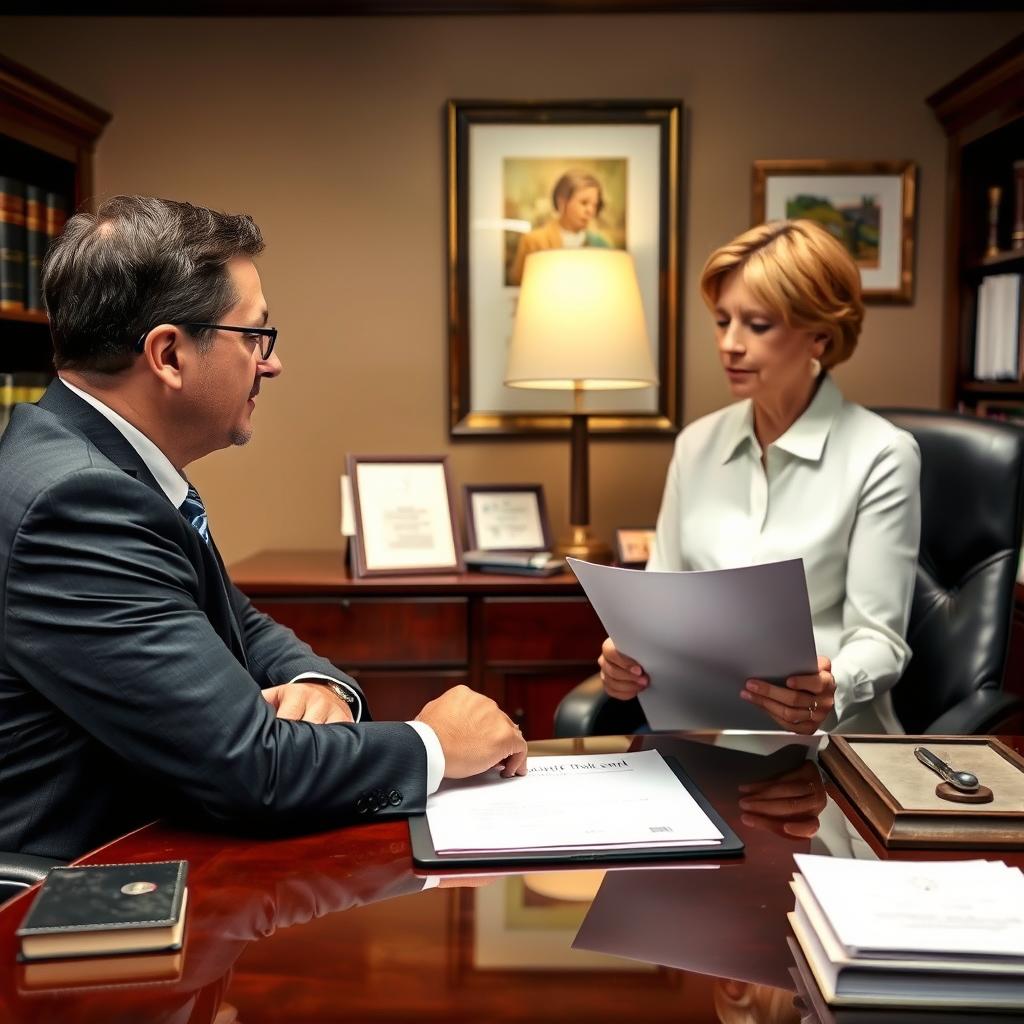
Wills and Trusts Lawyer Colonial Heights
You need a Wills and Trusts Lawyer Colonial Heights to create legally binding documents that protect your assets and family. Law Offices Of SRIS, P.C.—Advocacy Without Borders. provides direct legal counsel for estate planning in Colonial Heights. We draft precise wills, trusts, and powers of attorney under Virginia law. Our Colonial Heights Location handles probate and trust administration matters locally. (Confirmed by SRIS, P.C.)
Statutory Definition of Wills and Trusts in Virginia
Virginia law defines wills and trusts under Title 64.2, governing the administration of estates and trusts. A will is a written document executed according to Va. Code § 64.2-403, directing the disposition of property upon death. A trust is a fiduciary relationship under Va. Code § 64.2-700, where a trustee holds property for a beneficiary’s benefit. Failure to adhere to statutory formalities can invalidate these documents, leading to intestate succession. Proper execution requires specific witness and notary rules under Virginia law.
Virginia’s probate code is strict and unforgiving. A missing signature or improper witness can void your entire will. The Colonial Heights Circuit Court will enforce the exact letter of the law. Your estate plan must comply with every statutory requirement. We ensure your documents meet all Virginia legal standards. This prevents costly challenges and family disputes later. SRIS, P.C. focuses on precise, enforceable document drafting.
What are the core legal requirements for a valid Virginia will?
A valid Virginia will must be in writing, signed by the testator, and witnessed by two competent individuals. The witnesses must sign in the testator’s presence and in each other’s presence under Va. Code § 64.2-403. The testator must be at least 18 years old and of sound mind. Holographic wills written entirely in the testator’s handwriting have different rules. Notarization creates a self-proving will, simplifying probate. Colonial Heights courts demand strict compliance with these formalities.
What is the difference between a revocable living trust and a will?
A revocable living trust manages assets during your life and avoids probate, while a will only takes effect after death. You control the trust assets as trustee while alive. A will must go through the Colonial Heights Circuit Court probate process. Trusts offer privacy, as they are not public record like wills. Trusts can also provide for management if you become incapacitated. Both tools are part of a complete estate plan. A Colonial Heights lawyer can advise on which is right for you.
Who can challenge a will or trust in Colonial Heights?
An interested party, such as a spouse, child, or creditor, can challenge a will or trust in Colonial Heights Circuit Court. Grounds include lack of testamentary capacity, undue influence, fraud, or improper execution. Challenges must be filed within specific statutory time limits after probate. The burden of proof falls on the contestant. Defending against a challenge requires detailed evidence of proper creation. SRIS, P.C. builds strong documentation to deter these disputes.
The Insider Procedural Edge for Colonial Heights Estate Matters
The Colonial Heights Circuit Court at 401 Temple Avenue, Colonial Heights, VA 23834 handles all probate and trust oversight. This court manages the formal probate of wills and appoints estate administrators. The clerk’s Location requires specific petition forms and filing fees to open an estate. Procedural timelines are set by Virginia Code and local court rules. Missing a deadline can delay distributions and incur penalties. Knowing the local clerk’s preferences is a distinct advantage.
Filing fees vary based on the estate’s value and the type of petition filed. The local procedural fact is that this court expects complete, accurate paperwork on first submission. Incomplete filings cause significant delays in appointing an executor or trustee. The timeline from filing to closing an estate depends on creditor claims and asset complexity. SRIS, P.C. has direct experience filing in this specific courthouse. We handle the local requirements efficiently for our clients.
What is the typical timeline for probating a will in Colonial Heights?
Formal probate in Colonial Heights can take nine months to over a year, depending on estate complexity. The court must appoint a qualified executor, who then must notify heirs and creditors. Creditors have specific periods under Virginia law to present claims. The executor must inventory assets, pay debts, and file accountings. Final distribution requires court approval. An experienced wills and trusts lawyer Colonial Heights can help simplify this process. SRIS, P.C. works to expedite matters where possible.
What are the court costs for opening a probate estate?
Court costs include filing fees, publication costs for creditor notices, and possibly bond premiums. The exact filing fee is based on the estate’s gross value as reported to the court. Additional fees apply for certified copies and other court services. These costs are typically paid from the estate’s assets before distribution to heirs. A precise estimate requires reviewing the estate’s specific details. SRIS, P.C. reviews all potential costs with clients upfront.
Penalties & Defense Strategies for Estate Planning Failures
The most common penalty for poor estate planning is the loss of control, leading to intestate succession and family conflict. Without valid documents, Virginia’s default laws dictate who inherits your property. This can disinherit partners, friends, or charities you intended to benefit. The court appoints an administrator, not your chosen executor. The process becomes public, costly, and time-consuming. Family disputes often erupt, requiring litigation. A Colonial Heights estate plan documents lawyer prevents these outcomes.
| Issue | Consequence | Notes |
|---|---|---|
| Dying Without a Will (Intestacy) | Assets distributed per Va. Code § 64.2-200. | Spouse may not receive all assets; children receive statutory shares. |
| Invalid Will Due to Improper Execution | Will is void; estate treated as intestate. | Strict witness and signature rules under Va. Code § 64.2-403. |
| Unfunded Revocable Trust | Trust fails; assets go through probate. | Assets must be formally titled in the trust’s name. |
| No Financial Power of Attorney | Guardianship required if incapacitated. | Court-supervised process under Va. Code § 64.2-2000. |
| Tax Planning Omissions | Increased estate tax liability for heirs. | Virginia has its own estate tax threshold. |
[Insider Insight] Colonial Heights Circuit Court judges and commissioners expect careful documentation. They scrutinize wills for signs of undue influence, especially with older testators. Proactive planning with clear medical capacity notes is a strong defense. We coordinate with treating physicians when necessary to establish testamentary capacity. This creates a strong record that withstands post-death challenges.
How does Virginia law protect spouses from being disinherited?
Virginia’s elective share law under Va. Code § 64.2-308 allows a surviving spouse to claim a portion of the augmented estate. The share percentage increases with the length of the marriage. This right exists even if the will attempts to disinherit the spouse. The spouse must formally elect this share within tight deadlines. Proper estate planning with a lawyer can address this right explicitly. SRIS, P.C. ensures plans account for statutory spousal protections.
What are the consequences of not updating beneficiary designations?
Outdated beneficiary designations on retirement accounts or life insurance override your will. The asset passes directly to the named beneficiary, regardless of your will’s instructions. This can accidentally disinherit current family members. It can also create unintended tax consequences for the beneficiary. Regularly reviewing all beneficiary forms is a critical part of estate maintenance. A will drafting and trust creation lawyer Colonial Heights can perform this review.
Why Hire SRIS, P.C. for Your Colonial Heights Estate Plan
Our lead attorney for estate matters is a seasoned practitioner with deep knowledge of Virginia’s probate code. This attorney has drafted hundreds of wills and trusts for Colonial Heights residents. We understand the local court’s expectations for document formalities. Our firm approach is direct, practical, and focused on your specific goals. We don’t use templates; we craft custom plans. You get clear advice on the tools that work for your situation.
Attorney Background: Our primary estate planning attorney has over 15 years of experience in Virginia fiduciary law. This attorney is versed in the intricacies of Va. Code Title 64.2. They have successfully guided numerous Colonial Heights families through probate and trust administration. Their practice is dedicated to creating clear, enforceable estate documents. They are supported by a team at our Colonial Heights Location.
SRIS, P.C. has a proven record of preparing estate plans that stand up in court. We focus on preventing disputes before they start. Our process involves detailed consultations to identify all your assets and family dynamics. We then draft documents that reflect your precise wishes under Virginia law. We also advise on ancillary issues like digital assets and pet trusts. Our Colonial Heights Location is your local resource for estate planning and Virginia family law attorneys.
Localized FAQs for Colonial Heights Estate Planning
Where do I file a will for probate in Colonial Heights?
You file the original will and a petition with the Colonial Heights Circuit Court clerk. The court is located at 401 Temple Avenue. The process formally appoints an executor and admits the will to probate.
Do I need a lawyer to create a will in Virginia?
Virginia law does not require a lawyer to create a will. However, legal errors in execution can invalidate the document. A lawyer ensures it complies with all formalities and addresses complex issues.
What is the difference between an executor and a trustee?
An executor administers a will and estate through the probate court. A trustee manages assets held in a trust according to the trust agreement, often without court supervision.
Can I write my own living trust?
You can draft your own living trust, but it risks being unfunded or improperly structured. An error can cause the trust to fail, sending assets through probate. Legal guidance ensures it works.
How often should I update my estate plan?
Review your estate plan every three to five years or after major life events. These include marriage, divorce, birth of a child, significant asset change, or moving to a new state like Virginia.
Proximity, CTA & Disclaimer
Our Colonial Heights Location serves clients throughout the city and surrounding areas. We are centrally located to provide accessible legal support for your estate planning needs. Consultation by appointment. Call 24/7. For other legal challenges, our team also provides criminal defense representation. You can learn more about our experienced legal team online. For matters related to driving offenses, we have resources on DUI defense in Virginia.
Law Offices Of SRIS, P.C.
—Advocacy Without Borders.
Phone: [PHONE NUMBER FROM GMB]
Consultation by appointment.
Past results do not predict future outcomes.